
June 15, 2026
Best Sunscreens for Melasma & Hyperpigmentation for Oily / Acne-Prone Skin
If you're oily or breakout-prone, you already know the struggle: most "protective" SPFs either turn your face into a grease slick or clog you up by lunch. These three don't. They're matte, oil-free, and won't make your dark spots or your pores worse.
EltaMD UV Clear Tinted Broad-Spectrum SPF 46
Best For: Acne-prone skin fighting breakouts and the dark marks they leave behind.
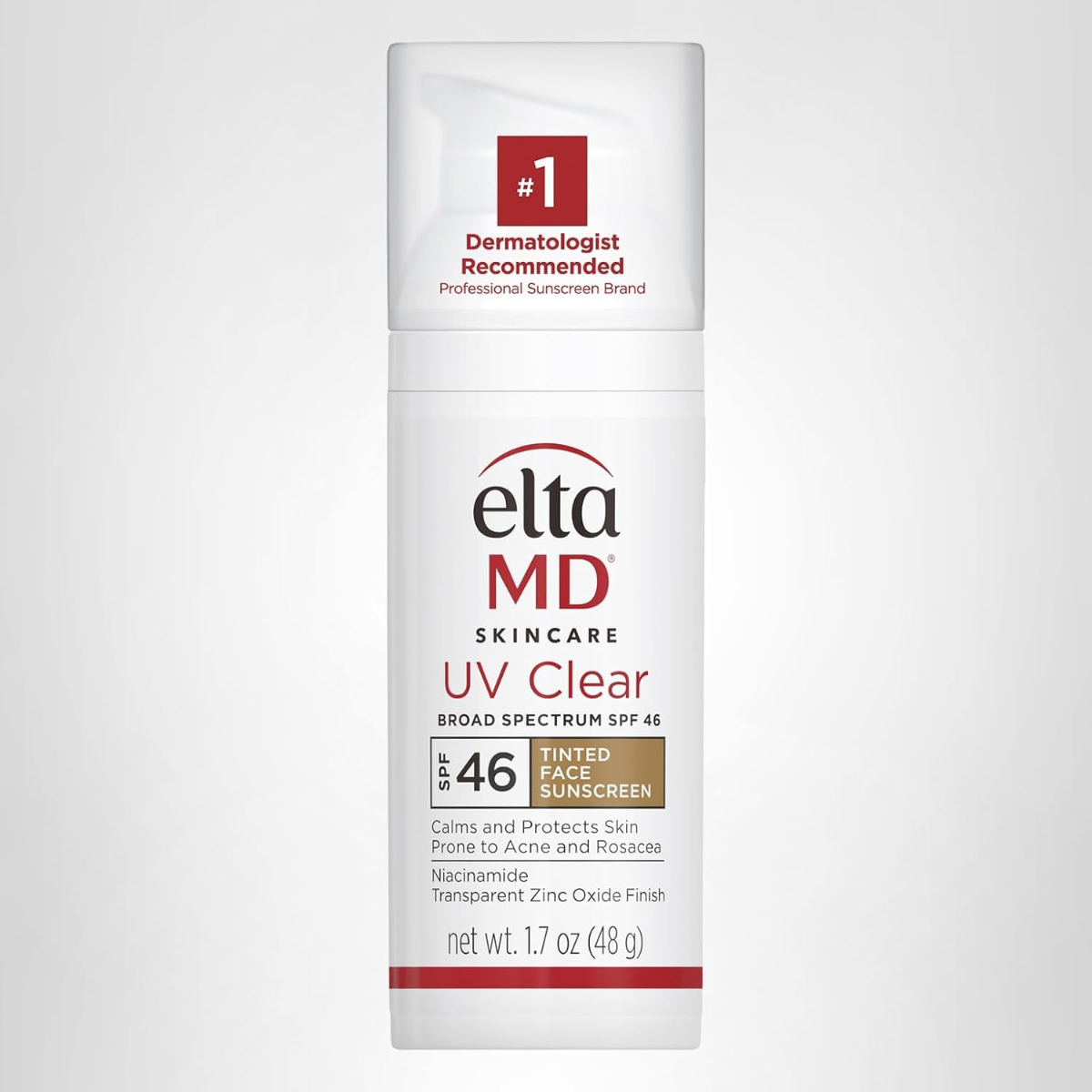
$47.00
There's a reason every derm on your feed won't shut up about this one. The 5% niacinamide is genuinely working to fade your discoloration and calm angry skin while you wear it, and the tint melts in so smoothly you'll forget you have it on. If your skin breaks out and holds onto every mark, this is your starting line.
Fur and Silk Editor Review ★★★★★
We kept coming back to that 5% niacinamide, because it's a real, clinically meaningful dose for fading post-acne marks, not a label flex. It sinks into a soft finish that sits happily under foundation and stays kind to reactive skin. Best for the buyer dealing with active breakouts and the discoloration they leave.
EltaMD UV Physical Tinted Broad-Spectrum SPF 41
Best For: Reactive, oily skin that wants a mineral-only safety net.
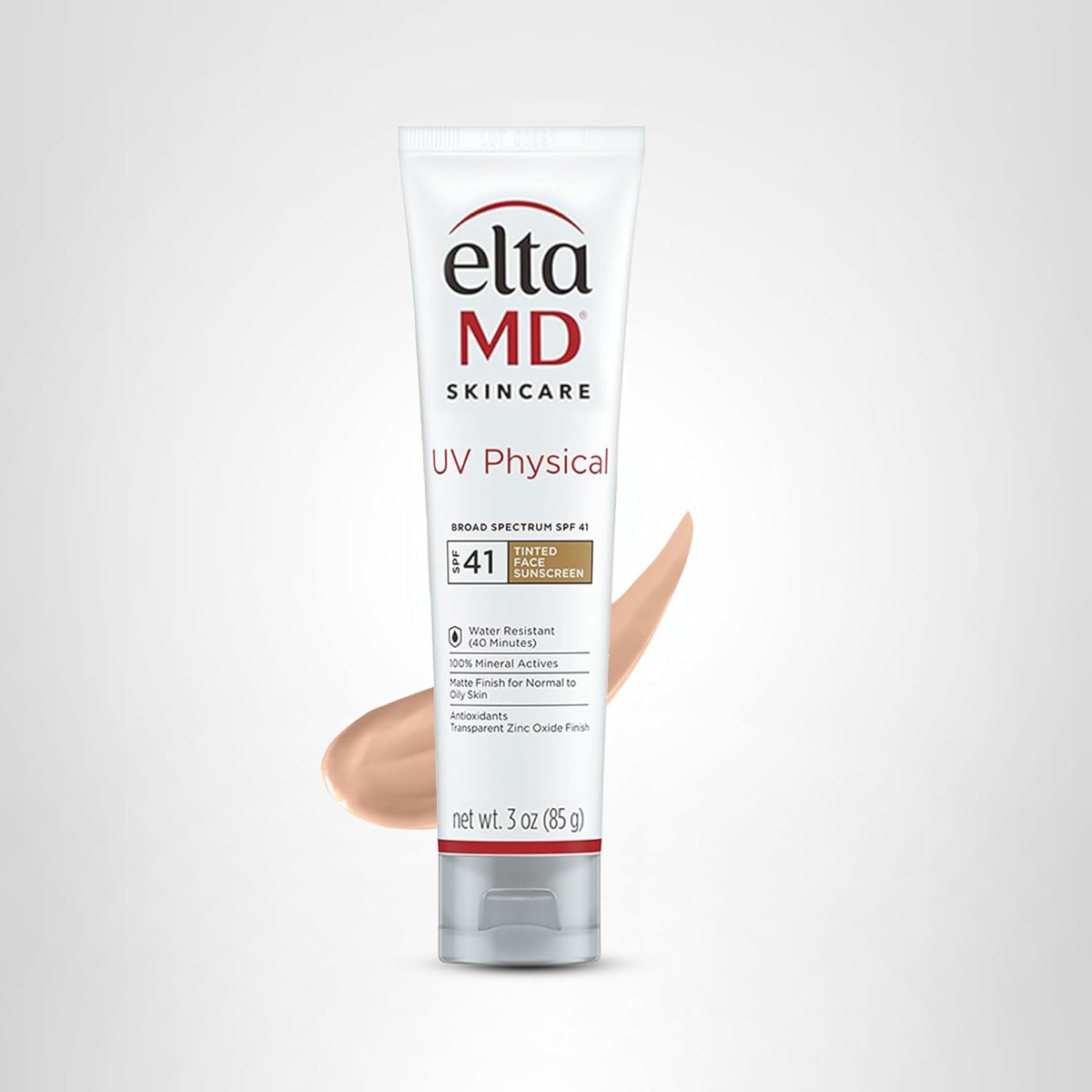
$48.00
When your skin reacts to everything, this is the one to reach for. It's 100% mineral, no compromise, with iron oxides for visible-light defense and a matte finish that genuinely holds. It's gentle enough for post-procedure skin, which tells you all you need to know about how calm it'll keep you.
If you’re exploring similar mineral-only options for everyday facial use, our Best Mineral Sunscreens for Face guide covers more top-performing formulas worth considering.
Fur and Silk Editor Review ★★★★½
The pure zinc-and-titanium build keeps irritation low and the matte finish stops oilier skin from going shiny by noon. The trade-off is a slightly lower SPF and a single tint shade, which is why it lands at 4.5 rather than a clean five. Best for reactive, oily skin that wants a mineral-only option.
The UV Mirror That Shows Future Sun Damage Before It Happens
Shop the UV Mirror
MDSolarSciences Mineral Crème SPF 50
Best For: Oily skin that wants a soft-focus matte finish with zero white cast.
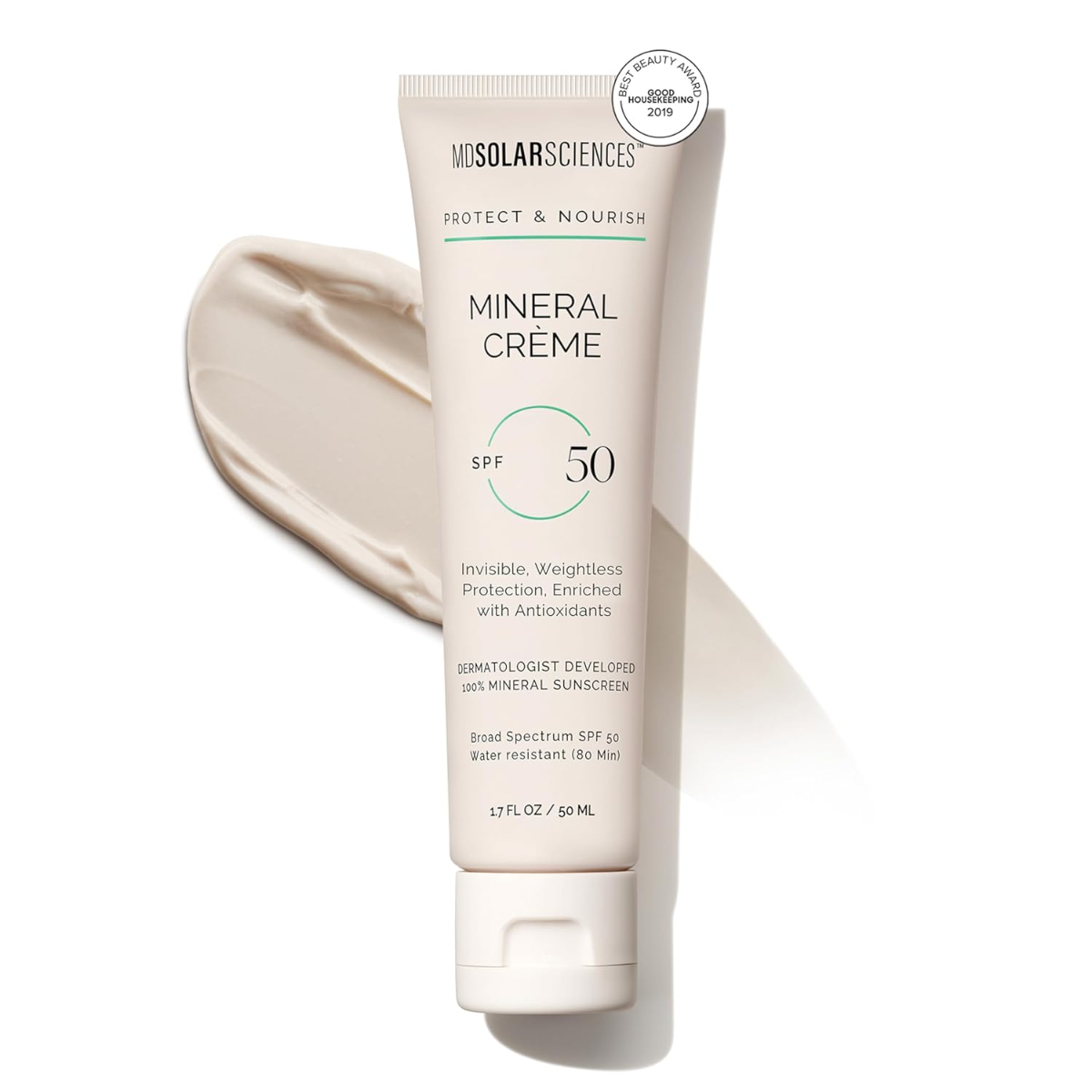
$33.00
This one's a quiet overachiever. It blurs your pores into a smooth matte finish (think soft-focus filter, but real), and there's no chalky white cast to fight. The vitamin C, green tea, and pomegranate are in there mopping up the free-radical damage that feeds dark spots, so you're protecting and treating in one go.
Fur and Silk Editor Review ★★★★½
The blurring matte finish is the hook, it smooths the look of your skin while the antioxidant trio goes after pigment-causing free radicals. Since it's untinted it leans on vitamin C and green tea rather than iron oxides, so pair it accordingly. Best for oily skin that wants a smoothing finish without the shine.
Best Sunscreens for Melasma & Hyperpigmentation for Dry / Mature Skin
If your skin runs dry or you're also keeping an eye on fine lines, you need an SPF that hydrates and treats, not one that sits on top emphasizing every crease. These three feed your skin while they protect it, and each brings anti-aging muscle on top of pigment defense.
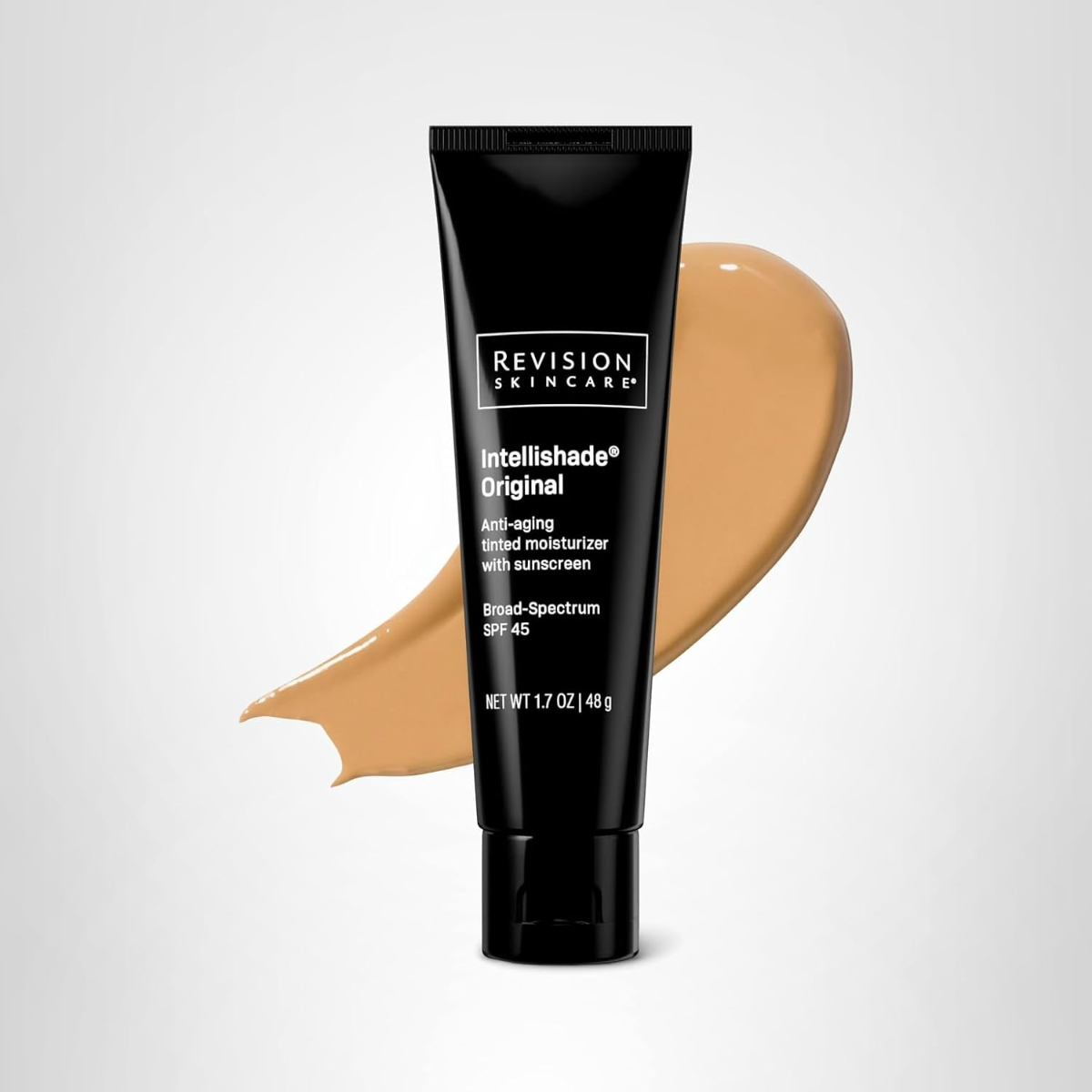
Revision Skincare Intellishade® Original SPF 45
Best For: Tackling melasma and fine lines in one multitasking step.
$89.00
If your mornings involve a moisturizer, a serum, a tinted base, and an SPF, this is about to delete half of that. The peptides and stable vitamin C brighten your pigmentation while you wear it, and the finish is pure lit-from-within glow, the "did you just get a facial?" kind. Yes it's an investment, but it's genuinely doing four jobs.
Fur and Silk Editor Review ★★★★★
The THD ascorbate is the form of vitamin C that actually stays stable in the tube, and paired with peptides and CoQ10 it delivers anti-aging payoff most tinted SPFs can only dream of. The glow reads luminous, never greasy, and holds under makeup. Best for treating melasma and fine lines together.
ISDIN Eryfotona Ageless Tinted Mineral Sunscreen SPF 50
Best For: Mature skin undoing years of accumulated sun damage.

$78.00
This is the one dermatologists quietly keep for themselves. It doesn't just shield you, it actively helps repair the sun damage already on your face, thanks to DNA Repairsomes. It feels like nothing going on, the tint flatters most tones without going orange, and if you've got spots from decades of sun, it's about to become your ride-or-die.
Fur and Silk Editor Review ★★★★★
The photolyase enzymes have real peer-reviewed research behind reversing UV-induced damage, something most sunscreens don't even try. It's shockingly weightless for a 10.7% zinc formula, and the peptides pile on the anti-aging. Best for the buyer in their 40s and beyond addressing years of sun history.
Rain or Shine Anti-Aging Face Sunscreen SPF 50
Best For: Dry, mature skin wanting an SPF that doubles as a hydrating treatment.

$110.99
Think of this as your moisturizer and your sunscreen deciding to become one. Hyaluronic acid keeps thirsty skin comfortable all day, while licorice root and vitamin E quietly work on evening your tone. It's fragrance-free, non-greasy, and comes as a four-pack, so you're stocked for the long haul.
Fur and Silk Editor Review ★★★★½
Licorice root and vitamin E give this genuine tone-evening and antioxidant credentials, while hyaluronic acid keeps dry skin happy from morning to night. It's untinted, so it relies on those actives rather than iron oxides for pigment support. Best for dry, mature skin that wants hydration and protection in one.
Best Sunscreens for Melasma & Hyperpigmentation for Sensitive / Reactive Skin
Here's something a lot of people miss: irritation itself can darken melasma. So if your skin flares at the smallest thing, the gentlest formula isn't just comfortable, it's actually part of your treatment. These three are fragrance-free and built to keep reactive skin calm. (This is also the category to look at if you're pregnant and want a mineral, fragrance-free option, though always run it by your doctor first.)
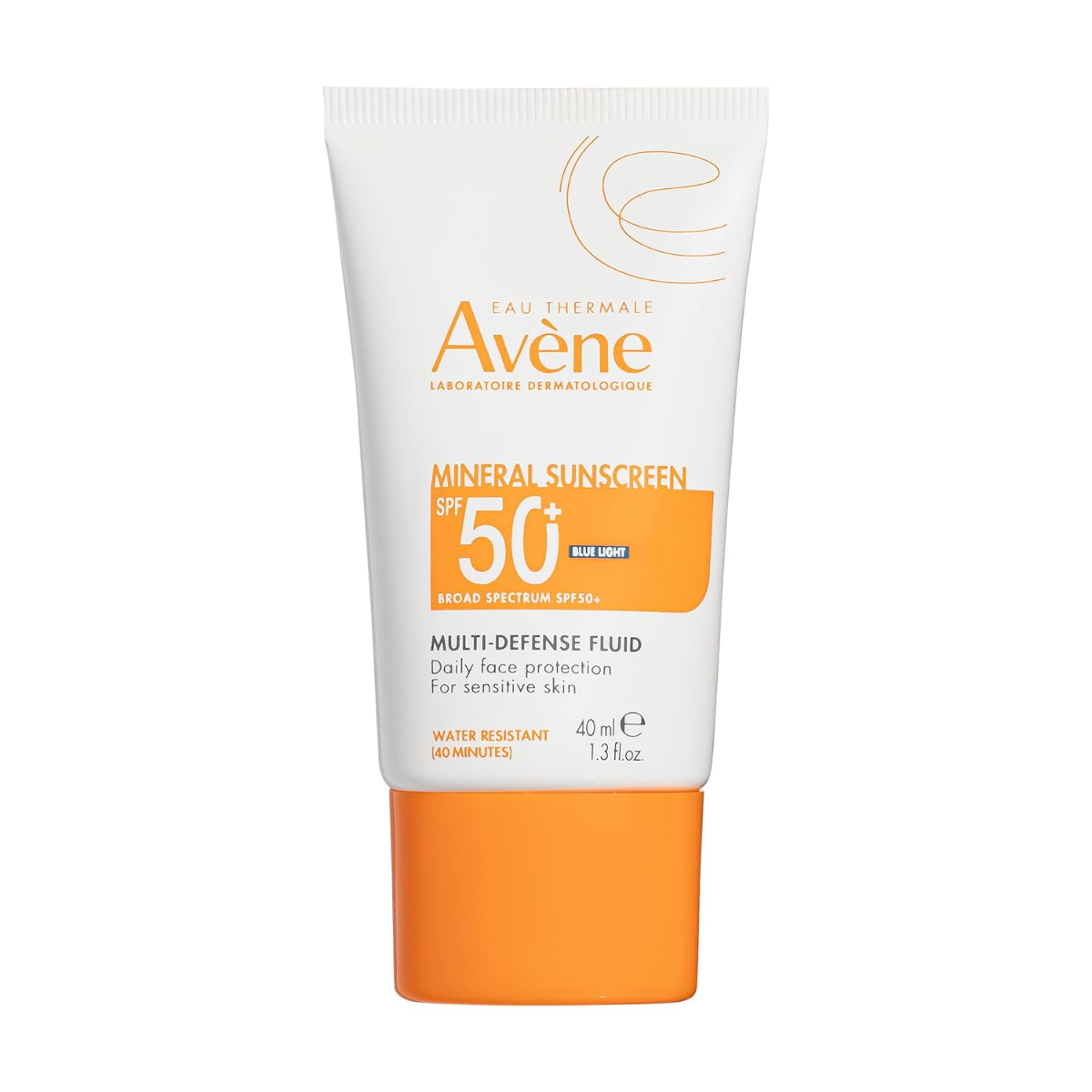
Avène Mineral Multi-Defense Fluid SPF 50
Best For: Sensitive, redness-prone skin that still wants blue-light defense.
$38.00
If your skin throws a tantrum at most sunscreens, this fluid is a relief. It's 100% mineral, fragrance-free, and carries the National Eczema Association's stamp, which is basically a green light for the easily-angered. It feels weightless, calms redness as it goes, and still fends off pollution and blue light.
Fur and Silk Editor Review ★★★★½
A genuinely gentle mineral fluid that calms redness while shielding against blue light and pollution, the eczema-association nod tells you how low the irritation risk is. It's untinted, so it leans on its mineral filters rather than iron oxides. Best for sensitive, redness-prone skin.
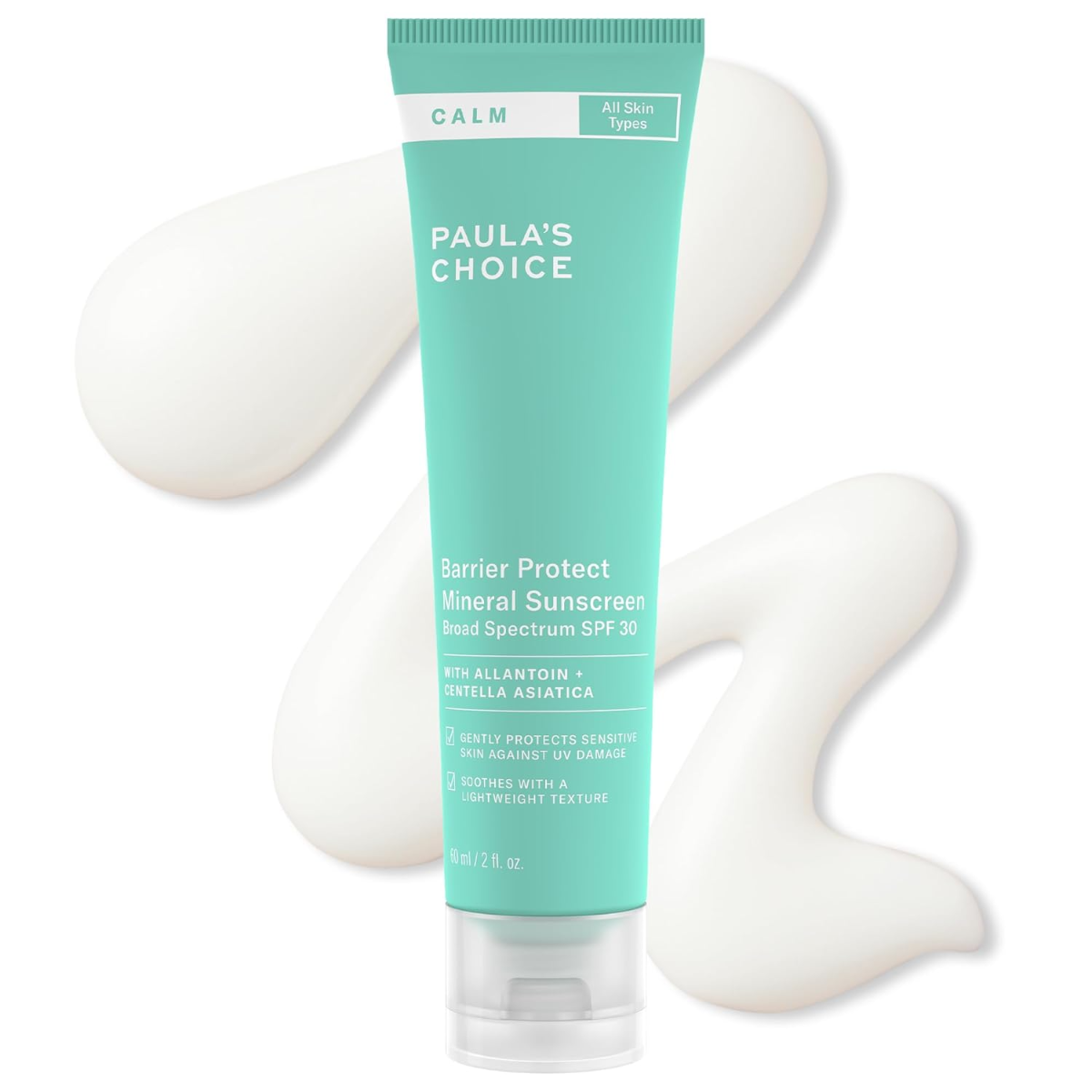
Paula's Choice CALM Barrier Protect Mineral SPF 30
Best For: Rosacea- and eczema-prone skin that reacts to almost everything.
$39.00
This is the softest landing on the whole list. Paula's Choice built it specifically for rosacea and eczema, so it pairs broad-spectrum protection with ingredients that actually shore up your barrier instead of stressing it. If "sensitive" undersells how reactive your skin is, start here.
Fur and Silk Editor Review ★★★★½
Purpose-built for the most reactive skin, it calms and reinforces your barrier while it protects, exactly what melasma-prone skin needs, since irritation can deepen spots. It's untinted and SPF 30, so layer it knowingly. Best for rosacea- or eczema-prone skin that reacts to everything.
La Roche-Posay Anthelios Mineral Tinted Sunscreen SPF 50
Best For: Reactive medium-to-deep skin that's never found a tint that matches.

$39.00
Finally, a tinted mineral that comes in shades that actually work, four of them, including deeper tones. The iron oxides give you real visible-light defense, the thermal spring water keeps things calm, and it disappears with no white cast. If shade-matching has been your nemesis, this is your answer.
Fur and Silk Editor Review ★★★★★
The expanded four-shade range finally closes the match-gap that's plagued tinted mineral SPFs for years, and the iron oxides deliver visible-light defense without that chalky cast. The thermal spring water keeps reactive skin calm. Best for a medium-to-deep complexion that's struggled to find a tinted SPF that matches.
Best Sunscreens for Melasma & Hyperpigmentation for Combination / Normal (All Skin Types)
Not sure where you land, or just want something that plays nice no matter what? These are the easy-wearing all-rounders, including our favorite untinted treatment SPF and the picks built for specific lifestyles like screen-heavy days.
Murad Environmental Shield City Skin Age Defense SPF 50
Best For: Screen-and-city life where blue light and pollution feed your dark spots.

$69.00
If you spend your days glued to screens and walking through city air and still can't figure out why your spots won't quit, this one gets it. It's 100% mineral with the highest PA++++ UVA rating, and the lutein inside is the same antioxidant that protects your eyes from blue light, now working on your skin. The peach tint fakes a full night's sleep, too.
Fur and Silk Editor Review ★★★★★
The lutein is the standout, an antioxidant with research behind neutralizing high-energy visible light, paired with the top-tier PA++++ UVA rating. The peach tint corrects sallowness without going chalky. Best for the buyer whose pigmentation flares during long indoor screen days.
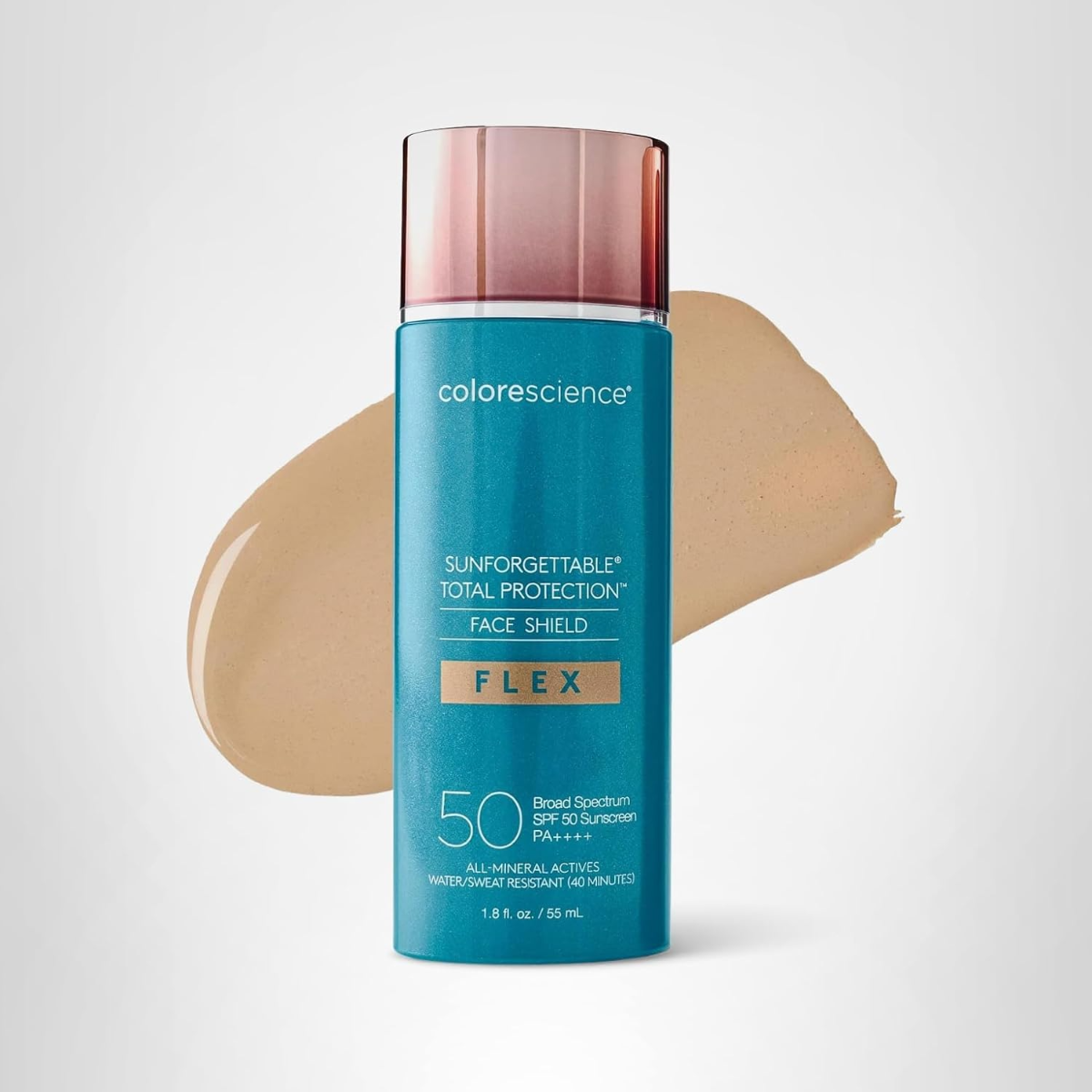
Colorescience Sunforgettable Total Protection Face Shield Flex SPF 50
Best For: Anyone who wants maximum visible-light cover plus a real shade match.
$58.00
Want the most visible-light protection money can buy? This is it. The EnviroScreen tech blocks UV, blue light, and pollution, and it comes in four tone-adapting shades from Fair to Deep. The coverage is buildable enough to skip foundation on low-key days, and the 2% niacinamide evens your tone in the background.
Fur and Silk Editor Review ★★★★★
The 12% zinc paired with iron oxides is a serious melasma defense system, and the buildable pigment lets you skip foundation on lighter days. The four shades span Fair to Deep. Best for stubborn hormonal melasma where visible-light protection is non-negotiable.
La Roche-Posay Mela B3 UV Daily Sunscreen SPF 30
Best For: Foundation-wearers who want an untinted SPF that actively fades spots.
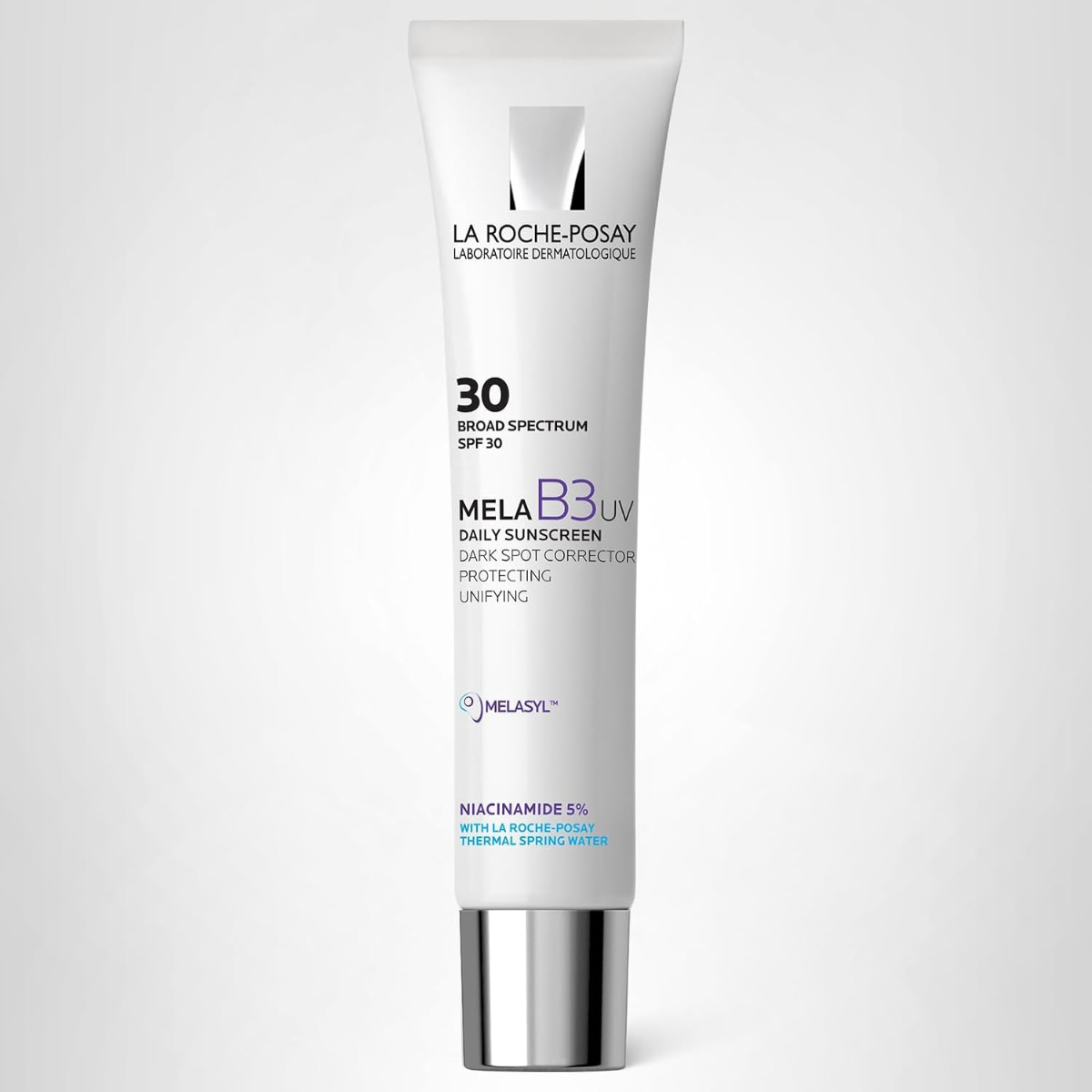
$34.97
This is the untinted pick we'd actually fight for. It's powered by Melasyl plus 5% niacinamide, meaning it's a sunscreen and a dark-spot corrector in the same tube, clinically shown to reduce discoloration. No white cast, works on every tone, and slips under makeup like it was made for it (because it kind of was).
Fur and Silk Editor Review ★★★★★
This is the rare untinted pick that earns its spot, the Melasyl-and-niacinamide pairing is a genuine dark-spot treatment, not just protection. It skips iron-oxide visible-light defense, but for foundation-wearers that's a fair trade. Best for the buyer who wants their SPF to actively fade spots.
Why Tinted Sunscreen Is Non-Negotiable for Melasma
Alright, let's break down the science real quick because understanding THIS is honestly going to change your melasma game:
The key ingredient here is iron oxide. Clinical studies have shown that sunscreens containing iron oxide significantly outperform regular SPF when it comes to preventing melasma relapses. One study found that patients using iron oxide-containing sunscreen had way better improvement in their melasma severity scores compared to those using standard UV-only protection.
How to Choose the Right Sunscreen for Your Hyperpigmentation
By Skin Type
Mature Skin + Melasma: Revision Intellishade Original — peptides and stable Vitamin C address pigmentation and fine lines simultaneously.
Oily/Acne-Prone + Melasma: Go for EltaMD UV Physical Tinted — the matte finish won't make you a greaseball, and the 100% mineral formula won't clog pores.
Dry/Mature + Sun Damage: ISDIN Eryfotona Ageless is your pick — the DNA repair tech addresses existing damage while the lightweight formula won't emphasize texture.
Sensitive + Reactive: EltaMD UV Clear Tinted — the niacinamide calms inflammation while protecting. Win-win.
Deeper Skin Tones: La Roche-Posay Anthelios in Medium-Deep or Deep, or Colorescience Face Shield Flex in Tan/Deep — finally, shades that actually work.
By Concern
Post-Acne Marks (PIH): EltaMD UV Clear Tinted — niacinamide speeds fading
Hormonal Melasma: Colorescience Face Shield Flex — maximum visible light blocking
Sun Spots/Photoaging: ISDIN Eryfotona Ageless — DNA repair technology
Blue Light / Screen-Induced Pigmentation: Murad City Skin Age Defense — lutein and PA++++ rating built for digital-age skin.
Sunscreen Application Tips for Melasma Management
Real talk — the best sunscreen in the world won't do squat if you're not applying it right. Here's the protocol dermatologists swear by:
The Two-Finger Rule: Apply two finger-lengths of sunscreen to your face and neck. Most people use way less than they should, which drastically reduces protection.
Twice Daily Minimum: For melasma, apply in the morning AND reapply at midday, even if you're indoors. If you can see daylight, you're getting exposed.
Layer Under Makeup: All of these formulas work beautifully under makeup. Wait 1-2 minutes after applying SPF before your primer/foundation.
Don't Skip Indoor Days: UV rays penetrate windows. Visible light from windows AND screens affects melasma. Wear your SPF even when you're just chilling at home near windows.
Frequently Asked Questions About Sunscreen for Melasma and Hyperpigmentation
Why do I need a special sunscreen for melasma?
Melasma is triggered by both UV light AND visible light (especially blue light). Regular sunscreens only block UV rays, leaving your skin vulnerable to visible light that can darken existing patches. Tinted mineral sunscreens with iron oxide block both UV and visible light, making them essential for melasma management.
What ingredients should I look for in a sunscreen for hyperpigmentation?
Look for: 1) Zinc oxide or titanium dioxide (mineral filters), 2) Iron oxide (blocks visible light and provides tint), 3) Niacinamide (reduces discoloration), 4) Antioxidants like vitamin E and C. Avoid fragrance and potential irritants that can worsen pigmentation.
Is tinted sunscreen better for melasma than regular sunscreen?
Yes, clinical studies show tinted sunscreens outperform non-tinted ones for melasma. The iron oxides in tinted formulas block visible light, which can penetrate deeper into skin than UV rays and trigger melanin production. Research found tinted sunscreens reduced melasma relapses significantly more than non-tinted versions. For a curated list of high-performing options that combine broad-spectrum SPF with effective visible-light protection, check out our Best Tinted Sunscreens guide.
How often should I reapply sunscreen if I have melasma?
For melasma, dermatologists recommend applying sunscreen at least twice daily — morning and midday — using two finger-lengths of product each time. Reapply every 2 hours during sun exposure, and even more frequently if sweating or swimming.
Can sunscreen alone treat hyperpigmentation?
Sunscreen alone can prevent hyperpigmentation from worsening and allow existing dark spots to fade naturally over time. However, for faster results, dermatologists recommend combining sunscreen with treatments like vitamin C, niacinamide, azelaic acid, or prescription options like hydroquinone or tranexamic acid.
Do I need sunscreen indoors if I have melasma?
Yes! If you can see natural light through windows, you're getting UV and visible light exposure. Window glass blocks some UVB but allows UVA and visible light through — both can trigger melasma. If you're serious about managing melasma, wear tinted sunscreen indoors near windows.