September 22, 2026
What Are Retinoids? The Vitamin A Family Tree Explained
Before we get into the nitty-gritty, let's get one thing straight: "retinoid" is the umbrella term for all vitamin A derivatives used in skincare. Think of it like a family tree where everyone's related, but some relatives are way more intense than others.
Here's the thing - your skin can only use one form of vitamin A, and that's retinoic acid. Everything else (retinol, retinal, retinyl palmitate, etc.) needs to be converted by your skin before it can actually do its job. The fewer conversion steps needed, the faster and more potent the results.
The Vitamin A Conversion Pathway
Retinyl Palmitate → Retinol → Retinal (Retinaldehyde) → Retinoic Acid (Tretinoin)
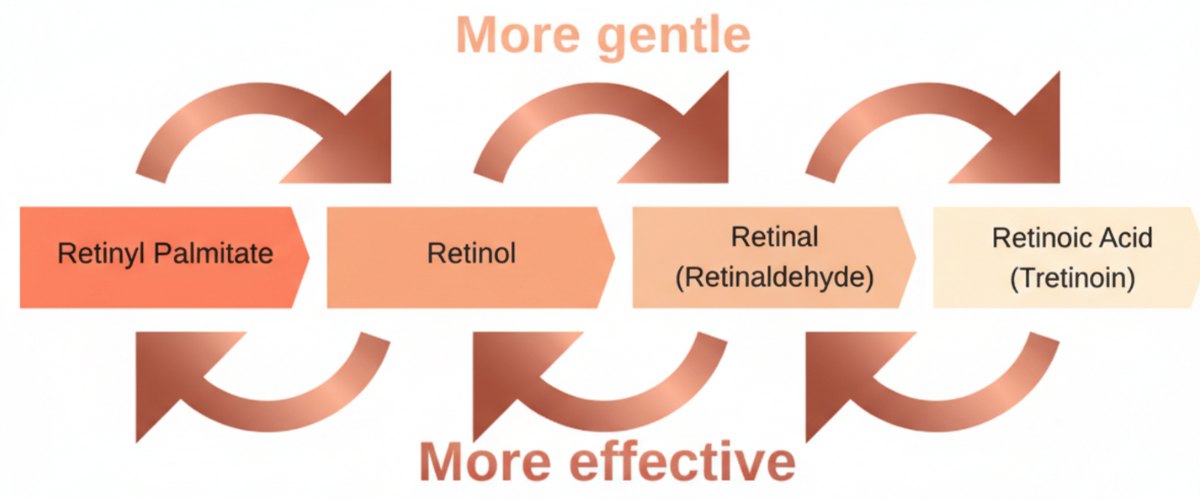
See where this is going? Tretinoin is already in the active form your skin uses, so it works immediately. Retinal needs just one conversion step. Retinol? That bad boy needs two conversions, which makes it gentler but also slower to show results.
Retinol vs Retinal vs Tretinoin: Quick Comparison
What Is Retinol? The OTC Starting Point
Retinol is like the entry-level employee of the retinoid family - it gets the job done, but it's gonna take a minute. Since it requires two conversion steps to become active retinoic acid in your skin, it's the gentlest option and perfect for retinoid newbies.
The flip side? You'll need to be patient. Most people don't see significant results from retinol for at least 8-12 weeks of consistent use. But hey, slow and steady wins the race, right?
Who Should Use Retinol?
- Retinoid beginners who've never used vitamin A before
- Sensitive skin types who react to stronger actives
- Anyone under 25 looking for preventative anti-aging
- Budget-conscious skincare lovers (hello, The Ordinary)
Why Your Skin Needs Retinol: Benefits and Results
Look, there's a reason dermatologists have been hyping up retinoids since the 1970s. This stuff actually works - we've got the science receipts to prove it. Here's what retinol can do for your skin:
- Boosts collagen production: More collagen = plumper, firmer skin with fewer fine lines
- Speeds up cell turnover: Bye-bye dead skin cells, hello glow
- Fades dark spots: Helps with hyperpigmentation and post-acne marks
- Unclogs pores: Keeps breakouts at bay by preventing buildup
- Smooths texture: Evens out rough patches and bumpy skin
What to Look for in a Retinol Product
Not all retinols are created equal, fam. Here's what separates the good stuff from the meh:
- Concentration: Start with 0.2-0.3% if you're new, work up to 0.5-1.0% over time
- Packaging: Look for opaque, airless pumps — retinol degrades in light and air
- Supporting ingredients: Squalane, hyaluronic acid, and niacinamide help buffer irritation
- Formulation: Oils and creams are more moisturizing; serums absorb faster
How to Use Retinol for Best Results
Real talk: how you use retinol matters just as much as which one you pick. Here's the game plan:
- Start slow: Use 2-3 times per week for the first 2-4 weeks
- Apply at night: Retinoids make your skin sun-sensitive
- Cleanse first: Apply to clean, completely dry skin (wait 20 mins after washing)
- Less is more: A pea-sized amount covers your whole face
- Buffer if needed: Apply moisturizer before retinol if you're sensitive (the "sandwich method")
- SPF is non-negotiable: Wear sunscreen every single day, no exceptions
Best Retinol Products (OTC - Mildest)
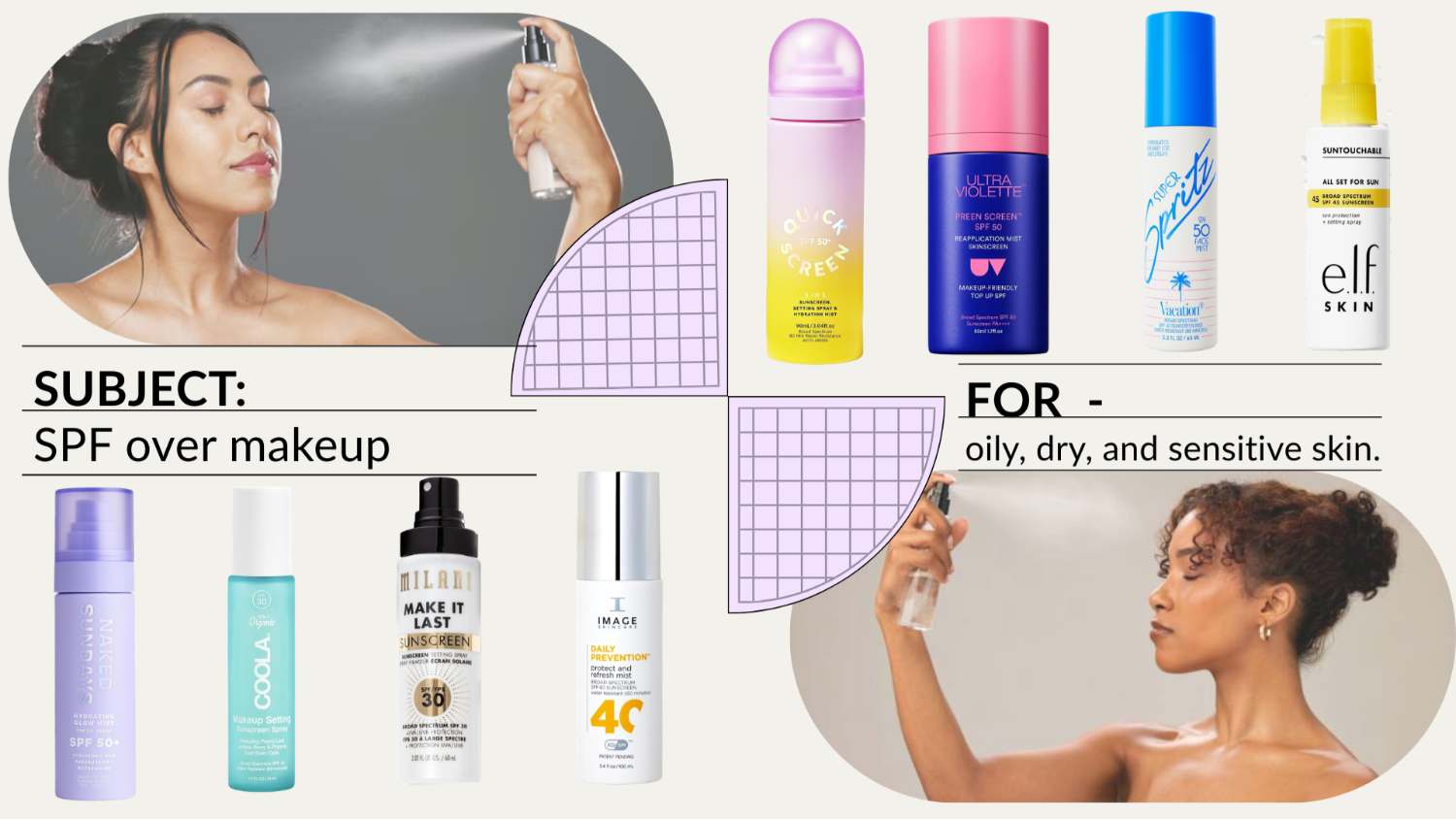
These are our top picks for retinol - the gentlest form of vitamin A that requires 2 conversion steps to become active. Perfect for beginners and sensitive skin types who want to ease into the retinoid game. You can easily combine these formulas with a gentle daily SPF, and if you’re not sure where to start, we’ve put together a guide to the best face sunscreens for sensitive skin to keep irritation (and sun damage) in check.
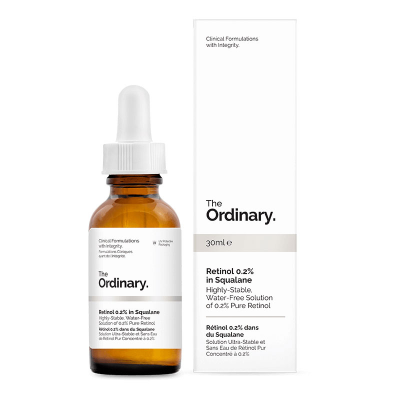
1. The Ordinary Retinol 0.2% in Squalane: Best Budget-Friendly Beginner Retinol
Real Users Review Summary ★★★★★
Users love The Ordinary Retinol 0.2% for its wallet-friendly price and beginner-friendly formula. Most reviewers report smooth absorption, improved skin texture, and minimal irritation when used as directed. A few note the oily texture takes getting used to, but the squalane base keeps skin hydrated rather than dried out.
2. COSRX The Retinol 0.5 Oil: Best K-Beauty Retinol for Intermediate Users
.webp)
Real Users Review Summary ★★★★★
The COSRX Retinol 0.5 Oil is a fan favorite among K-beauty enthusiasts. Reviewers consistently praise its gentle yet effective formula that doesn't cause the dreaded retinol uglies. Clinical studies show visible pore improvement at 2 weeks and wrinkle reduction at 4 weeks. Users love that it layers well with other products and keeps skin hydrated.
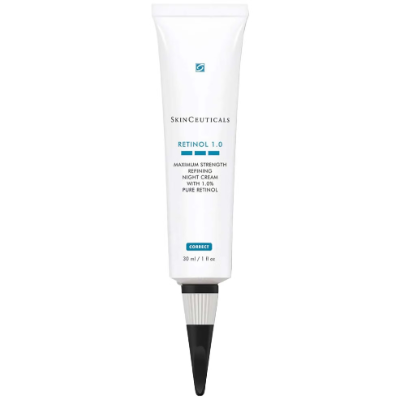
3. SkinCeuticals Retinol 1.0: Best Luxury High-Strength Retinol
Real Users Review Summary ★★★★★
SkinCeuticals Retinol 1.0 is the gold standard for those who've maxed out on lower-strength retinols. Long-term users rave about visible improvements in fine lines, dark spots, and overall skin clarity. The built-in soothing complex with bisabolol (from chamomile) and frankincense extract helps minimize the irritation typically associated with 1% retinol formulas.
What Is Retinal (Retinaldehyde)? The Powerful Middle Ground
Now we're getting into the good stuff. Retinal - short for retinaldehyde - is basically retinol's cooler, more efficient older sibling. It only needs ONE conversion step to become active retinoic acid, which means it works up to 11 times faster than retinol.
Here's where it gets even better: studies show that 0.05% retinal is comparable in efficacy to 0.05% tretinoin for wrinkle reduction, but with significantly less irritation. Translation? You get prescription-level results without the prescription or the peeling nightmare.
Why Retinal Is Having a Moment
Retinal used to be super hard to find (and expensive AF) because it's a notoriously unstable molecule. But brands like Medik8 and Naturium have cracked the code on stabilization, making effective retinal products actually accessible. It's no wonder this ingredient is blowing up in the skincare world.
Who Should Use Retinal?
- Anyone who's used retinol but wants faster results
- Sensitive skin types who can't tolerate tretinoin
- Those seeking prescription-level efficacy without a prescription
- People who want to step up their anti-aging game
Why Your Skin Needs Retinal: Benefits and Results
Retinal does everything retinol does, just faster and sometimes better. Here's the rundown:
- Works 11x faster than retinol: One conversion step vs. two means quicker visible results
- Comparable to tretinoin: Studies show similar wrinkle-reduction at 18 weeks
- Better tolerated: Less irritation than tretinoin at similar efficacy levels
- Antibacterial properties: Retinal specifically has antimicrobial benefits for acne
- OTC availability: No prescription needed
What to Look for in a Retinal Product
Retinal is trickier to formulate than retinol because it degrades quickly. Here's what matters:
- Encapsulation technology: Look for "encapsulated" or "sustained-release" retinal for stability
- Airless packaging: Absolutely essential - no jars or droppers
- Concentration: 0.03-0.06% for beginners, 0.1%+ for experienced users
- Progressive strengths: Brands like Medik8 offer a "ladder" system to level up
How to Use Retinal for Best Results
Retinal application is similar to retinol, but you might be able to use it more frequently since it's often better tolerated:
- Start conservative: 2x per week for the first 2 weeks
- Increase gradually: Every other night for 2 weeks, then nightly if tolerated
- Apply to dry skin: After cleansing, wait until skin is completely dry
- Follow with moisturizer: Helps seal in the product and reduce irritation
- Morning SPF is mandatory: Even more important with faster-acting retinoids
Best Retinal (Retinaldehyde) Products (OTC - Stronger)
These retinal products work 11x faster than retinol by requiring only one conversion step. They're the sweet spot between gentle OTC retinols and prescription tretinoin - powerful results without the harsh side effects.
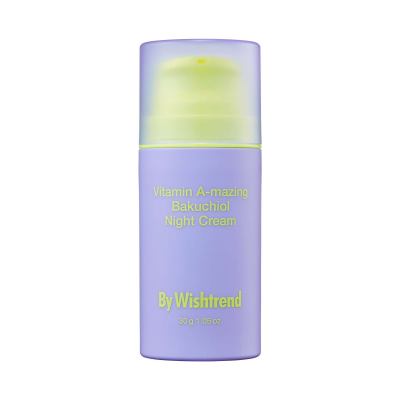
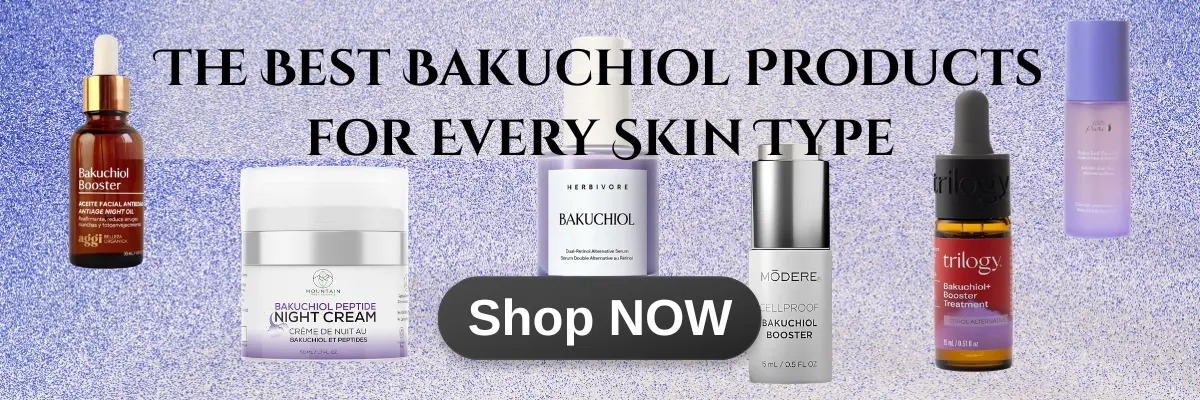
1. By Wishtrend Vitamin A-mazing Bakuchiol Night Cream: Best Budget K-Beauty Retinal for Sensitive Skin
Real Users Review Summary ★★★★★
This award-winning K-beauty cream combines the power of retinal with plant-based bakuchiol for a gentler approach to vitamin A. Reviewers love using it on sensitive areas like the under-eyes and neck where prescription retinoids would be too harsh. The formula feels rich and moisturizing without being greasy, and many users report tighter, more plump-looking skin by morning.
2. Naturium Retinaldehyde Cream Serum 0.05%: Best Mid-Range OTC Powerhouse
.webp)
Real Users Review Summary ★★★★★
Naturium's retinaldehyde serum is a standout for its unbeatable price-to-quality ratio. Beauty editors praise the sustained-release technology that delivers retinal slowly throughout the night for minimal irritation. Users report smoother texture, brighter skin, and improved fine lines within 6-8 weeks. The option to level up to 0.10% and 0.15% makes it easy to progress without switching brands.
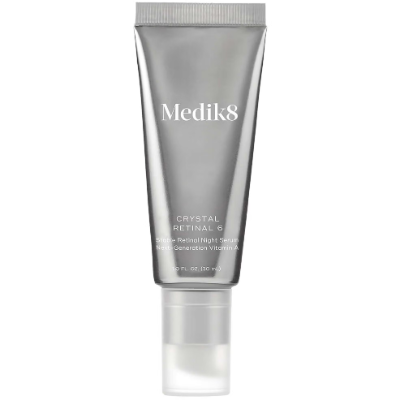
3. Medik8 Crystal Retinal 6: Best Luxury Clinical-Grade Retinal
Real Users Review Summary ★★★★★
Medik8 literally put retinal on the map, and Crystal Retinal remains the gold standard. The patented crystal encapsulation technology ensures unmatched stability and potency from first pump to last. Reviewers consistently report smoother skin, faded hyperpigmentation, and improved firmness with minimal irritation, even when using it nightly. The 6-strength ladder system (from Crystal Retinal 1 to 24) makes long-term progression foolproof.
What Is Tretinoin? The Prescription Gold Standard
Alright, now we're talking about the big guns. Tretinoin (you might know it as Retin-A) is the OG prescription retinoid and the most powerful vitamin A derivative you can put on your face. Unlike retinol and retinal, tretinoin IS retinoic acid - the active form that your skin actually uses - so it gets to work immediately with zero conversion steps.
This is the stuff that dermatologists have been prescribing since the 1970s, and it's got decades of research proving it works for everything from acne to wrinkles to sun damage. The catch? It's powerful, which means it can also be pretty harsh, especially when you're first starting out.
Who Should Use Tretinoin?
- Those with stubborn acne that OTC products can't touch
- Anyone serious about reversing existing signs of aging
- People who've maxed out on retinol/retinal and want more
- Those with significant sun damage or hyperpigmentation
Why Your Skin Needs Tretinoin: Benefits and Results
Tretinoin is essentially retinol and retinal on steroids. Here's what it can do:
- FDA-approved for anti-aging: The only topical retinoid with this distinction
- 20x stronger than retinol: Significantly more potent results
- Proven acne treatment: Reduces breakouts by up to 80% in clinical trials
- Reverses photoaging: Fades sun spots and repairs UV damage at the cellular level
- Fastest visible results: Changes can appear in as little as 2-6 weeks
What to Look for in Tretinoin
Since tretinoin requires a prescription, your options come down to:
- Concentration: Ranges from 0.025% (beginner) to 0.1% (advanced)
- Formulation: Creams are more moisturizing; gels are better for oily/acne-prone skin
- Additional ingredients: Some telemedicine formulas add niacinamide, azelaic acid, or hyaluronic acid
- Access method: Traditional derm vs. telemedicine services
How to Use Tretinoin for Best Results
Tretinoin is no joke - starting too strong too fast is the #1 mistake people make. Here's how to do it right:
- Start with the lowest strength: 0.025% is plenty for beginners
- Use only 2-3x per week initially: Your skin needs time to adjust
- Wait 20-30 mins after washing: Applying to damp skin increases irritation
- Pea-sized amount max: More is definitely not more
- Buffer with moisturizer: Apply moisturizer before and/or after tretinoin
- Expect "the purge": Breakouts often get worse before they get better (weeks 2-6)
- Commit to SPF 30+: Tretinoin + sun = hyperpigmentation disaster
Best Tretinoin Products (Prescription - Strongest)
Tretinoin is the most potent retinoid available and requires a prescription. Thanks to telemedicine services, getting tretinoin has never been easier, no dermatologist appointment necessary. These are the best ways to access prescription-strength tretinoin in 2026.
1. Nurx Tretinoin Cream: Best Budget Prescription Option
.webp)
Real Users Review Summary ★★★★★
Nurx is consistently praised for making prescription tretinoin accessible and affordable. Users love the straightforward process: complete an online consultation, get matched with a provider, and receive your prescription within days. Reviewers report significant skin improvements with long-term use, though many recommend the "sandwich method" with moisturizer to minimize the initial adjustment period.
2. Curology Custom Formula (with Tretinoin): Best Personalized Multi-Tasking Formula
Real Users Review Summary ★★★★★
Curology is a long-time favorite for personalized prescription skincare. Named "Best Overall Tretinoin Cream" by Vogue, users appreciate that each formula targets multiple concerns at once, like acne, aging, AND hyperpigmentation. The ability to start with "micro-doses" of tretinoin (lower than typical pharmacy strengths) makes it ideal for beginners who want to ease in. Many reviewers report clearer, smoother skin within 2-3 months of consistent use.
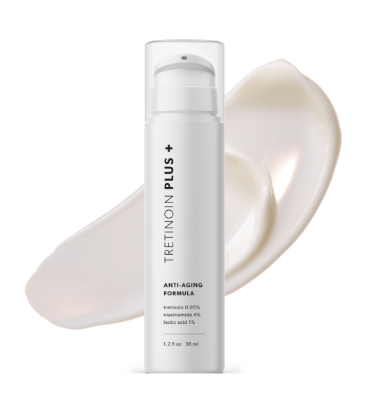
3. Apostrophe Tretinoin Plus: Best Luxury Enhanced Anti-Aging Formula
Real Users Review Summary ★★★★★
Apostrophe Tretinoin Plus is designed specifically for anti-aging with an enhanced formula that pairs tretinoin with brightening niacinamide and gentle exfoliating lactic acid. Users rave about clearer, smoother skin and fading acne scars. The emollient-rich base makes this formula more tolerable than traditional tretinoin creams. Multiple reviewers mention visible improvements within the first month, particularly in skin texture and radiance.
Frequently Asked Questions About Retinol vs Retinal vs Tretinoin
What's the main difference between retinol, retinal, and tretinoin?
The main difference is how many conversion steps each needs to become active in your skin. Retinol requires 2 steps (slowest, gentlest), retinal requires 1 step (11x faster than retinol), and tretinoin is already active (fastest, strongest). This affects both how quickly you see results and how much irritation you might experience.
Can I use retinol and tretinoin together?
Nope, never use multiple retinoids at the same time. This will absolutely wreck your skin barrier and cause serious irritation. Pick one and stick with it. If you want to level up, discontinue your current retinoid and switch to a stronger one.
Is retinal as effective as tretinoin?
Studies show that 0.05% retinal delivers comparable wrinkle-reduction results to 0.05% tretinoin over 18 weeks, but with significantly less irritation. So for many people, retinal offers a great balance of efficacy and tolerability.
How long does it take to see results from retinoids?
It depends on which type you're using: Retinol typically takes 8-12 weeks, retinal shows results in 4-8 weeks, and tretinoin can show changes in as little as 2-6 weeks. Patience is key, give any retinoid at least 12 weeks before judging if it's working.
Can I use vitamin C with retinol, retinal, or tretinoin?
Yes, but timing matters. Use vitamin C in the morning (it's an antioxidant that helps protect against UV damage) and your retinoid at night. Some people experience irritation using both, so introduce them separately and monitor your skin.
Do retinoids make your skin more sensitive to the sun?
Absolutely yes. All retinoids increase photosensitivity, which is why they should only be applied at night. Daily SPF 30+ is 100% non-negotiable when using any vitamin A derivative - seriously, don't skip this step.
Is the "retinoid purge" real?
Unfortunately, yes. Many people experience temporary worsening of breakouts during weeks 2-6 of retinoid use. This happens because retinoids speed up cell turnover, bringing existing clogs to the surface faster. It's temporary and a sign the product is working - push through it.
Can I use retinoids if I have sensitive skin or rosacea?
You can, but you need to be strategic. Start with the lowest strength retinol (like 0.2%) or a gentle retinal formula, use it only 1-2x per week initially, and always buffer with moisturizer. Some people with rosacea do better with retinal than retinol or tretinoin.
Should I use retinol or tretinoin for acne?
For mild acne, OTC retinol or retinal can help by unclogging pores and speeding cell turnover. For moderate to severe acne, prescription tretinoin is more effective, studies show it can reduce acne lesions by up to 80%. Talk to a dermatologist (or use a telemedicine service) if OTC options aren't cutting it.
At what age should I start using retinoids?
Most dermatologists recommend starting a gentle retinoid in your mid-20s for prevention. By 30, incorporating some form of vitamin A becomes more important as collagen production naturally slows down. That said, it's never too late to start, you'll still see benefits at any age.
The Bottom Line: Which Retinoid Is Right for You?
Here's the TL;DR breakdown to help you choose:
- Choose RETINOL if: You're new to retinoids, have sensitive skin, or want a gentle entry point. Start with 0.2-0.3% and work your way up.
- Choose RETINAL if: You've used retinol but want faster results, or you want prescription-like efficacy without an Rx. Great for those who can't tolerate tretinoin.
- Choose TRETINOIN if: You have stubborn acne, significant signs of aging, or have maxed out on OTC options. Be prepared for an adjustment period.
No matter which one you pick, remember: consistency beats intensity every time. A gentler retinoid you use regularly will always outperform a stronger one sitting untouched on your shelf. Start slow, listen to your skin, and give it time to work its magic.
Ready to start your retinoid journey? Check out our top picks above and find the perfect match for your skin goals. Your future self (and your glowing skin) will thank you!