Gray Lenses: Why Gray Is the Most Popular Sunglass Lens Color
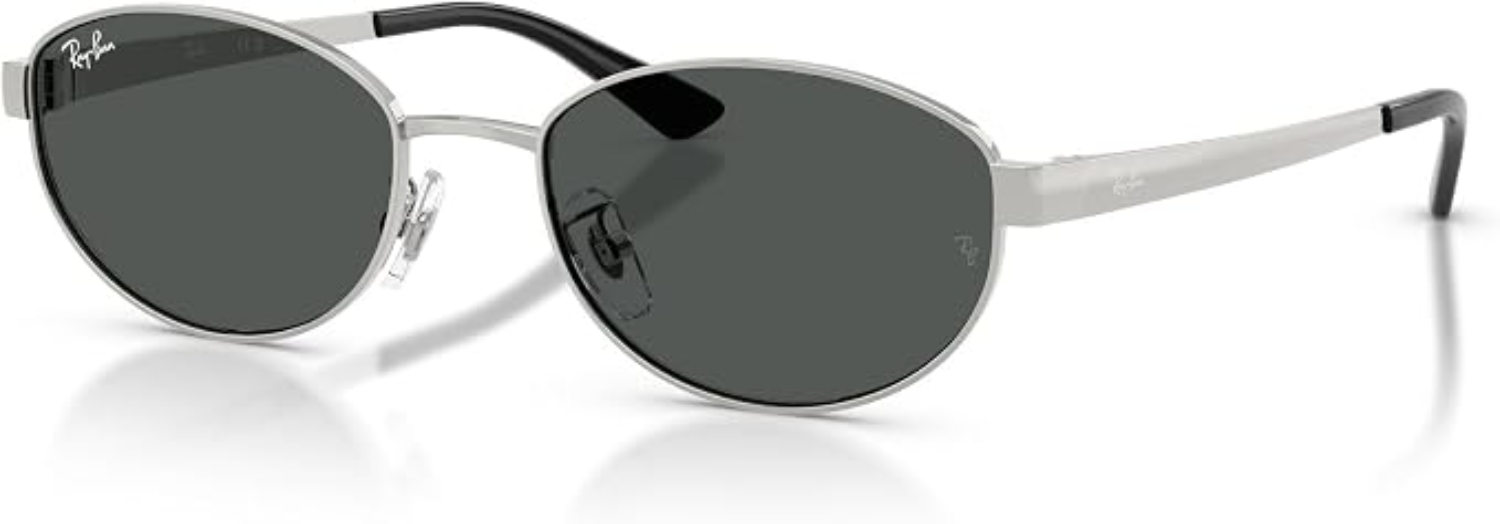
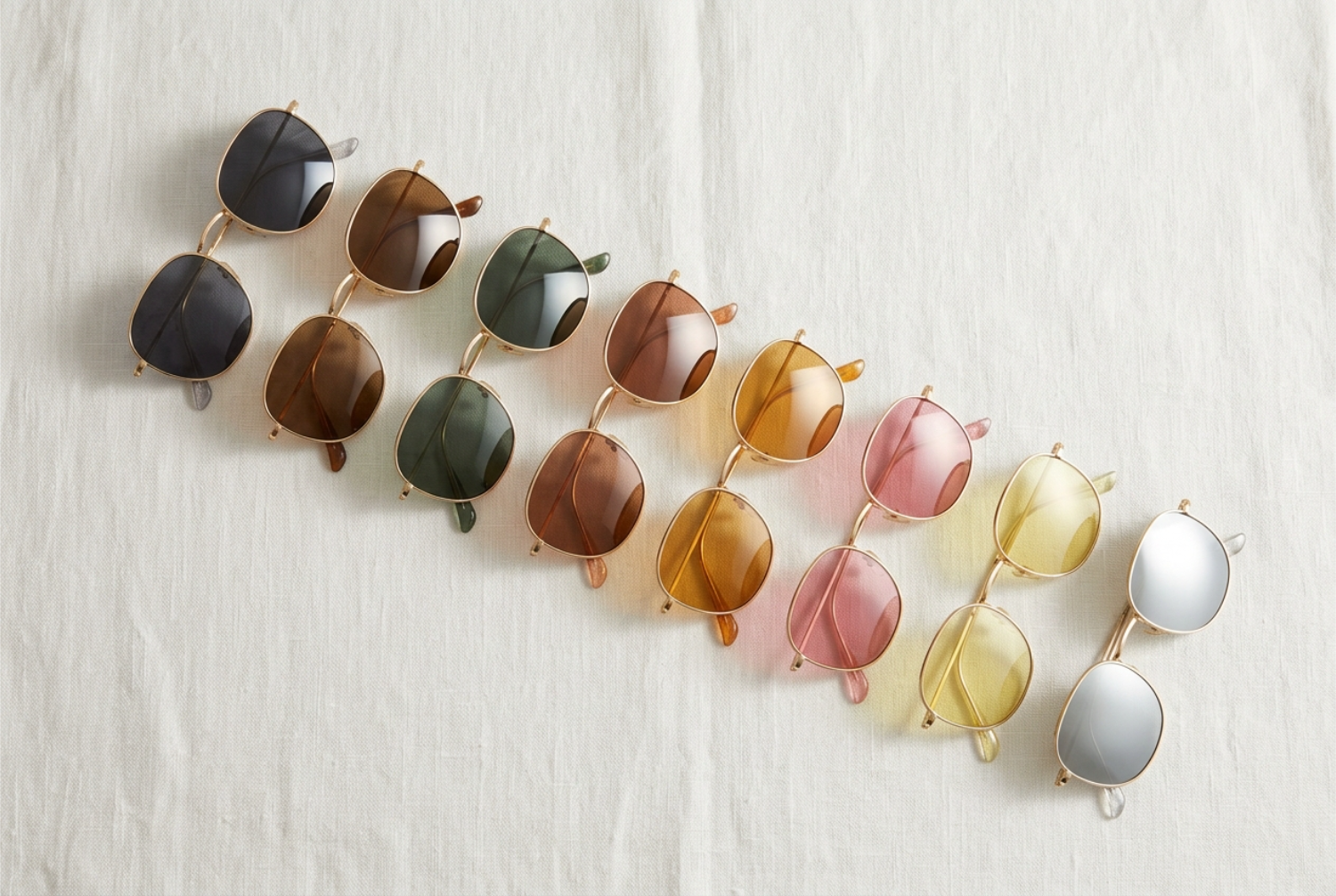
If you could own only one pair of sunglasses, gray lenses would be the safest bet. Gray is a neutral-density tint, which means it lowers the brightness of every color by roughly the same amount instead of filtering some wavelengths more than others. Reds stay red, greens stay green, and traffic lights look exactly as they should. That predictability is the reason gray, along with its close cousin gray-green, is the default lens in the core collections of Ray-Ban, Oakley, Maui Jim, Costa, and nearly every fashion house: it works for the widest range of people, frame colors, and climates.
The American Optometric Association also recommends a gray tint, pointing to its color recognition behind the wheel. Gray is also the most common base under mirrored coatings, so many "blue" or "silver" lenses are gray once you look through them.
What it improves: Gray cuts overall brightness, which reduces squinting and eye fatigue during long stretches outdoors. Because it doesn't tilt your color perception warm or cool, your eyes don't need to adjust when you take the glasses off. Paired with polarization, gray is the most effective option against the harsh, flat glare that bounces off pavement, car hoods, and open water.
When to skip it: Gray does nothing to sharpen detail, so it can make overcast days feel dull and flat. If you need to read the slope of a putting green, spot a mogul in flat ski light, or track a ball against a hazy sky, a warmer tint will serve you better.
Brown Sunglass Lenses
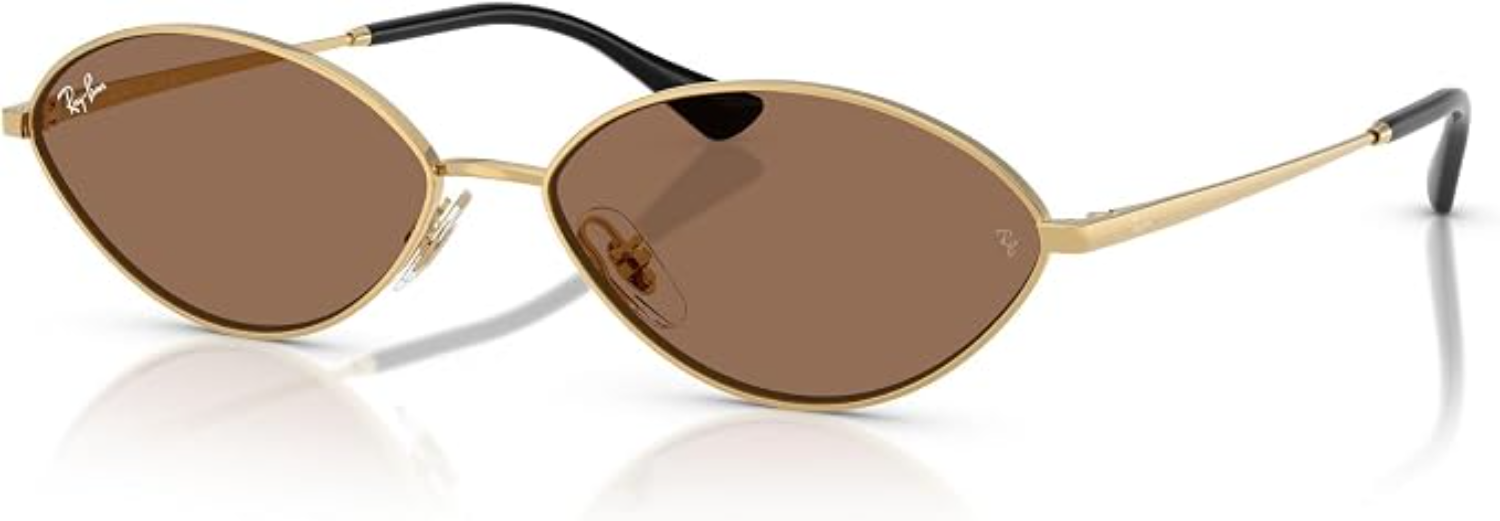
What it improves: Brown lenses trim the blue end of the spectrum, so shadows separate more clearly from the surfaces around them and depth reads faster. Many people find the warm cast easier on the eyes over a full afternoon than a cool or neutral tint. Brown also handles the shift from sun to cloud gracefully, which makes it the most versatile alternative to gray.
When to skip it: If you need precise color judgment, such as matching paint swatches outdoors or checking a sunset photo on a camera screen, the warm shift will mislead you. On blindingly bright days over snow or open sea, a darker gray will feel more restful.
Amber Sunglass Lenses
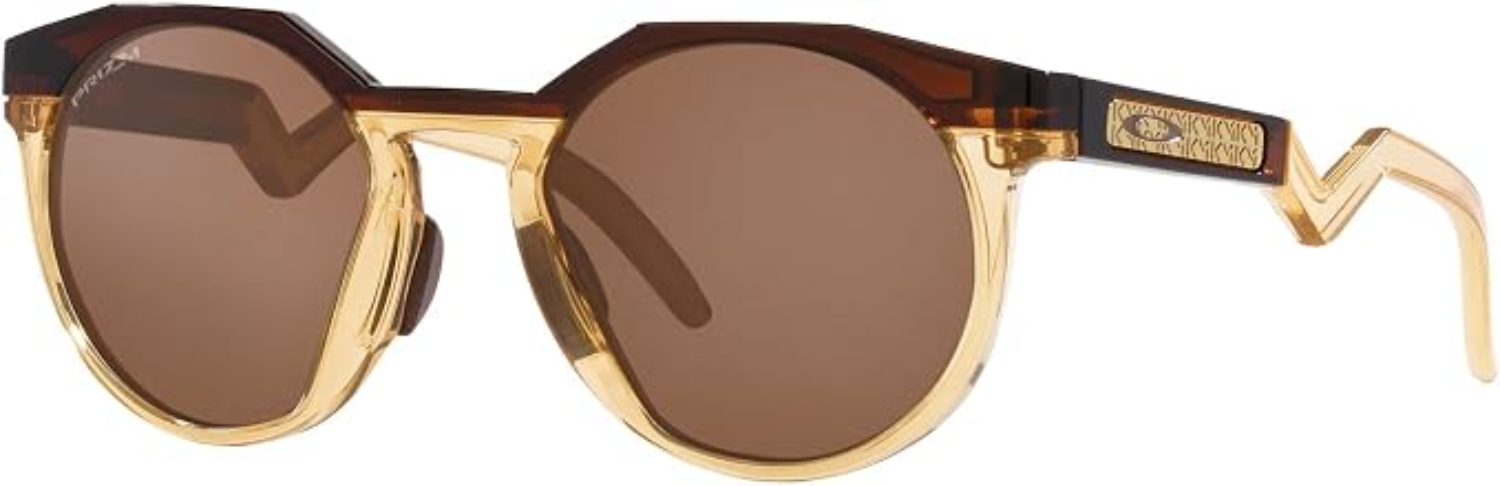
What it improves: Amber sits between brown and yellow. It blocks a larger share of blue light than brown while letting more total light through, so the world looks brighter and more defined on gray days. Textures in the ground, ripples on water, and the edges of a trail all become easier to pick out.
When to skip it: In strong midday sun, a lighter amber lens won't cut enough brightness to keep you from squinting. The orange-gold cast also makes blues and greens look muddy, which is a fair trade on a trail and an annoying one at a picnic.
Copper Sunglass Lenses
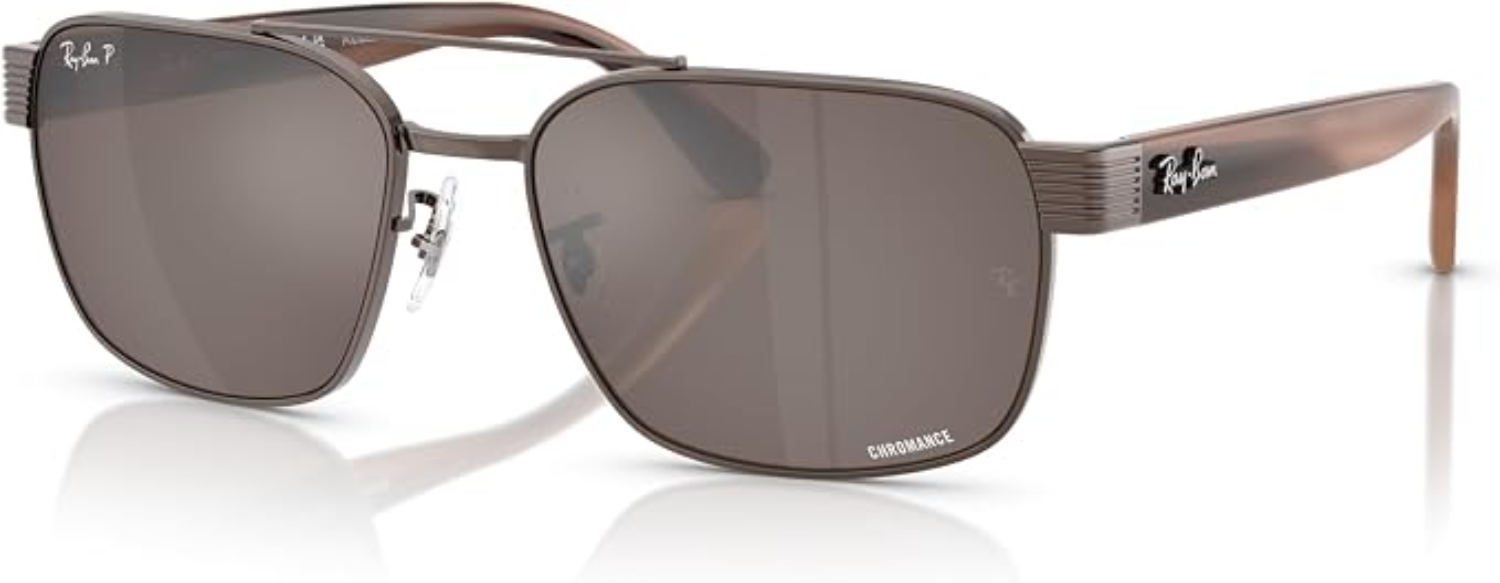
What it improves: Copper is a reddish brown that pushes contrast further than standard brown while staying dark enough for real sun. Against grass and shallow water, it makes subtle changes in height and texture pop, which is why anglers and golfers ask for it by name. It also tends to make skin tones look warm and healthy, a small bonus if you're photographed in them.
When to skip it: Copper distorts color more than brown or gray, so it's a weaker choice when you want a lens for errands, travel, and long highway drives all in one pair.
Green Sunglass Lenses
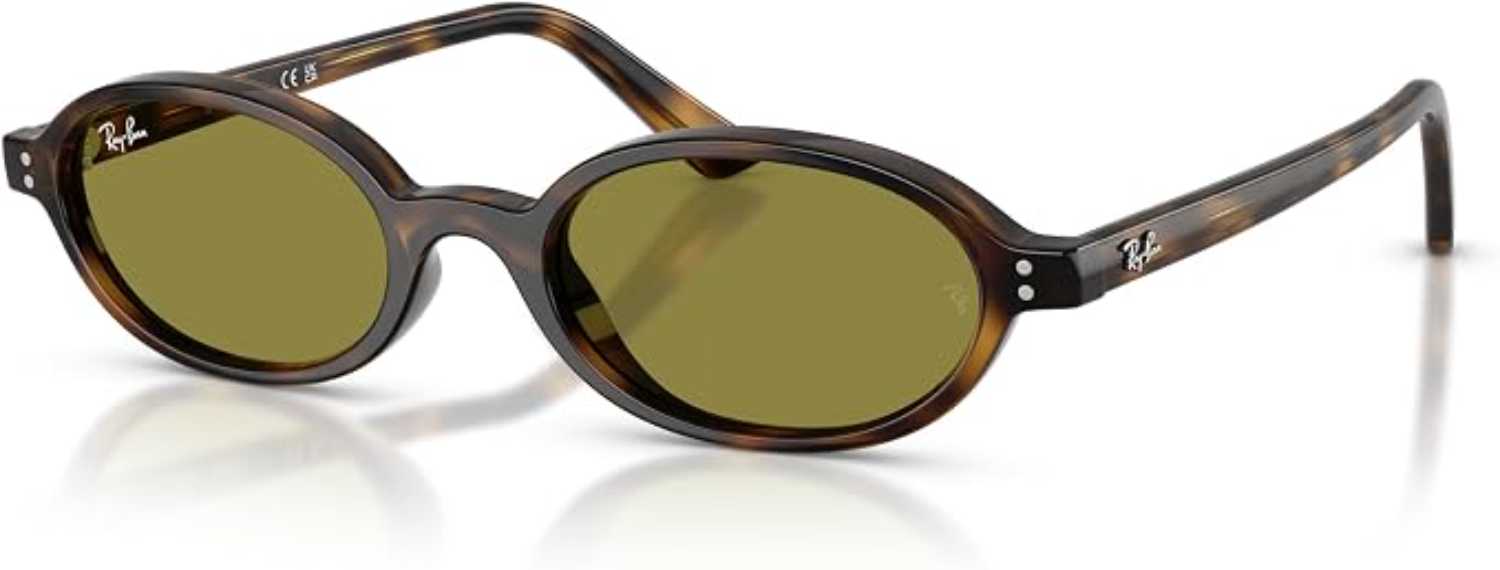
What it improves: Green lenses, including the gray-green made famous by Ray-Ban's G-15, soften glare while keeping colors close to natural, and they add a touch more contrast than pure gray. Many people describe the view as calm and slightly cooler, which is why green has stayed a classic in aviators and wayfarers for decades. In shadowy settings, like tree-lined streets or a stadium with patches of shade, green handles the jumps in brightness well.
When to skip it: Green won't sharpen a gray, foggy day the way amber or rose will, and some people notice a faint green tint lingering on white surfaces.
Yellow and Orange Sunglass Lenses
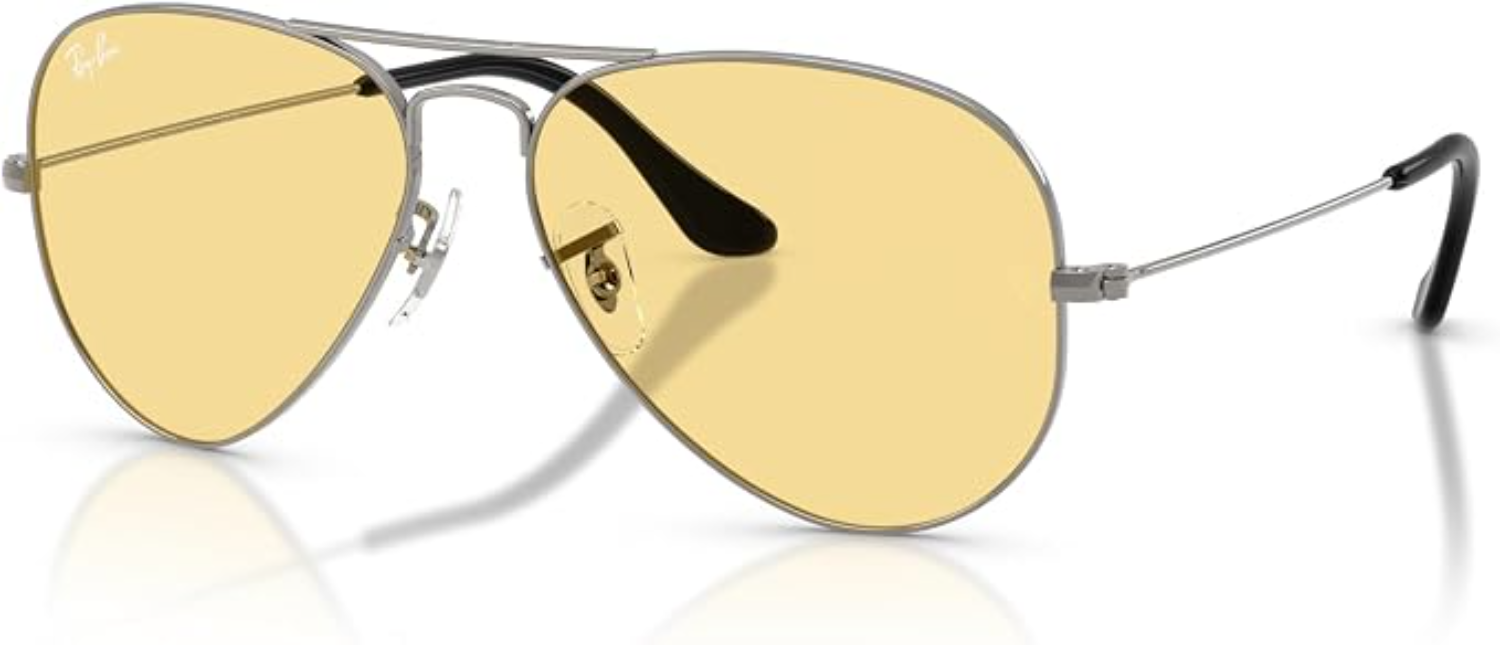
What it improves: Yellow and orange lenses strip out nearly all blue light while letting most other light pass, so a dim scene looks brighter and much more defined. Targets, tennis balls, and trail roots stand out sharply against the background. For activities that start before sunrise, these are often the only tint that helps rather than hinders.
When to skip it: They do almost nothing to reduce brightness, so they are not sunglasses in the traditional sense. They are also not a fix for driving after dark, which the night-driving section below explains.
Rose and Pink Sunglass Lenses
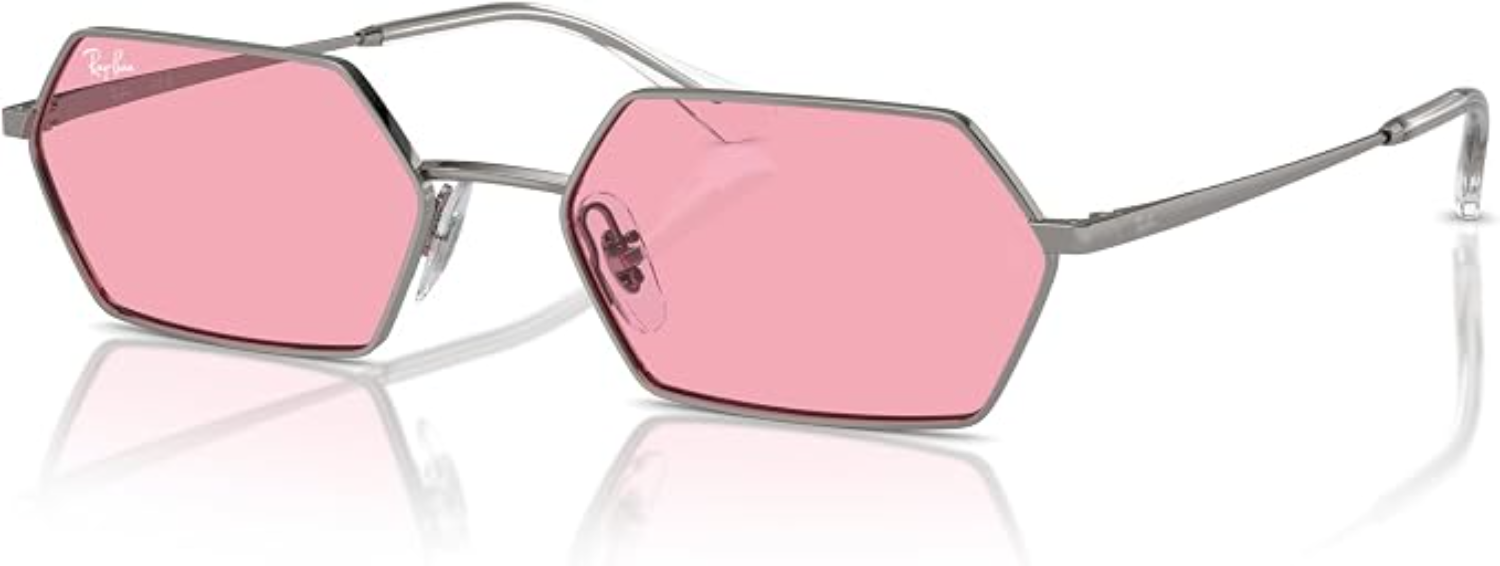
What it improves: Rose lenses brighten shadows and lift contrast without the heavy orange cast of amber, so many people find them the most comfortable warm tint to wear for hours. They make bumps in snow and changes in road surface easier to read. A light pink lens is also a popular fashion choice because it flatters most complexions.
When to skip it: In a cloudless sky, a rose lens alone can let in more light than is comfortable. Fashion pink lenses are often very light, so check the category before you rely on them for a beach day.
Red Sunglass Lenses
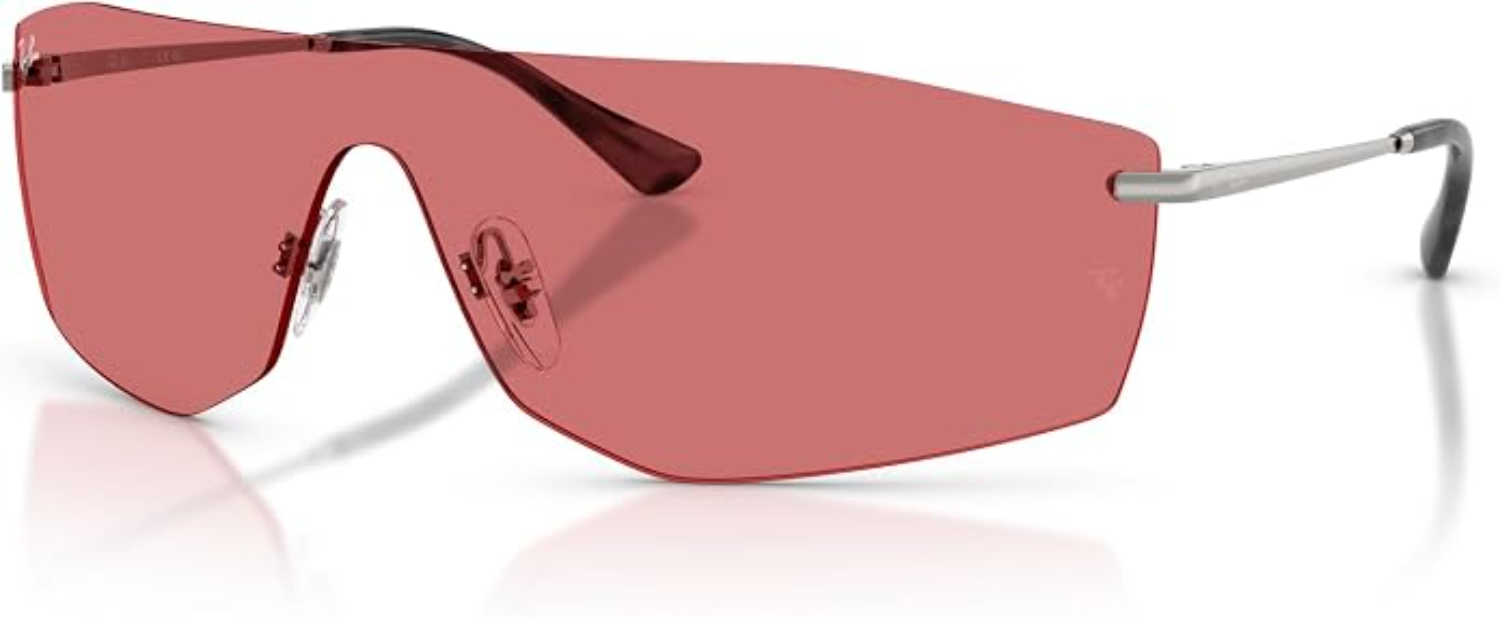
What it improves: Red tints deliver some of the strongest depth perception of any lens, which helps when terrain changes fast and you need to react quickly. Bumps, ruts, and ice patches read more clearly, especially in tree shade or under cloud.
When to skip it: Red lenses noticeably change how traffic signals and brake lights look, so they are a poor match for driving. Many "red" sunglasses sold for style are actually a red mirror over a gray base, which looks red from the outside but behaves like gray from the inside.
Blue Sunglass Lenses
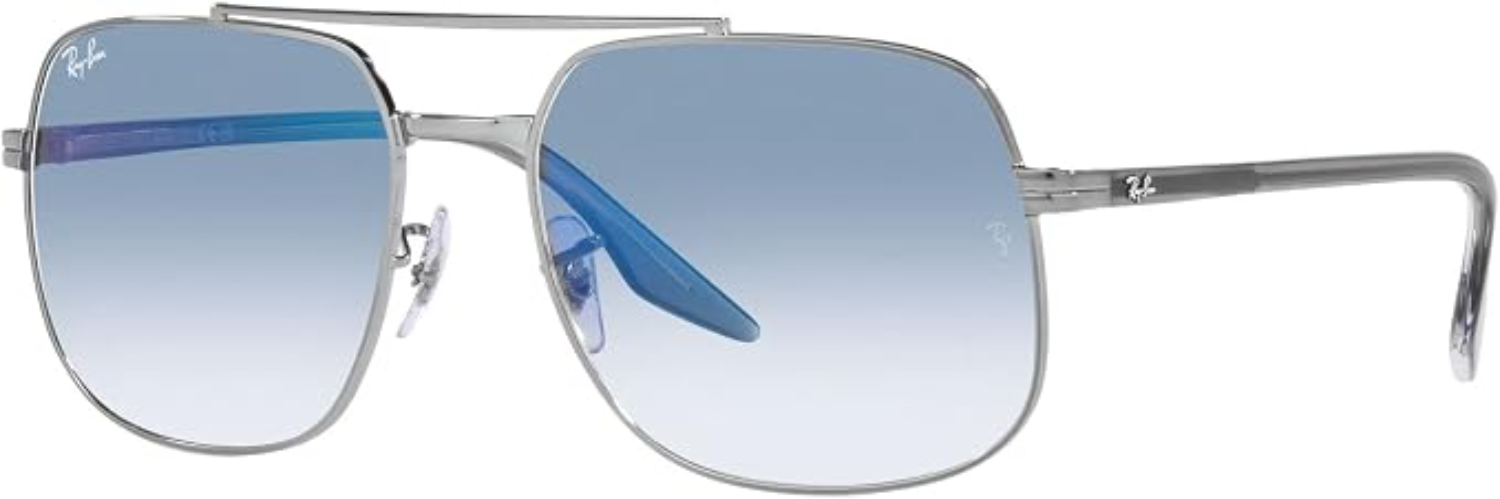
What it improves: A true blue tint cuts yellow and orange glare, which can make outlines look cleaner in mist or on reflective snow. Its bigger strength is style: blue lenses read cool and modern, and they flatter warm-toned skin and tortoiseshell frames.
When to skip it: Blue lets more of the scattered blue light through, so it adds little contrast and can make a hazy day look even flatter. If the blue is only a mirror coating, look at the lens description for the base tint, since that is what you'll actually see through.
Purple Sunglass Lenses
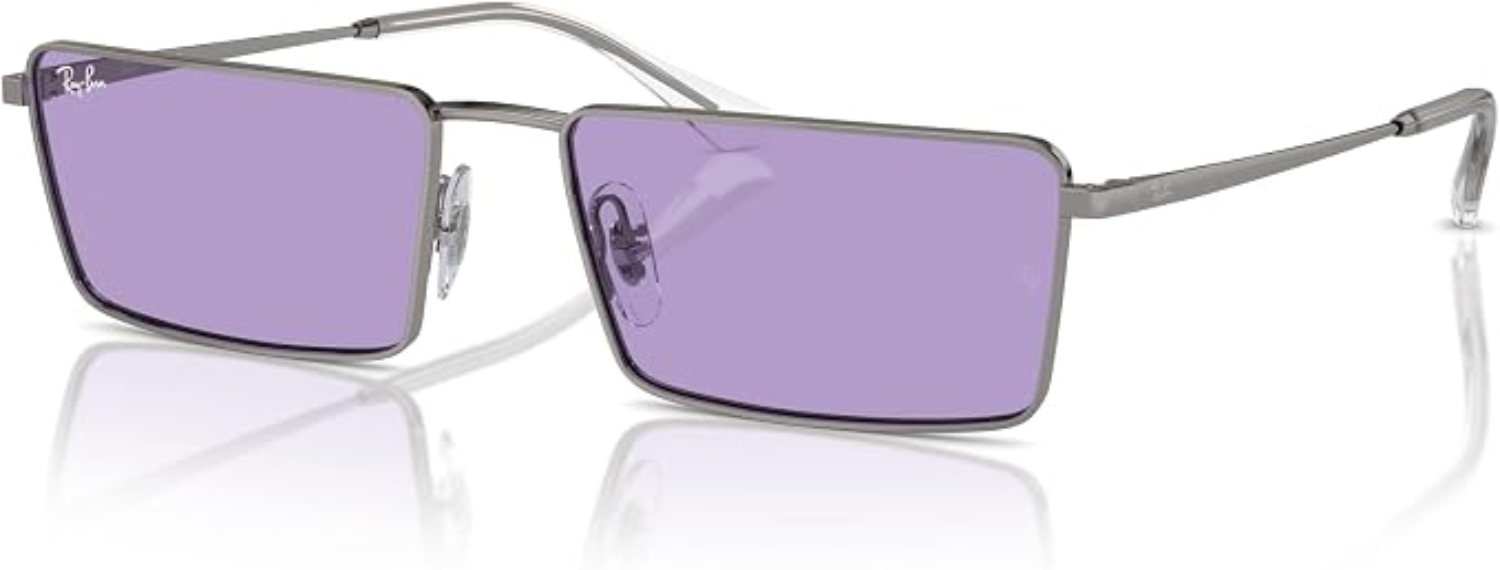
What it improves: Purple combines red and blue filtering, so objects stand out against green and blue backgrounds. A white golf ball on a fairway or an orange clay against the sky becomes easier to follow. Purple also shows up often in fashion collections, where it reads as a softer, more wearable alternative to bright pink.
When to skip it: Purple shifts most colors noticeably, so it's a specialty lens rather than an everyday one. For mixed use, a brown or rose lens offers similar contrast with fewer surprises.
Mirrored Sunglass Lenses
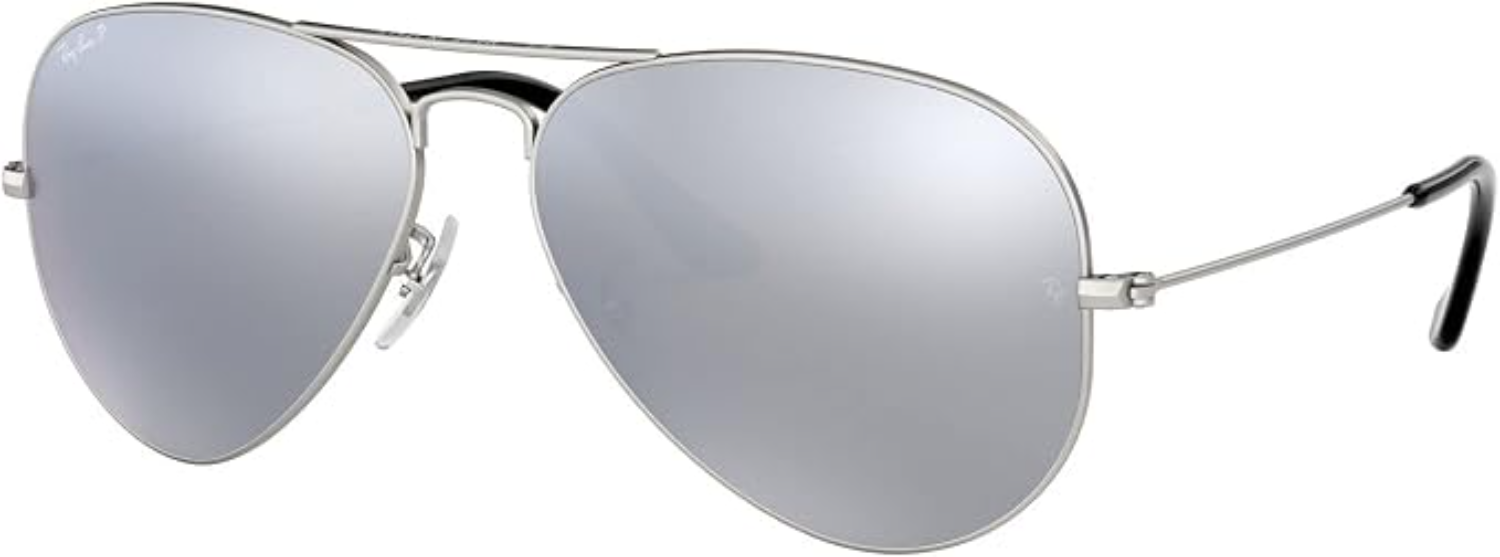
What it improves: A mirror coating bounces part of the incoming light away before it ever enters the lens, which lowers glare beyond what the base tint can manage alone. It also hides your eyes, which some people appreciate on a crowded beach or a long flight of stairs in full sun.
When to skip it: Mirror coatings scratch more visibly than plain lenses, so they need a case and a microfiber cloth. In low light, a dark mirrored lens will feel too dim.
Color-Enhancing Lenses and Brand Tint Names Decoded
Many brands sell special lenses that make colors look brighter and clearer than a regular tint. These are called color-enhancing or high-contrast lenses. Each brand gives them its own name, like "Prizm" or "HCL Bronze," and those names usually don't tell you what color the lens really is. The tables below explain each brand's lens names in plain words.
The small square next to each lens name shows its color:
- One solid color: a regular tinted lens.
- Two colors split diagonally: a mirrored lens. The top-left half is the shiny mirror color other people see, and the bottom-right half is the color you see through.
- Light fading to dark: a lens that darkens in sunlight and clears indoors.
Ray-Ban Lens Color Codes Explained: G-15, B-15, and More
Ray-Ban names its classic lenses by color and light transmission, which makes its codes some of the easiest to decode.
Oakley Prizm Lens Tint Guide: What Each Color Is For
Oakley's Prizm lenses are tuned for specific settings, so the name usually tells you the activity rather than the color.
Maui Jim Lens Colors: Neutral Grey vs HCL Bronze vs Maui Rose
Maui Jim pairs every lens color with its PolarizedPlus2 polarization, so the choice comes down to light conditions and how warm you want the view.
Costa Lens Color Guide for Fishing: Blue Mirror, Green Mirror, and Copper
Costa organizes its polarized lenses by where you'll be on the water, which makes its range especially useful for anglers.
These lenses don't change the basic rules of color. A Prizm Road lens still behaves like a rose-toned contrast lens, and HCL Bronze still behaves like a warm brown. Use the base color to match each brand tint to the color sections at the top of this guide, then judge whether it fits your light and activity.
Sunglasses Labels and Markings Explained: CAT 3, UV400, Polarized, and More
Most sunglasses carry small codes printed on the inside of the temple arm, etched on the lens, or listed on the hang tag. They tell you how dark the lens is, how much UV it blocks, whether it is polarized, and what size the frame is. The CAT numbers below are the same lens categories used in the Common Category column of the chart above.
Keep in mind that a CAT number describes darkness only, not UV protection. A pale CAT 1 lens can block all UV, while a dark lens without a UV filter may block very little. The American Academy of Ophthalmology advises choosing sunglasses that block 99 to 100 percent of both UVA and UVB rays and notes that darker lenses do not block more UV, so look for UV400 or 100% UVA/UVB before you compare colors.
Sunglass Lens Colors and What Each Tint Does
Beyond gray, sunglass lens colors fall into two broad families.
Warm tints, including brown, amber, copper, yellow, rose, and red, absorb more short-wavelength blue light, which is the part of the spectrum that scatters most in haze and makes distant objects look soft. Filtering it out makes edges crisper and depth easier to judge, at the cost of a warm color cast.
Cool tints, including green, blue, and purple, keep colors closer to natural or shift them slightly cool, and they tend to look more fashion-forward on the face. Knowing which family a tint belongs to is the fastest way to predict how it will perform before you ever try it on.
Best Sunglass Lens Color by Activity
The best sunglass lens color changes with what you're doing and where you're doing it. Driving rewards accurate color and steady glare control, while golf, fishing, and snow sports reward contrast that reveals texture and depth.
Light conditions matter as much as the activity itself, so a golfer teeing off at 7 a.m. and one finishing at noon may want different tints. If you only plan to own one pair, choose for the setting you spend the most hours in, then add a second, lighter lens for low-light days. The picks below cover the most common uses and explain why each tint wins there.
Best Lens Color for Driving
Gray and brown are the two safest lens colors behind the wheel. Gray keeps traffic signals, brake lights, and road signs looking exactly as they should, and it handles harsh afternoon glare on highways.
Brown adds contrast that helps on mixed commutes, when you move from bright stretches into tunnels, tree cover, or cloud. Avoid strong red, blue, and very dark Category 4 lenses for driving, since they either distort signal colors or block too much light.
For frame and polarization advice specific to the road, see our guide to driving sunglasses for women.
Lens Color for Night Driving and Low Light
No sunglass tint is safe for driving after dark. Every tinted lens reduces the light reaching your eyes when they need it most, and yellow "night-driving" glasses are no exception: a simulated driving study published in JAMA Ophthalmology found that yellow-tinted lenses did not help drivers spot pedestrians any better than clear lenses.
For dusk and dawn drives, a light amber or rose lens in Category 1 can sharpen a dim road, but take it off once the sun is down. A clear lens with an anti-reflective coating is the better option for headlight glare.
Best Lens Color for Golf
Brown, copper, and rose are the go-to tints on a golf course. They boost the contrast between grass shades, so slopes, grain, and breaks on the green become easier to read. Purple and golf-specific lenses, like Oakley's Prizm Golf, make a white ball stand out against fairway and sky.
Gray works for golfers who mainly want relief from bright sun but offers less help with reading greens. We cover frame styles and fit for the course in our golf sunglasses guide.
Best Lens Color for Fishing
Fishing lens color depends on the water. Offshore, in deep blue water under bright sun, a gray lens with a blue mirror cuts the most glare. Inshore, on flats, rivers, and shallow lakes, copper, amber, and brown lenses make it easier to spot fish, weeds, and bottom structure.
Green mirror over a copper or amber base is a favorite for sight fishing in mixed light, and yellow or light amber helps at first light. Whatever the color, polarization matters more for fishing than for almost any other activity, because it is what lets you see beneath the surface glare.
Best Lens Color for Skiing and Snow
On sunny bluebird days, a dark gray or mirrored lens in Category 3 or 4 keeps reflected glare under control. When clouds roll in and the light goes flat, switch to rose, amber, or red, which reveal bumps and dips that disappear behind a gray lens.
Many skiers carry two lenses or choose goggles with interchangeable ones. High-altitude climbers need Category 4 lenses, which are too dark for driving.
Best Lens Color for Running and Cycling
Rose and amber lenses suit most runs and rides because they stay readable as you move between sun and shade. Road cyclists often prefer rose or contrast-tuned road lenses that make potholes and gravel easier to see at speed. If you start before sunrise or ride into the evening, photochromic lenses that adjust between Category 1 and 3 save you from swapping pairs.
Best Lens Color for Shooting and Baseball
Shooters use yellow and orange lenses in low light and purple or vermilion against green backgrounds to keep targets sharp. In baseball and softball, amber and brown help fielders track the ball against a bright sky, while gray is preferable during harsh day games when glare is the bigger problem.
Best Lens Color for the Beach and Everyday Wear
For beach days and general city wear, a Category 3 gray or gray-green lens is hard to beat. Sand and water reflect a lot of light from below, so a polarized gray lens or a double gradient, darker at both top and bottom, is especially useful. Brown is the right everyday alternative if you prefer a warmer view or spend much of your time in changing light.
Sunglass Lens Color Comparisons
Each comparison below starts with a short answer, followed by the reason. Both lenses in every pair can be polarized and carry full UV protection, so the choice comes down to light conditions and how you want the world to look.
Brown vs Gray Lenses
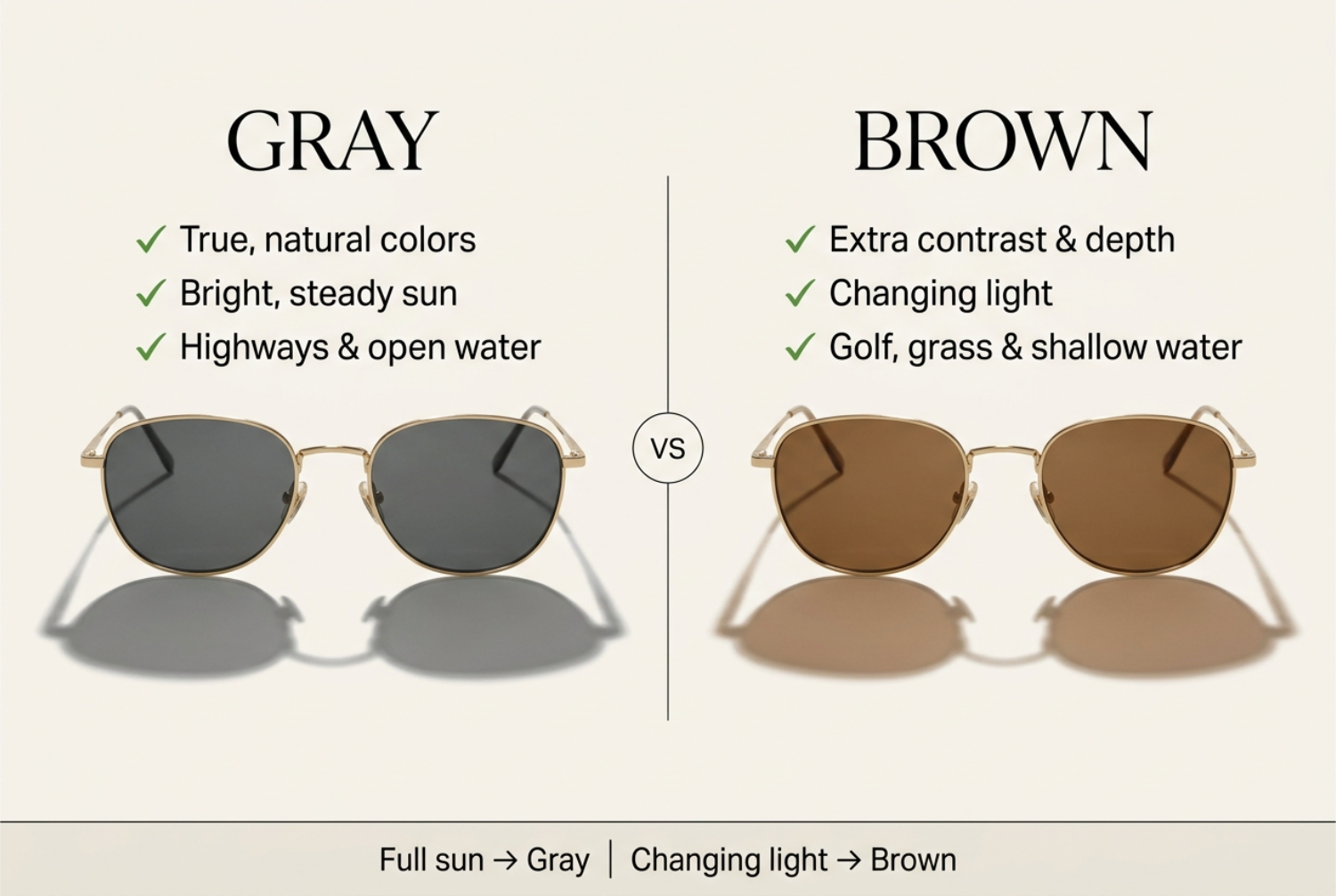
Short answer: Gray is better for bright, steady sun and true colors. Brown is better for changing light and extra depth.
Gray dims everything evenly, while brown filters blue light to sharpen shadows and texture. In polarized versions, gray gives the cleanest glare cut on highways and open water, and brown makes grass, shallow water, and road surfaces easier to read.
Gray vs Amber Lenses
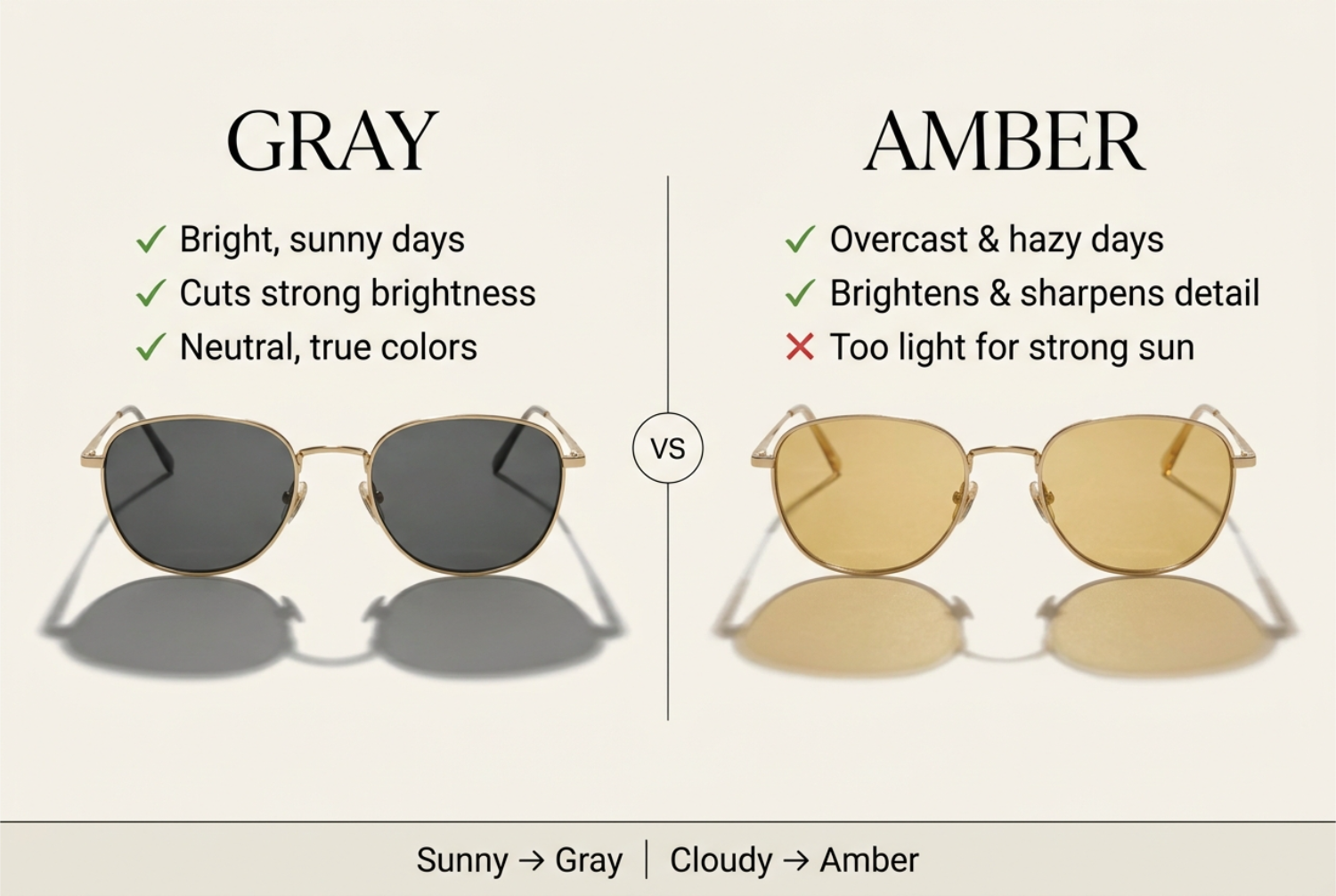
Short answer: Gray is for bright days. Amber is for overcast, hazy, or early-morning light.
Gray is usually darker and neutral, built to cut brightness. Amber is usually lighter and warm, so it brightens and sharpens a dim scene but leaves you squinting in strong sun.
Amber vs Brown Lenses
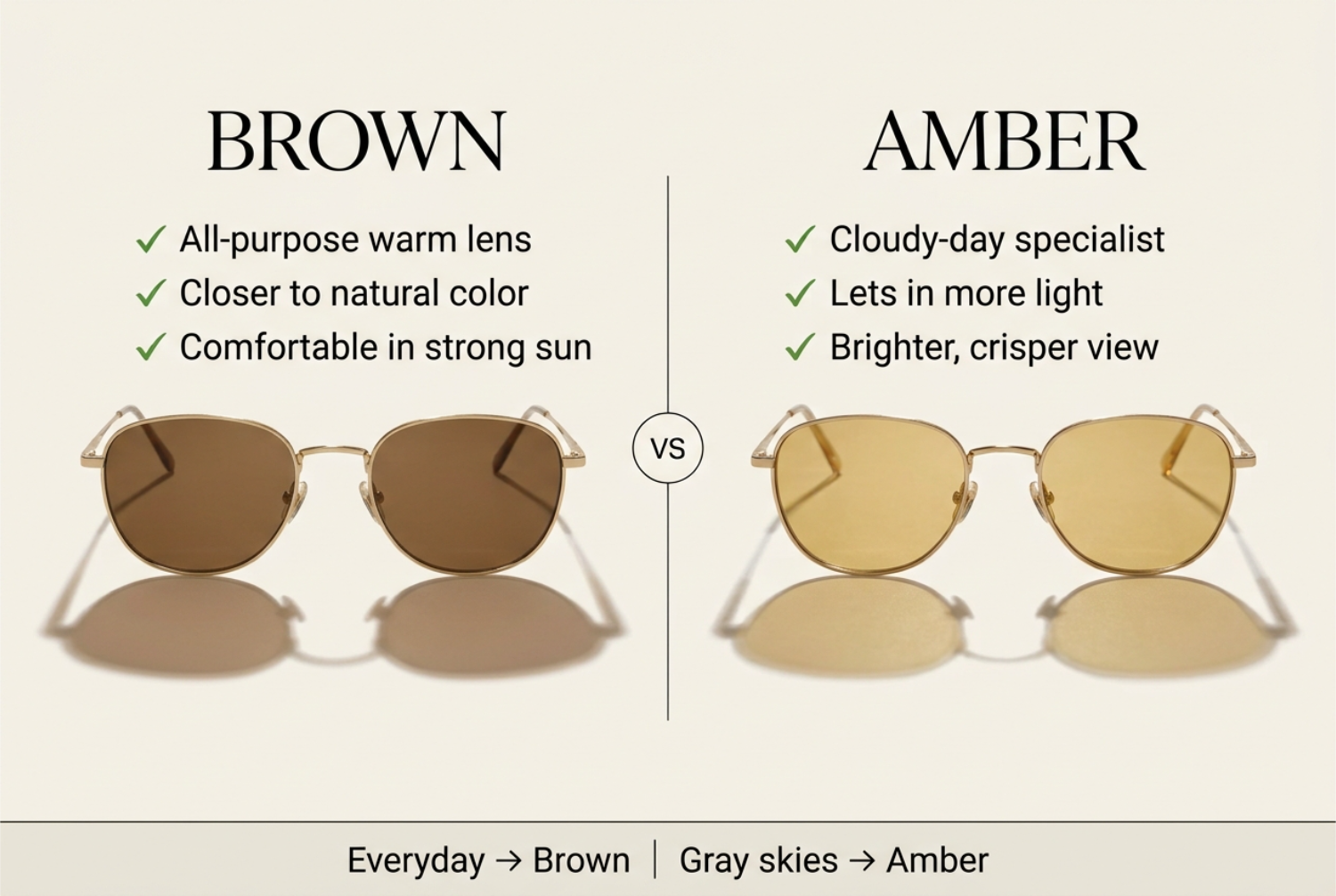
Short answer: Brown is the better all-purpose warm lens. Amber is the better cloudy-day lens.
Both filter blue light, but amber lets in more light and adds a stronger orange cast. Brown is darker and closer to natural color, so it stays comfortable as the sun gets stronger.
Gray vs Green Lenses
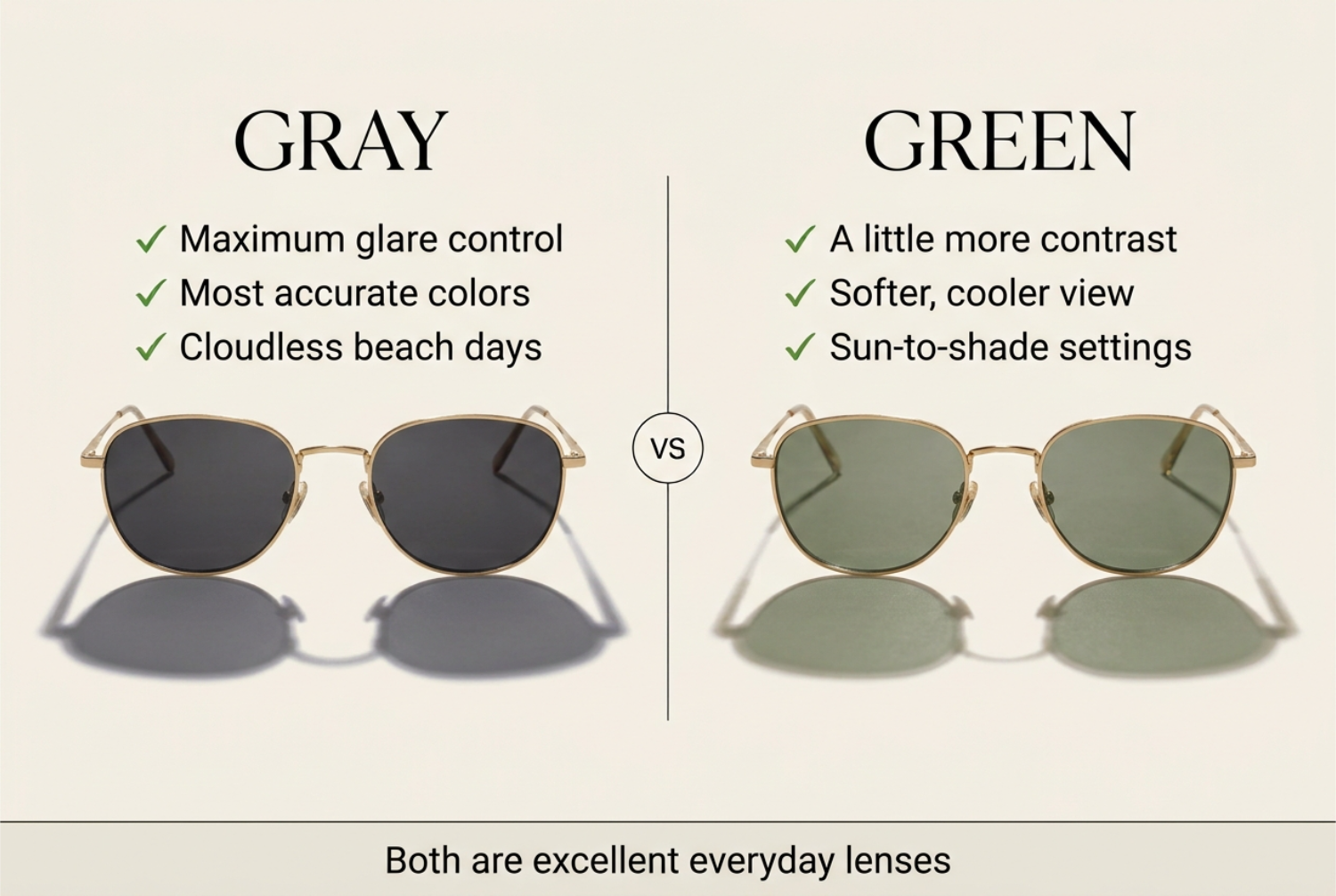
Short answer: Gray offers maximum glare control and color accuracy. Green adds slightly more contrast with a softer, cooler view.
Both are excellent everyday tints. Green, including the G-15 gray-green, handles moves between sun and shade a little more smoothly, while gray is marginally more restful on a cloudless beach day.
Brown vs Black Sunglasses
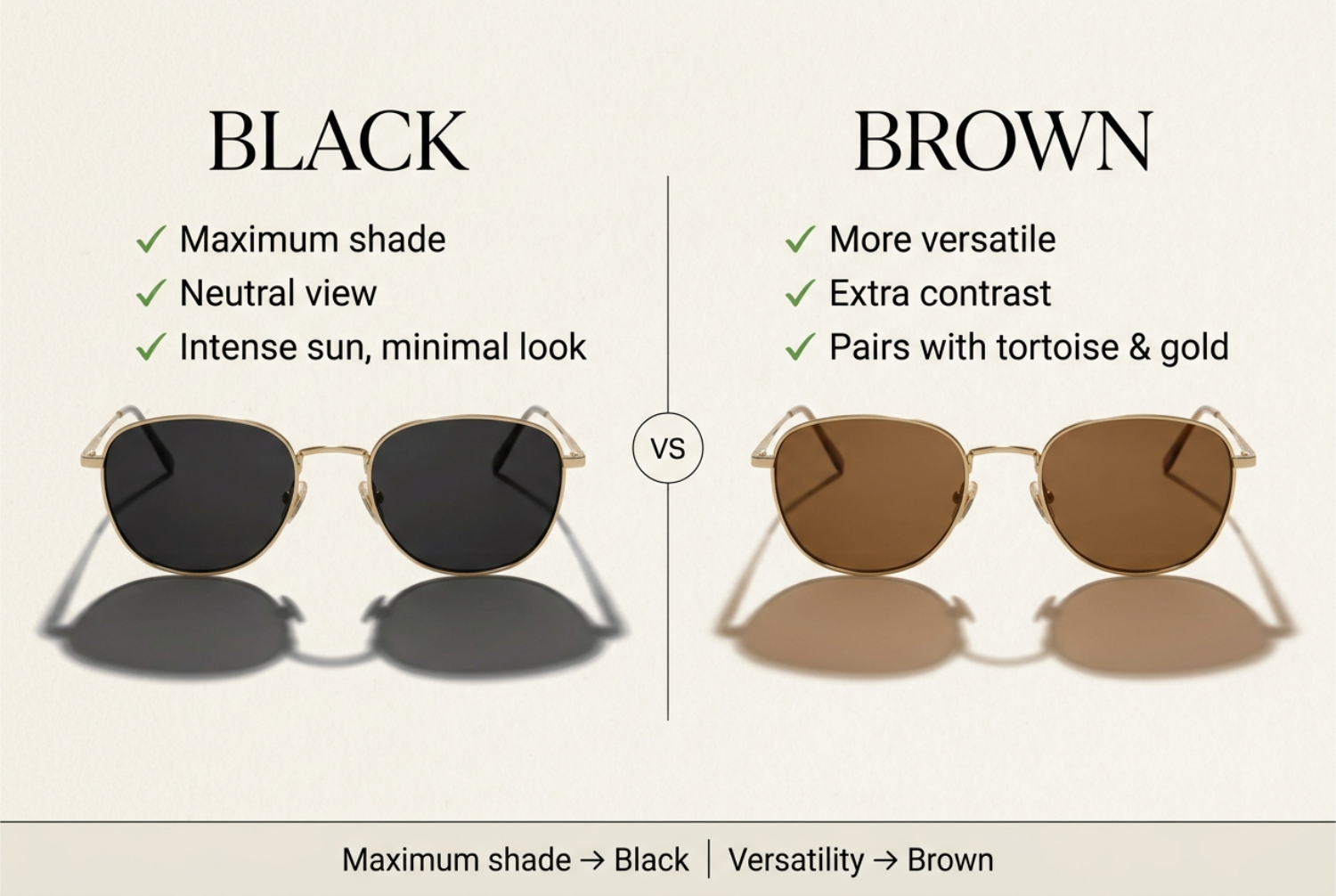
Short answer: Black lenses give the most shade and a neutral view. Brown lenses give more versatility and contrast.
"Black" lenses are very dark gray or smoke, so this is a choice between neutral and warm at the dark end of the scale. Black suits intense sun and a minimal look, and brown pairs well with tortoiseshell and gold frames.
Brown vs Green Lenses
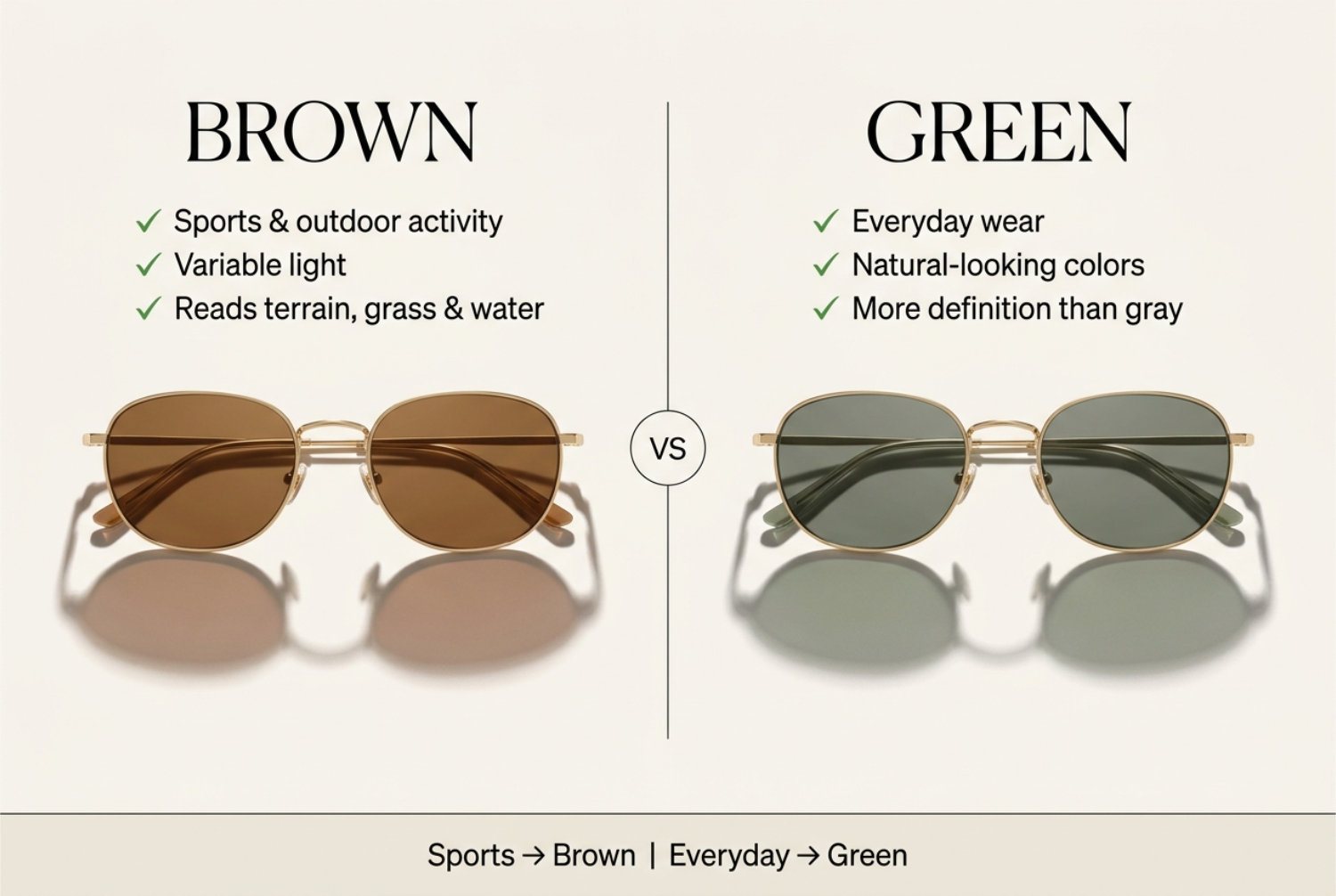
Short answer: Brown is better for sports and variable light. Green is better for natural-looking everyday wear.
Brown shifts colors warm and makes terrain, grass, and water easier to read. Green keeps colors closer to how they really look while still adding a little definition.
Pink vs Red Lenses
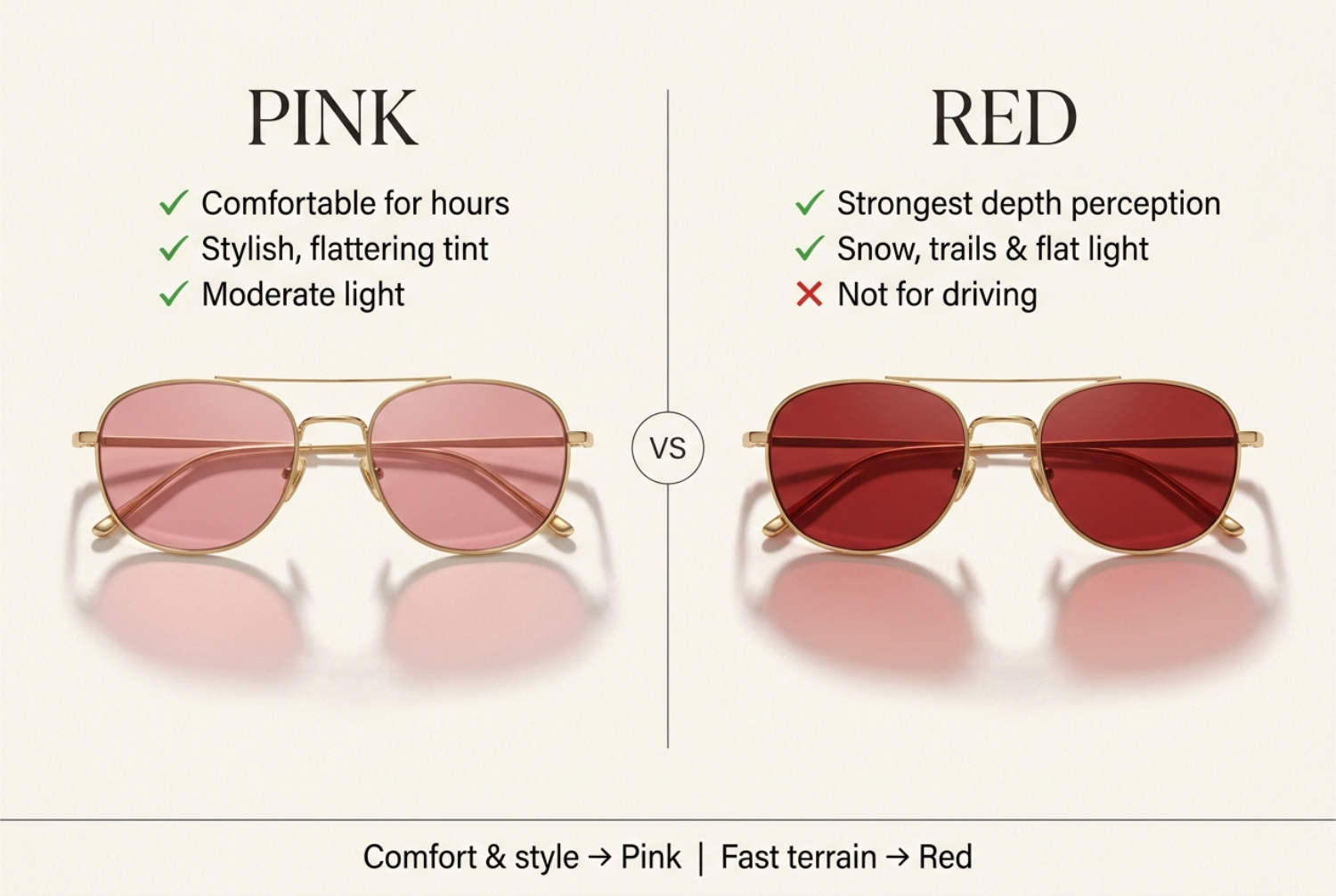
Short answer: Pink is better for comfort and style. Red is better for fast-changing terrain in flat light.
Pink and rose lenses are lighter and keep colors fairly recognizable. Red lenses are deeper, with stronger depth perception and more color distortion, and they should not be worn for driving.
Yellow vs Brown Lenses
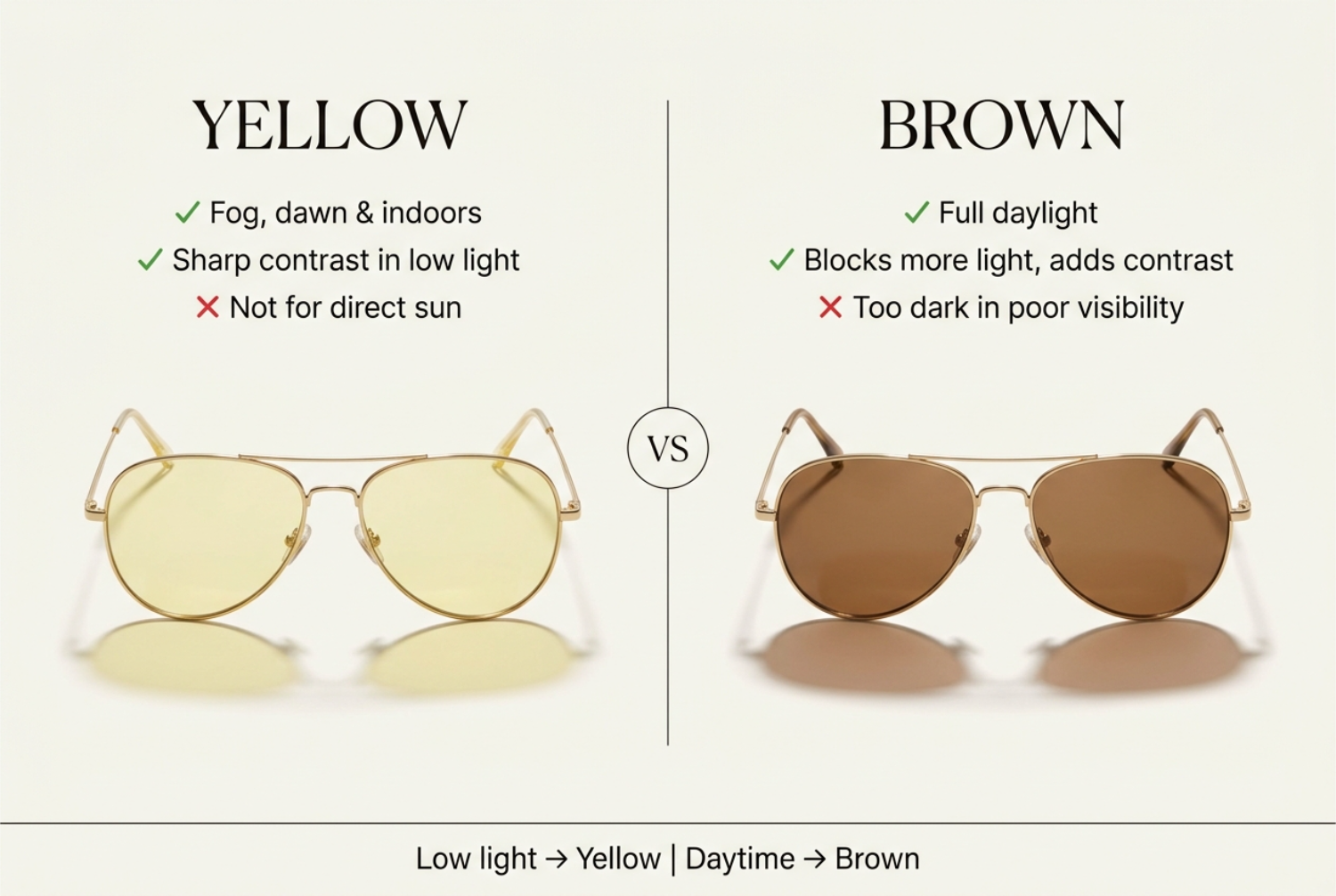
Short answer: Yellow is a low-light lens. Brown is a daytime lens.
Yellow lets in most available light and sharpens fog, dawn, and indoor scenes, but it does almost nothing in direct sun. Brown blocks far more light while still adding contrast, which makes it too dark when visibility is already poor.
How Dark Should Sunglasses Be? VLT and Lens Categories
For everyday sun, the American Optometric Association suggests lenses that screen out 75 to 90 percent of visible light. That works out to a VLT of roughly 10 to 25 percent, which covers the darker end of Category 2 and most of Category 3. Go lighter, into Category 1, only for cloudy days or dawn and dusk, and save Category 4 for snowfields and high altitude, since it is too dark for driving.
Product listings often describe darkness as a percentage "tint." An "80% tint" usually means the lens blocks about 80 percent of visible light, leaving around 20 percent VLT. These terms are not standardized, so the category number is the more reliable figure to compare. The AOA also recommends a uniform tint with no uneven patches, except on gradient lenses where the fade is intentional. If you want a quick way to judge whether a pair is worth the price, our guide on how to tell if sunglasses are good quality walks through the labels to look for.
Gradient vs Solid Lenses
A solid lens has the same tint from top to bottom, while a gradient lens fades from dark at the top to lighter at the bottom. Gradient lenses shade your eyes from overhead sun and keep the lower part of your view brighter, which helps with reading a phone, a menu, or a car dashboard. A double gradient, sometimes called a bi-gradient, is dark at both top and bottom with a lighter band in the middle, designed for beaches and snow where glare comes from below.
Two-toned lenses that fade between two colors, like gray into pink, work on the same principle while adding a fashion element. Solid lenses offer the most consistent protection and are the better choice for sports and water, since glare can hit the lower half of a gradient lens.
Polarized vs Tinted: How Lens Color and Polarization Work Together
Tint and polarization do different jobs. Tint, meaning the color, controls how much light reaches your eyes and how that light is filtered. Polarization is a separate filter layer that blocks horizontally reflected glare, the kind that bounces off water, wet roads, and car windshields. A lens can be tinted without being polarized, and polarized lenses come in every color, from gray to rose. Polarized gray and polarized brown are the most popular combinations because they pair strong glare blocking with either true color or extra contrast. Polarization on its own adds no UV protection, as Consumer Reports points out, so a polarized lens still needs a UV400 or 100% UV label.
Polarization has a few trade-offs. It can make phone screens, car displays, and some ATM screens look dark or show rainbow patterns, and some pilots and downhill skiers prefer non-polarized lenses so they can still spot reflections from instruments or icy patches. For picks by activity, browse our roundup of polarized sunglasses for every occasion.
Lens Layers and Coatings: What Sits on Top of the Color
A modern sunglass lens is built in layers, and the tint is only one of them. Understanding the rest helps explain why two lenses of the same color can perform very differently.
- Polarizing film: A filter layer sandwiched inside or bonded to the lens that blocks horizontal glare.
- UV filter: Built into the lens material or added as a coating; this is what provides UV400 protection, regardless of color.
- Mirror coating: A thin reflective layer on the front surface that reduces light reaching the eye and adds a colored or metallic look.
- Anti-reflective backside coating: Applied to the inner surface to stop light from behind you bouncing off the lens into your eyes.
- Hydrophobic and oleophobic coatings: Repel water, sweat, and skin oils so the lens stays clearer and wipes clean faster.
- Hard coat: A scratch-resistant layer, especially important on polycarbonate and mirrored lenses.
- Photochromic layer: Darkens in UV light and clears indoors. Most car windshields block UV, so photochromic lenses often darken less while you drive.
Frequently Asked Questions About Sunglass Lens Colors
Does lens color affect UV protection?
No. UV protection comes from filters built into the lens material or a coating, not from the tint color or how dark the lens looks. A pale rose lens labeled UV400 blocks the same UVA and UVB rays as a dark gray one. Look for "UV400" or "100% UVA/UVB" on the tag, temple, or product listing before you think about tint. A dark lens without that label may cut glare while giving your eyes little real protection.
What lens color is best for bright sunny days?
Gray is the best lens color for bright sunny days, ideally in Category 3 and polarized. It cuts brightness evenly, keeps colors accurate, and reduces the squinting that leads to eye strain. Green and dark brown are strong alternatives if you want a bit more contrast. For extreme brightness, like snowfields or glacier hikes, a mirrored Category 4 lens adds another layer of glare control, though it is too dark to drive in.
What color sunglasses are best for cloudy or overcast days?
Amber, rose, and light brown lenses work best on cloudy or overcast days. These warm tints filter out the scattered blue light that makes gray skies look flat, so edges, depth, and texture become easier to see. Choose a lighter Category 1 or 2 lens, since a dark Category 3 lens can make an already dim day feel gloomy. Yellow is the better choice when fog or heavy cloud makes visibility very low.
Are Category 5 sunglasses real?
No. International sunglass standards stop at Category 4, which covers lenses that let through only 3–8% of visible light. Anything sold as "Category 5" is a marketing label rather than an official rating. Category 4 lenses are already dark enough for glaciers, high-altitude climbing, and extreme snow glare, and they are not suitable for driving. For most people, a Category 3 lens is dark enough for everyday bright sun.
What sunglass lens color is best for blue eyes?
Gray and brown lenses in Category 3 are the most comfortable choices for blue eyes and other light eye colors. Lighter irises contain less pigment, so many people with blue, green, or gray eyes notice more sensitivity to bright light. A darker neutral or warm tint, ideally polarized, eases that discomfort. From a style point of view, brown and amber lenses also create a warm contrast that makes blue eyes stand out.
Do mirrored lenses change what color you see?
No. A mirror coating changes how the lens looks from the outside, but the color you see through it comes from the base tint underneath. A blue mirror lens is often gray inside, and a red mirror lens may be gray or brown. The coating mainly reduces the total light reaching your eyes. Check the product description for the base lens color to know what view you're actually getting.
Why does my phone screen look dark through my sunglasses?
Your sunglasses are almost certainly polarized. Phone, car, and laptop screens use polarizing filters of their own, and when the two filters line up at a certain angle, the screen looks dark or shows rainbow patches. Tilting your head or turning the phone sideways usually fixes it. The lens color plays no role, so the same thing happens with polarized gray, brown, or rose lenses.