
June 3, 2026
HOW MINERAL SUNSCREEN WORKS
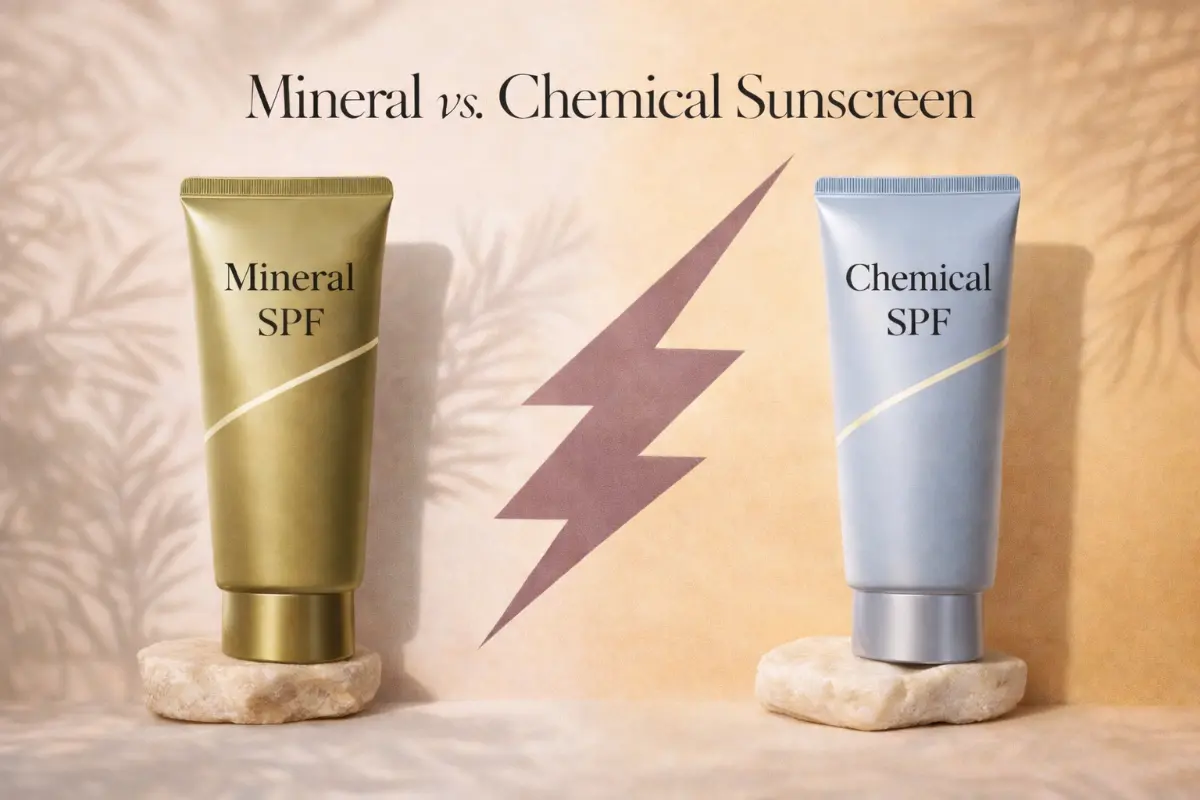
Mineral sunscreens contain two FDA-approved active ingredients: zinc oxide and titanium dioxide. These natural minerals create a physical barrier on your skin's surface that reflects and scatters UV rays before they can penetrate.
Think of it like wearing a tiny mirror on your skin. When UV rays hit the mineral particles, they bounce off rather than being absorbed. This is why mineral sunscreens start working immediately upon application - no waiting period required.
Key characteristics of mineral sunscreen:
- Active ingredients: Zinc oxide, titanium dioxide, or both
- Works instantly upon application
- Sits on top of the skin rather than absorbing
- Generally gentler on sensitive skin
- Considered reef-safe (no oxybenzone or octinoxate)
- May leave a white cast, especially on darker skin tones
- Tends to have thicker texture
The FDA currently recognizes zinc oxide and titanium dioxide as the only two sunscreen ingredients that are "generally recognized as safe and effective" (GRASE). This designation means there's enough safety data to confirm they don't pose health risks when used as directed.
HOW CHEMICAL SUNSCREEN WORKS
Chemical sunscreens use carbon-based (organic) compounds that absorb into the top layer of your skin. When UV rays hit your skin, these ingredients absorb the radiation, convert it into heat, and release it from your body.
Common chemical sunscreen ingredients include avobenzone (excellent UVA protection), homosalate, octisalate, octocrylene, and oxybenzone. Most chemical formulas combine several of these filters to achieve broad-spectrum protection against both UVA and UVB rays.
Key characteristics of chemical sunscreen:
- Active ingredients: Avobenzone, homosalate, octisalate, octocrylene, oxybenzone, octinoxate
- Needs 15-20 minutes to absorb before sun exposure
- Lightweight, often invisible on skin
- No white cast on any skin tone
- Easier to blend and layer under makeup
- May cause irritation for sensitive skin types
- Some ingredients are being studied for potential health and environmental effects
The FDA has requested additional safety data on 12 chemical sunscreen ingredients. This doesn't mean they're unsafe - it means the agency wants more research to confirm long-term safety with modern usage patterns (daily application vs. occasional use).
CHEMICAL VS MINERAL SUNSCREEN: QUICK COMPARISON
WHAT ABOUT HYBRID SUNSCREENS?
Hybrid sunscreens combine both mineral and chemical UV filters in one formula. The goal? Give you the best of both worlds - the gentleness and immediate protection of minerals with the lightweight, invisible finish of chemical filters.
These combination formulas have become increasingly popular because they often provide superior broad-spectrum protection while minimizing the downsides of each type. For example, a hybrid might use zinc oxide for its excellent UVA protection while adding chemical filters to boost SPF and improve the texture.
Popular hybrid sunscreen
CeraVe Hydrating Sheer Sunscreen
.webp)
FDA GUIDELINES & SAFETY: WHAT YOU NEED TO KNOW
The FDA regulates sunscreens as over-the-counter drugs in the United States, which means they're held to stricter standards than cosmetics. Here's the current regulatory landscape:
GRASE Status (Generally Recognized as Safe and Effective):
- ✓ Zinc oxide - CONFIRMED safe and effective
- ✓ Titanium dioxide - CONFIRMED safe and effective
- ✗ Aminobenzoic acid (PABA) - NOT safe
- ✗ Trolamine salicylate - NOT safe
- ? 12 other chemical filters - MORE DATA NEEDED
The 12 ingredients pending additional data: Avobenzone, cinoxate, dioxybenzone, ensulizole, homosalate, meradimate, octinoxate, octisalate, octocrylene, oxybenzone, padimate O, and sulisobenzone.
Important context: "More data needed" doesn't mean "unsafe." It means the FDA wants updated research reflecting how people actually use sunscreen today (daily facial application year-round vs. occasional beach use). Many dermatologists continue recommending chemical sunscreens because sun protection is proven to reduce skin cancer risk.
December 2025 Update: The FDA proposed adding bemotrizinol as a new approved sunscreen ingredient - the first new filter since 1999. This ingredient has been used safely in Europe and Asia for years and offers excellent broad-spectrum protection with minimal skin absorption.
WHO SHOULD USE MINERAL SUNSCREEN?
Mineral sunscreen is generally the better choice if you:
- Have sensitive skin that reacts to chemical ingredients
- Experience rosacea, eczema, or acne (zinc oxide is anti-inflammatory)
- Are pregnant or breastfeeding (fewer absorption concerns)
- Have recently had a cosmetic procedure (laser, peel, microneedling)
- Are applying sunscreen on babies or young children
- Want reef-safe sun protection for ocean activities
- Prefer immediate protection without waiting
- Have concerns about chemical absorption into the bloodstream
The zinc oxide in mineral sunscreens is naturally anti-inflammatory and can actually help calm irritated skin. Dermatologists frequently recommend mineral formulas for patients with compromised skin barriers or chronic skin conditions.
WHO SHOULD USE CHEMICAL SUNSCREEN?
Chemical sunscreen is generally the better choice if you:
- Have darker skin tones and want to avoid white cast
- Wear makeup daily and need a smooth base
- Live an active lifestyle with lots of sweating
- Prefer lightweight, invisible formulas
- Find mineral sunscreens too thick or chalky
- Need water-resistant protection for swimming
- Want easier reapplication throughout the day
Chemical sunscreens have come a long way in terms of formulation. Many newer versions skip the most concerning ingredients (oxybenzone, octinoxate) while still delivering that lightweight, cosmetically elegant finish that makes daily wear effortless.
BEST MINERAL SUNSCREENS For Face
EltaMD UV Clear Broad-Spectrum SPF 46 - Best for Sensitive & Acne-Prone Skin
This recommendation includes a Creator Connections partnership.
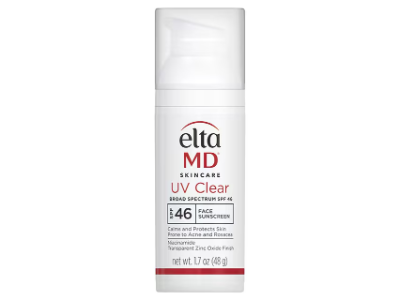
EltaMD UV Clear is the gold standard for sensitive and acne-prone skin. This dermatologist-favorite combines zinc oxide with niacinamide to calm redness and inflammation while providing reliable broad-spectrum protection. The oil-free, fragrance-free formula won't clog pores or trigger breakouts, and it layers beautifully under makeup. It's a hybrid formula (zinc oxide + octinoxate), so you get mineral benefits with a more elegant finish.
This product is also featured in our Best Sunscreens for Men guide, where you can see more options for every skin type and need.
La Roche-Posay Anthelios Mineral Tinted Sunscreen SPF 50 - Best Tinted Mineral
.webp)
La Roche-Posay's tinted mineral formula is perfect for anyone who wants sun protection with a hint of coverage. The 100% mineral formula uses titanium dioxide to provide broad-spectrum SPF 50 protection, while the tint helps even out skin tone and minimize the white cast that plagues many mineral sunscreens. Now available in four shades to suit more skin tones. Lightweight, fragrance-free, and water-resistant for 40 minutes.
BEST MINERAL SUNSCREENS FOR FACE & BODY
Blue Lizard Sensitive Mineral Sunscreen SPF 50+ - Best Budget Mineral
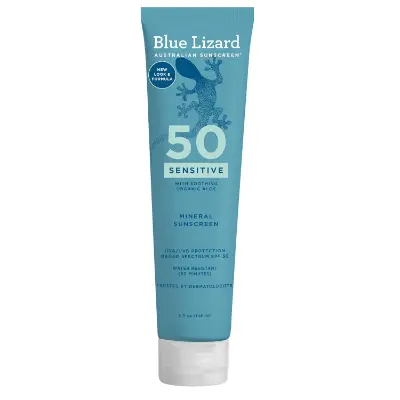
Blue Lizard has been trusted by dermatologists for over 20 years, and their Sensitive formula is a fantastic option for full-body mineral protection. The 100% mineral formula uses both zinc oxide and titanium dioxide to block 98% of UVB rays. Infused with soothing aloe vera and free from fragrances and parabens, it's gentle enough for the whole family. The clever Smart Cap technology changes color in UV light to remind you when protection is needed. For more family-friendly options, check out our guide to the best sunscreens for babies and kids.
Badger Adventure Sport Mineral Sunscreen SPF 50 - Best Reef-Safe Mineral
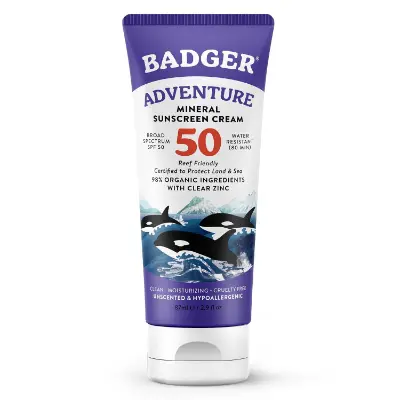
If you're serious about clean, eco-conscious sun protection, Badger is hard to beat. This reef-safe formula contains just four simple ingredients: non-nano zinc oxide, organic sunflower oil, organic beeswax, and vitamin E. The 25% zinc oxide concentration provides maximum protection, and the 98% organic formula is certified by NSF and the Natural Products Association. Made with 100% solar power by a women-owned family business in New Hampshire. Perfect for ocean lovers, outdoor adventurers, and anyone who wants the purest mineral protection available.
BEST CHEMICAL SUNSCREENS FOR FACE
Supergoop! Unseen Sunscreen SPF 40 - Best Invisible Chemical Sunscreen
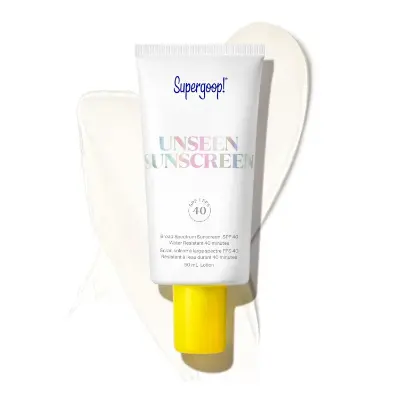
Supergoop! Unseen Sunscreen is the cult-favorite that converted countless sunscreen skeptics. This completely invisible gel formula feels like nothing on your skin - no white cast, no greasy residue, no heavy feeling. It doubles as a makeup primer with a velvety finish that keeps foundation in place all day. The oil-free, fragrance-free formula works for all skin types and tones. If you've ever complained that you "hate how sunscreen feels," this is the one to try.
Neutrogena Invisible Daily Defense Face Sunscreen SPF 60 - Best Drugstore Chemical
.webp)
Neutrogena's Invisible Daily Defense is the budget-friendly alternative to Supergoop that delivers similar results. This lightweight serum absorbs quickly into skin without leaving a greasy or sticky residue. The SPF 60 provides excellent protection, and the non-comedogenic formula won't cause breakouts. It layers beautifully under makeup and doesn't pill or ball up. At under $15, it's an easy addition to your daily routine.
BEST CHEMICAL SUNSCREENS FOR BODY
Coppertone Sport Sunscreen Lotion SPF 50 - Best Sport Chemical Sunscreen
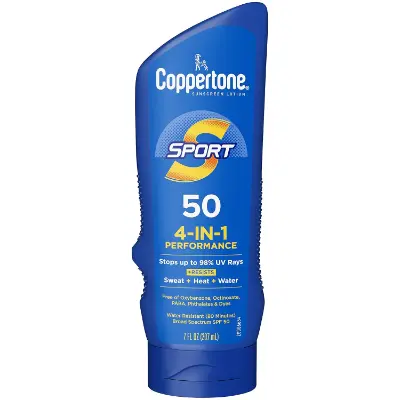
Coppertone Sport has been protecting active people for over 75 years, and this formula delivers reliable, durable coverage for any outdoor activity. The SPF 50 broad-spectrum protection stays put through 80 minutes of swimming or sweating, so you stay protected during your workout, game, or beach day. The moisturizing formula includes vitamin E and won't run into your eyes. Oxybenzone-free and available everywhere.
Banana Boat Sport Ultra SPF 50 Lotion - Best Value Chemical Sunscreen
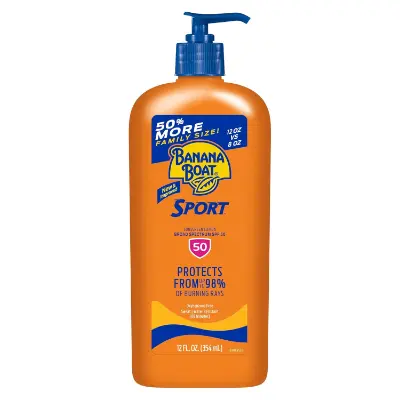
Banana Boat Sport Ultra delivers serious sun protection at a family-friendly price. This SPF 50 formula provides 80 minutes of water resistance and absorbs quickly without leaving a greasy residue. The improved formula rubs in clear across all skin tones and includes aloe and vitamin E to nourish skin. At under $1.50 per ounce, you can apply generously without worrying about running out.
ALL PRODUCTS AT A GLANCE
HOW TO APPLY SUNSCREEN CORRECTLY
No matter which type you choose, proper application is key to getting the protection promised on the label:
Amount: Use about a nickel-sized amount for your face and a shot glass (1 oz) for your entire body. Most people only apply 25-50% of what they should.
Timing: Chemical sunscreens need 15-20 minutes to absorb before sun exposure. Mineral sunscreens work immediately but still benefit from settling into skin before you start sweating.
Reapplication: Reapply every 2 hours when outdoors, and immediately after swimming, sweating, or toweling off, even if your sunscreen claims water resistance.
Don't forget: Ears, back of neck, tops of feet, and hairline are commonly missed spots. And yes, you need sunscreen on cloudy days - up to 80% of UV rays penetrate clouds.
For easy on-the-go reapplication, consider adding a sunscreen stick to your routine. They're mess-free and perfect for touch-ups over makeup.
Frequently Asked Questions About Chemical and Mineral Sunscreen
Is mineral or chemical sunscreen better?
Neither is universally "better" - it depends on your skin type and preferences. Mineral sunscreens are gentler on sensitive skin and work immediately, making them ideal for children, post-procedure skin, and reef-conscious users. Chemical sunscreens are lightweight, invisible, and better for daily wear under makeup. The best sunscreen is the one you'll actually use every day.
Is chemical sunscreen bad for you?
Chemical sunscreens have been used safely for decades. While the FDA has requested additional safety data on certain chemical filters, this doesn't mean they're unsafe - it means the agency wants updated research. Many dermatologists continue recommending chemical sunscreens because proven sun protection outweighs theoretical concerns. If you're worried, choose formulas that skip oxybenzone and octinoxate.
Why does mineral sunscreen leave a white cast?
Zinc oxide and titanium dioxide are naturally white minerals. When applied to skin, they can leave a visible white or grayish tint, especially on medium to darker skin tones. Newer formulations use micronized particles and tints to minimize this effect. Look for "sheer," "invisible," or "tinted" mineral sunscreens if white cast is a concern.
Can I use chemical sunscreen on my face?
Yes, many chemical sunscreens are specifically formulated for facial use. Look for non-comedogenic (won't clog pores), oil-free formulas designed for face application. Products like Supergoop! Unseen Sunscreen and Neutrogena Invisible Daily Defense are popular face-specific chemical options. If you have sensitive skin, a mineral or hybrid formula may be gentler.
What is a hybrid sunscreen?
Hybrid sunscreens combine both mineral and chemical UV filters in one formula. They aim to provide the gentle, immediate protection of minerals with the lightweight, invisible finish of chemical filters. Example include CeraVe Hydrating Sheer Sunscreen. Hybrids can be a good compromise if you want some mineral protection without full white cast.
Is mineral sunscreen better for acne-prone skin?
Generally, yes. Zinc oxide has natural anti-inflammatory and antimicrobial properties that can actually help calm acne-prone skin. Mineral sunscreens are also less likely to cause the irritation or clogged pores that some chemical filters can trigger. Look for oil-free, non-comedogenic mineral formulas labeled for acne-prone skin.
Do I need to wait to apply makeup after sunscreen?
For chemical sunscreens, wait 15-20 minutes for full absorption before applying makeup. Mineral sunscreens work immediately but benefit from a few minutes to set. Many sunscreens now double as primers - products like Supergoop! Unseen and La Roche-Posay Anthelios Mineral Tinted are designed to layer seamlessly under makeup.
Are chemical sunscreens reef safe?
Not all of them. Oxybenzone and octinoxate have been shown to contribute to coral bleaching and are banned in places like Hawaii, Key West, and Palau. However, many chemical sunscreens now skip these ingredients.. Look for "reef-safe" or "reef-friendly" on the label. When in doubt, choose a mineral sunscreen with zinc oxide or titanium dioxide for ocean activities.
THE BOTTOM LINE
The mineral vs. chemical sunscreen debate doesn't have a clear winner because both types effectively protect against UV damage when used correctly. Mineral sunscreens are the go-to for sensitive skin, babies, and eco-conscious users who don't mind a bit of white cast. Chemical sunscreens win for everyday elegance, invisible finish, and easy layering under makeup.
The most important thing? Wearing sunscreen daily and reapplying every two hours when you're in the sun. Skin cancer is the most common cancer in the United States, and consistent SPF use is one of the simplest ways to reduce your risk while keeping your skin looking young.
Choose the formula that feels good on your skin, fits your lifestyle, and most importantly, that you'll actually use every single day.