
July 20, 2026
What Is Water-Resistant Sunscreen?
Water-resistant sunscreen is formulated to maintain its SPF protection while you're splashing around in the water or sweating through your workout. Unlike regular sunscreen that can rinse off the second you hit the pool, these formulas contain special film-forming ingredients that create a water-repellent barrier on your skin.
The key difference? Regular sunscreen starts breaking down immediately when exposed to water or sweat. Water-resistant formulas are designed to stay put, but they're not invincible. According to FDA testing standards, water-resistant sunscreens must retain at least 50% of their stated SPF after water immersion for the rated time period.
Waterproof vs. Water-Resistant: Let's Set the Record Straight
Real talk: if you see a sunscreen claiming to be "waterproof," run the other way. The FDA banned that term in 2011 because it's straight-up misleading. No sunscreen is truly impervious to water, eventually, it all washes off.
Here's what the labels actually mean:
- Water-resistant (40 minutes): Maintains its SPF protection for 40 minutes while you're in the water or sweating
- Very water-resistant (80 minutes): Maintains its SPF protection for 80 minutes while you're in the water or sweating
If you’re planning long swim sessions, beach days, or intense outdoor workouts, browse our editor-tested picks for the best waterproof sport sunscreens designed to hold up through heat, sweat, and movement.
One thing to keep in mind: this testing happens in controlled lab conditions with still water, not ocean waves crashing over you or pool water with kids splashing everywhere. And here's the kicker: toweling off removes protection regardless of what the rating says. So even if your sunscreen is rated for 80 minutes, if you dry off with a towel after 20 minutes, you're starting from scratch.
The Science Behind Water-Resistant Sunscreen
Ever wonder how these formulas actually stay on your skin? It's all about the ingredients that form a water-repellent mesh:
- Film-forming polymers (like acrylates copolymer and VP/Eicosene copolymer) create a flexible, protective layer
- Silicones (dimethicone, cyclopentasiloxane) form a water-resistant barrier that locks in the UV filters
- Natural waxes (beeswax, carnauba wax) add extra adhesion to help the formula stick
- Hydrophobic agents that literally repel water molecules away from your skin
The 50% Rule is key here: to earn that water-resistant label, sunscreens must retain at least 50% of their SPF protection after the rated time period in water. So an SPF 50 sunscreen rated for 80 minutes should still provide at least SPF 25 protection after 80 minutes of swimming.
Mineral vs. Non-Mineral Water-Resistant Sunscreen
Wondering which type is better for your beach days? Here's the breakdown:
Bottom line? Both can be equally water-resistant when formulated properly. It really comes down to your skin type, preferences, and whether you're swimming somewhere with reef-safe requirements.
When You Should Use Water-Resistant Sunscreen
Anytime water or sweat is involved, you need to level up from regular sunscreen. That includes:
- Swimming (pool, ocean, lake—any body of water)
- Water sports (surfing, kayaking, paddleboarding, snorkeling)
- Outdoor exercise (running, hiking, cycling, tennis)
- High-humidity environments where you're constantly sweating
- Beach or pool days (even if you're just lounging—sweat happens!)
- Hot weather activities of any kind
How to Choose the Right Water-Resistant Sunscreen
Shopping for sunscreen can feel overwhelming with all those labels and claims. Here's what actually matters:
Check the Label For:
- SPF 30 or higher (AAD recommendation—anything above 50 offers minimal extra protection)
- Broad spectrum (protects against both UVA aging rays and UVB burning rays)
- Water resistance time (go for 80 minutes if you're actually swimming)
- Hawaii Act 104 compliant if you're traveling to Hawaii or other reef-protected areas
Choose Your Format:
- Lotion/Cream: Best overall coverage—you can actually see where you've applied
- Spray: Quick application, great for reapplying (but always rub it in!)
- Stick: Perfect for face, ears, around eyes—mess-free touch-ups
- Gel: Lightweight, excellent for oily or acne-prone skin
Best Water-Resistant Sunscreens for Body
1. EltaMD UV Sport Sunscreen Lotion SPF 50
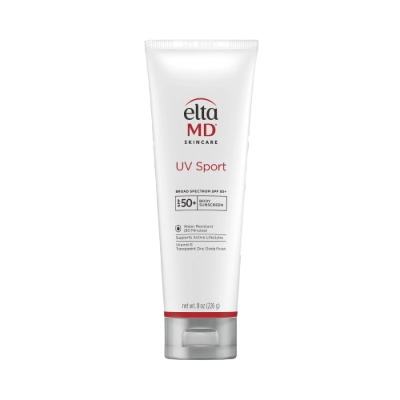
If your dermatologist hasn't already recommended EltaMD, they probably will. This hybrid formula (zinc oxide plus other filters) is the gold standard for athletes who need serious protection without the drama. It won the Golf Digest 2022 Editor's Choice Award for Best Sunscreen - and golfers know a thing or two about spending hours in the sun.
Real Users Review Summary ★★★★★
This is the holy grail for contact lens wearers and anyone who's ever had sunscreen drip into their eyes during a workout. Reviewers love that it stays put for hours, whether golfing in Florida sun or hiking in Arizona heat, without feeling heavy or greasy. Fair-skinned users especially appreciate the powerful protection and comfortable wear. One reviewer noted they went on a 7-day beach vacation sunburn-free thanks to this formula.
2. Onsart Reef Safe Mineral Sunscreen Spray SPF 50+ (2 Pack)
This recommendation includes a Creator Connections partnership.
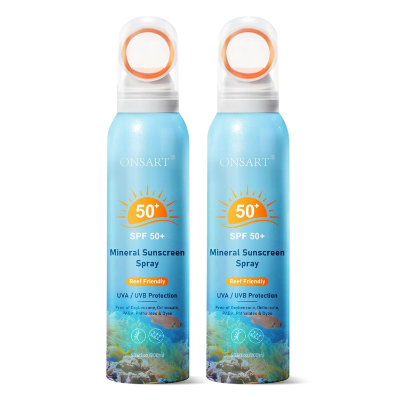
Looking for serious protection without harming the ocean? This reef-safe mineral spray delivers SPF 50+ with zinc oxide while being completely free of oxybenzone and octinoxate. The spray format makes reapplication a breeze, especially on hard-to-reach spots.
Real Users Review Summary ★★★★★
Ocean lovers appreciate finally having a mineral spray that's truly reef-safe. The two-pack offers great value for families, and the spray format makes it easy to cover large areas quickly. Users note it's lightweight enough for daily use but tough enough for beach days. Just remember to rub it in after spraying for even coverage.
3. Blue Lizard Sport Mineral SPF 50 Lotion
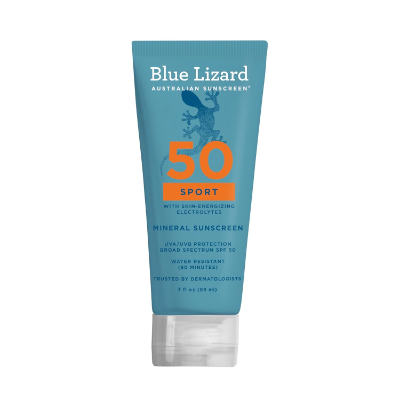
Blue Lizard has been a dermatologist favorite for over 20 years and their Sport formula is built for serious athletes. The 100% mineral formula with zinc oxide and titanium dioxide provides broad spectrum protection, plus it's loaded with skin-energizing electrolytes. The Smart Cap technology that turns blue in UV light is a genius reminder to apply.
Real Users Review Summary ★★★★★
Whether you're scoring goals or catching waves, reviewers love that this formula protects from 98% of UVB rays while staying put during intense activity. The vegan formula is a hit with eco-conscious athletes, and the skin-energizing electrolytes are a nice bonus. Parents appreciate the Smart Cap reminder, and dermatologists have trusted Blue Lizard for over 20 years.
Best Water-Resistant Sunscreens for Face
1. La Roche-Posay Anthelios Light Fluid Facial Sunscreen SPF 60
.webp)
This multi-award winning facial sunscreen has been a cult favorite for years and for good reason. The ultra-light fluid texture absorbs instantly without any white cast, leaving a matte finish that works perfectly under makeup. Formulated with Cell-Ox Shield technology for both UV protection and antioxidant defense.
Real Users Review Summary ★★★★★
Users describe this as "the best sunscreen I've ever used", it has a light, milky consistency that goes on smoothly without making skin oily or causing breakouts. Reviewers with very sensitive skin love that it doesn't cause irritation, and the matte finish lasts for hours. Great for high UV days at the beach but lightweight enough for everyday wear. Works fantastic under makeup with no pilling.
2. ISDIN Eryfotona Actinica Zinc Oxide Mineral Sunscreen SPF 50+
.webp)
This one's a sleeper hit. ISDIN is huge in Europe and dermatologist offices, and it's finally getting the recognition it deserves stateside. The 100% mineral formula with 11% zinc oxide not only protects but actually helps repair existing sun damage thanks to DNA Repairsomes technology.
Real Users Review Summary ★★★★★
Dermatologists recommend this for patients with sun-damaged skin, and it shows. The silky, ultralight formula penetrates quickly without leaving a white cast, remarkable for a 100% mineral sunscreen. Users with precancerous spots and actinic keratosis trust this as their daily protection. The DNA Repairsomes technology is a game-changer for anyone concerned about past sun damage.
3. Shiseido Clear Sunscreen Stick SPF 50+
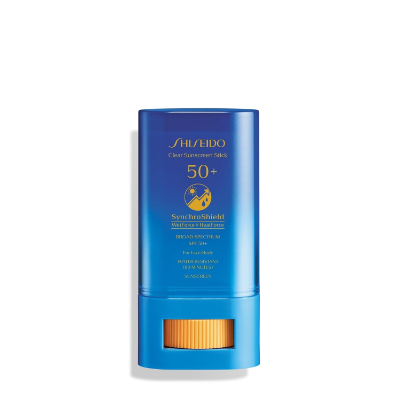
The #1 selling sunscreen stick in the US for good reason. This cult-favorite invisible stick can be applied over or under makeup - perfect for midday touch-ups. The SynchroShield technology actually gets stronger when it senses water and heat, making it ideal for active days.
For a deeper dive into the most effective formulas for on-the-go protection, explore our curated guide to the best sunscreen sticks for face and body.
Real Users Review Summary ★★★★★
Users rave about the truly invisible application - no residue, no white cast, just pure protection. The portable stick format is perfect for throwing in your purse or golf bag for touch-ups throughout the day. The SynchroShield technology that strengthens with water and heat has 87% of users saying it's more resistant to sweat than other sunscreens they've tried. Works beautifully over makeup without disturbing it.
Best Tinted Water-Resistant Sunscreens
1. Colorescience Total Protection Face Shield Flex SPF 50
.webp)
This is the sunscreen dermatologists keep in their own bags. Colorescience's Face Shield Flex is a splurge, but the EnviroScreen Technology protects against UV, blue light, and pollution, basically everything that ages your skin. The flexible tint adapts to your skin tone for a natural finish. If you’re specifically searching for complexion-perfecting SPFs, explore our curated edit of the best tinted sunscreens for more editor-approved favorites.
Real Users Review Summary ★★★★★
Users describe this as "the one" after trying dozens of face sunscreens. The flexible tint blends seamlessly without changing makeup colors, and provides enough coverage without looking heavy. Women with melasma report it's the only tinted SPF that provides adequate protection without causing breakouts. The EnviroScreen technology offers peace of mind for those concerned about blue light from screens.
2. La Roche-Posay Anthelios Ultra-Light Fluid SPF 40 (Tinted)
.webp)
This mineral tinted sunscreen with titanium dioxide gives you that coveted "no-makeup makeup" look while providing serious protection. The ultra-light fluid texture is fast-absorbing and leaves a natural, luminous finish, perfect for those who want coverage without the heaviness.
Real Users Review Summary ★★★★★
La Roche-Posay fans love this mineral option for its weightless feel and natural finish. The titanium dioxide provides reliable protection without any of the concerns some have about other UV filters. Users with sensitive and acne-prone skin appreciate that it doesn't cause breakouts. The matte finish controls oil throughout the day.
3. Live Tinted Hueguard Skin Tint SPF 50
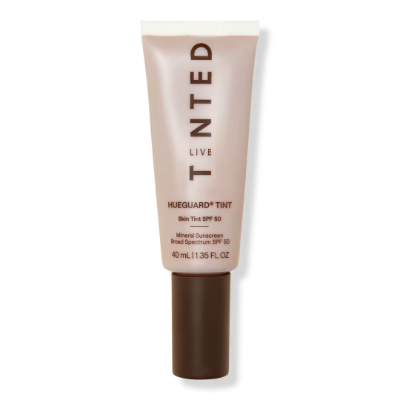
Finally, a tinted sunscreen that actually works for deeper skin tones. Live Tinted's Hueguard was designed with melanin-rich skin in mind, offering buildable coverage with a hydrating, radiant finish. The water and sweat-resistant formula stays put through humidity and activity. For a broader editor-approved roundup tailored specifically to richer complexions, explore our guide to the best tinted sunscreens for dark skin tones.
Real Users Review Summary ★★★★★
Users with deeper skin tones finally feel seen with this formula. Zero white cast, zero ashiness, just smooth, radiant coverage that actually matches. The hydrating finish is a hit for those with drier skin, and the 80-minute water resistance means it stays put through sweat and humidity. A true game-changer for anyone who's struggled to find a tinted SPF that works for their complexion.
Best Natural/Mineral Water-Resistant Sunscreens
1. Kokua Sun Care Hawaiian Sunscreen SPF 50
This recommendation includes a Creator Connections partnership.
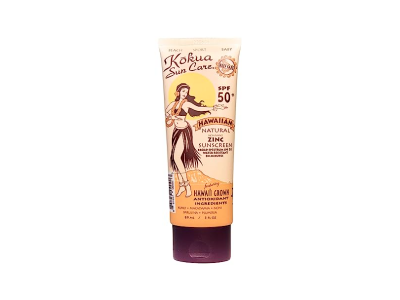
Made in Hawaii, for Hawaii and everywhere else you want reef-safe protection. Kokua uses zinc oxide and local ingredients to create a formula that protects both your skin and the ocean. This is what eco-conscious sun protection looks like. If ocean-friendly formulas are a priority, browse our curated edit of the best reef-safe sunscreens for more skin-and-sea-approved picks.
Real Users Review Summary ★★★★★
Ocean lovers and Hawaii travelers swear by Kokua for its truly reef-safe formula. Users appreciate that it's made in Hawaii with local ingredients and provides solid protection without harming marine life. The moisturizing formula feels good on skin and works for both face and body. If you're swimming in protected waters, this is the sunscreen to reach for.
2. Thrive Reef Safe Sunscreen SPF 50
This recommendation includes a Creator Connections partnership.
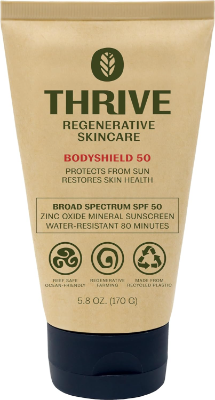
Thrive delivers serious protection with a clean, non-nano zinc oxide formula that's Hawaii 104 Reef Act compliant. The vegan formula is everything eco-conscious families want - effective protection without compromising ocean health.
Real Users Review Summary ★★★★★
Families love the larger size that lasts through vacation, and the Hawaii 104 compliance gives peace of mind when swimming in protected waters. The non-nano zinc sits on top of skin (as mineral sunscreens do), providing a visible barrier. Users appreciate the vegan formula and the fact that it's officially reef-safe, not just marketed as such.
3. Happy Ocean SPF 45 Biodegradable Reef Safe Sunscreen
This recommendation includes a Creator Connections partnership.
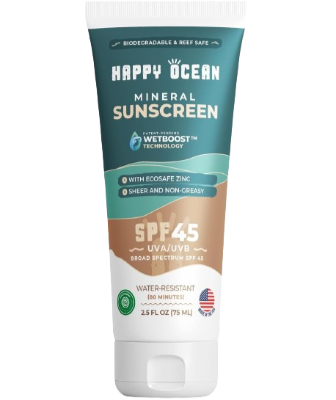
For the ultimate in eco-friendly protection, this biodegradable formula takes reef safety to the next level. The non-nano zinc oxide formula is fragrance-free, non-toxic, and organic - everything you want when you're being mindful of both your skin and the environment.
Real Users Review Summary ★★★★★
Eco-warriors love this formula for its truly clean ingredient list. The biodegradable formula means you can swim guilt-free, knowing the sunscreen breaks down naturally. Fragrance-free makes it ideal for sensitive skin, and the organic ingredients satisfy those who want the cleanest possible formula. Travel size is perfect for carry-on luggage.
Best Water-Resistant Sunscreens for Kids
1. La Roche-Posay Anthelios Kids Gentle Lotion SPF 50
.webp)
When it comes to kids, you don't mess around, and neither does La Roche-Posay. This pediatrician-tested formula is designed specifically for children's delicate skin with broad spectrum protection and antioxidants. Oxybenzone and octinoxate-free for peace of mind. For more gentle, dermatologist-approved options for little ones, explore our guide to the best sunscreens for babies and kids.
Real Users Review Summary ★★★★★
Parents trust La Roche-Posay for their kids' delicate skin. The gentle formula applies smoothly without the wrestling match that some thick mineral sunscreens require. Reviewers report their children stay burn-free even after hours of swimming and play. The larger size means you won't run out mid-vacation.
2. Mustela Baby Mineral Sunscreen Lotion SPF 50
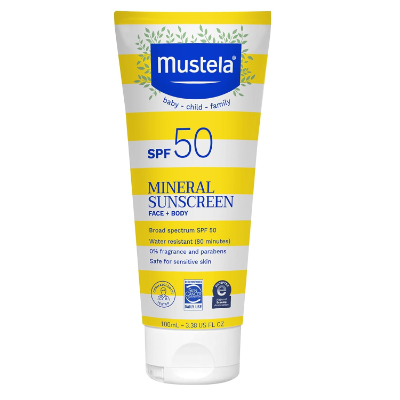
Mustela has been trusted by parents for baby skincare for decades, and their mineral sunscreen delivers the same gentle, effective protection. The fragrance-free formula is specially designed for sensitive baby skin from birth onwards.
Real Users Review Summary ★★★★★
Parents trust Mustela for their babies' delicate skin, and this sunscreen lives up to the brand's reputation. The mineral formula provides peace of mind, and the fragrance-free formula means no fussing during application. Users appreciate the family size option for all-day beach trips. Perfect for even the most sensitive baby skin.
3. Babo Botanicals Sensitive Baby Mineral Sunscreen SPF 50
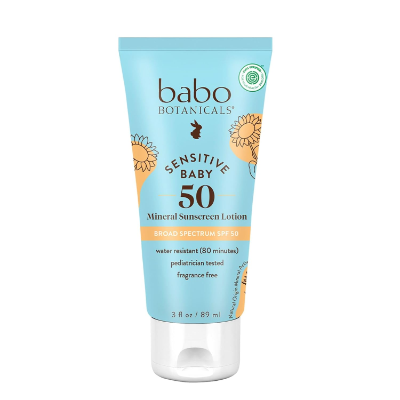
If you're the type to check the EWG ratings on everything (no judgment—we get it), Babo Botanicals consistently earns top marks. The natural zinc oxide formula is fragrance-free, vegan, and EWG Verified, as clean as baby sunscreen gets.
Real Users Review Summary ★★★★★
EWG-conscious parents love Babo Botanicals for its clean ingredient list and powerful protection. The natural zinc provides visible confirmation of coverage (hello, white cast), which some parents actually appreciate. Users report that their fair-skinned kids stay burn-free even on vacation. Great for families who prioritize non-toxic, vegan ingredients above all else.
Reef-Safe Water-Resistant Sunscreen: What You Need to Know
If you're swimming in the ocean, especially in places like Hawaii, Key West, or Palau, you need to know about reef-safe sunscreen. Approximately 14,000 tons of sunscreen enter our oceans annually, and certain ingredients have been linked to coral bleaching.
Ingredients to Avoid for Ocean Swimming:
- Oxybenzone (banned in Hawaii, Key West, Palau, US Virgin Islands)
- Octinoxate (banned in Hawaii, Palau)
- Octocrylene (under scrutiny)
- 4-methylbenzylidene camphor
How to Choose Reef-Safe:
- Look for 100% mineral (zinc oxide and/or titanium dioxide)
- Check for "non-nano" zinc (particles large enough not to be absorbed by coral)
- The "reef-safe" label isn't FDA-regulated - always check the ingredients
- Consider biodegradable formulas
- Pro tip: UPF rash guards reduce the amount of sunscreen you need
How to Apply Water-Resistant Sunscreen the Right Way
Before You Hit the Water:
- Apply 15-30 minutes BEFORE sun/water exposure (gives it time to bind to skin)
- Apply to COMPLETELY DRY skin, wet or sweaty skin = reduced adhesion
- Use enough: 1 oz (shot glass) for body, ½ teaspoon for face
- Don't forget: ears, back of neck, tops of feet, back of hands, hairline
When and How to Reapply:
- Reapply every 2 hours, even if you stay completely dry
- Reapply immediately after swimming, heavy sweating, or towel drying
- The water-resistance clock starts when you hit the water (40 or 80 minutes)
- Stick sunscreens are perfect for touch-ups on wet skin
Common Water-Resistant Sunscreen Mistakes
Even if you're using the best sunscreen money can buy, these mistakes will leave you burned:
- Applying too little — Most people use only 25-50% of what's actually needed
- Applying to wet or sweaty skin — Drastically reduces how well it sticks
- Assuming "water-resistant" = no reapplication needed — Still need to reapply every 2 hours
- Relying on spray alone without rubbing in — Patchy coverage is basically no coverage
- Using expired sunscreen — Check the dates; typically good 2-3 years from manufacture
- Skipping reapplication after toweling off — Toweling removes protection regardless of time remaining
- Thinking higher SPF means less reapplication — SPF 100 still needs reapplication every 2 hours
Water-Resistant Sunscreen Comparison Chart
Frequently Asked Questions
Is water-resistant sunscreen better than regular sunscreen?
For activities involving water or sweating - absolutely yes. Water-resistant formulas contain special film-forming ingredients that help them adhere to skin even when wet. For everyday use without water exposure, regular sunscreen works fine, but water-resistant won't hurt and gives you flexibility if you unexpectedly work up a sweat.
How to Remove Water-Resistant Sunscreen:
The same properties that make it stay on in water make it harder to wash off. Use the double-cleansing method:
- Start with an oil-based cleanser, micellar water, or cleansing balm
- Follow with your regular foaming or gel cleanser
- For body: use an oil-based body wash or pre-shower oil
How long does water-resistant sunscreen really last?
The FDA allows two water-resistance claims: 40 minutes or 80 minutes. This refers to how long the sunscreen maintains its SPF while you're in water or sweating heavily. However, you still need to reapply every 2 hours of overall sun exposure, regardless of the water-resistance rating. And remember: toweling off resets the clock entirely.
Can I swim immediately after applying water-resistant sunscreen?
For best protection, wait 15-30 minutes before getting in the water. This gives the formula time to properly bind to your skin. Apply to completely dry skin, wet or sweaty skin reduces adhesion significantly.
Why is there no "waterproof" sunscreen anymore?
The FDA banned the term "waterproof" in 2011 because it's misleading. No sunscreen is truly impervious to water, all sunscreens eventually wash off. The term "water-resistant" with specific time limits (40 or 80 minutes) is more accurate and honest.
Is mineral or non-mineral sunscreen better for swimming?
Both can be equally effective when properly formulated. Mineral sunscreens (zinc oxide/titanium dioxide) work immediately upon application and are generally better for sensitive skin and ocean swimming (reef-safe). Non-mineral sunscreens tend to be more cosmetically elegant with less white cast. Choose based on your skin type and where you'll be swimming.
Do I need to reapply after every swim?
Yes, you should reapply immediately after swimming, heavy sweating, or toweling off, even if you haven't hit the 40 or 80-minute mark yet. Toweling removes protection regardless of the water-resistance rating. When in doubt, reapply.
What does "reef-safe" actually mean?
Unfortunately, "reef-safe" isn't regulated by the FDA, so brands can use it loosely. Generally, it means the sunscreen doesn't contain oxybenzone and octinoxate - the two ingredients most linked to coral bleaching and banned in places like Hawaii. For true ocean safety, look for 100% mineral formulas with non-nano zinc oxide.
Can water-resistant sunscreen clog pores?
Some water-resistant formulas can be heavier due to the film-forming ingredients that help them stick. Look for labels that say "non-comedogenic" or "oil-free" if you're prone to breakouts. Many modern formulas are designed to be both water-resistant and lightweight.
The Bottom Line
When water and sweat are part of your day, regular sunscreen just won't cut it. Water-resistant formulas are designed to stay put when things get wet - but they're not magic. You still need to apply liberally (1 oz for body), wait before swimming (15-30 minutes), and reapply regularly (every 2 hours or immediately after toweling off).
For the best protection, match your sunscreen to your activity: 80-minute water resistance for serious swimmers and athletes, mineral formulas for ocean swimming and sensitive skin, and don't forget those often-missed spots like ears, feet, and the back of your neck.
The best sunscreen is the one you'll actually use correctly, so find a formula you love and make it part of your routine. Your future skin will thank you.