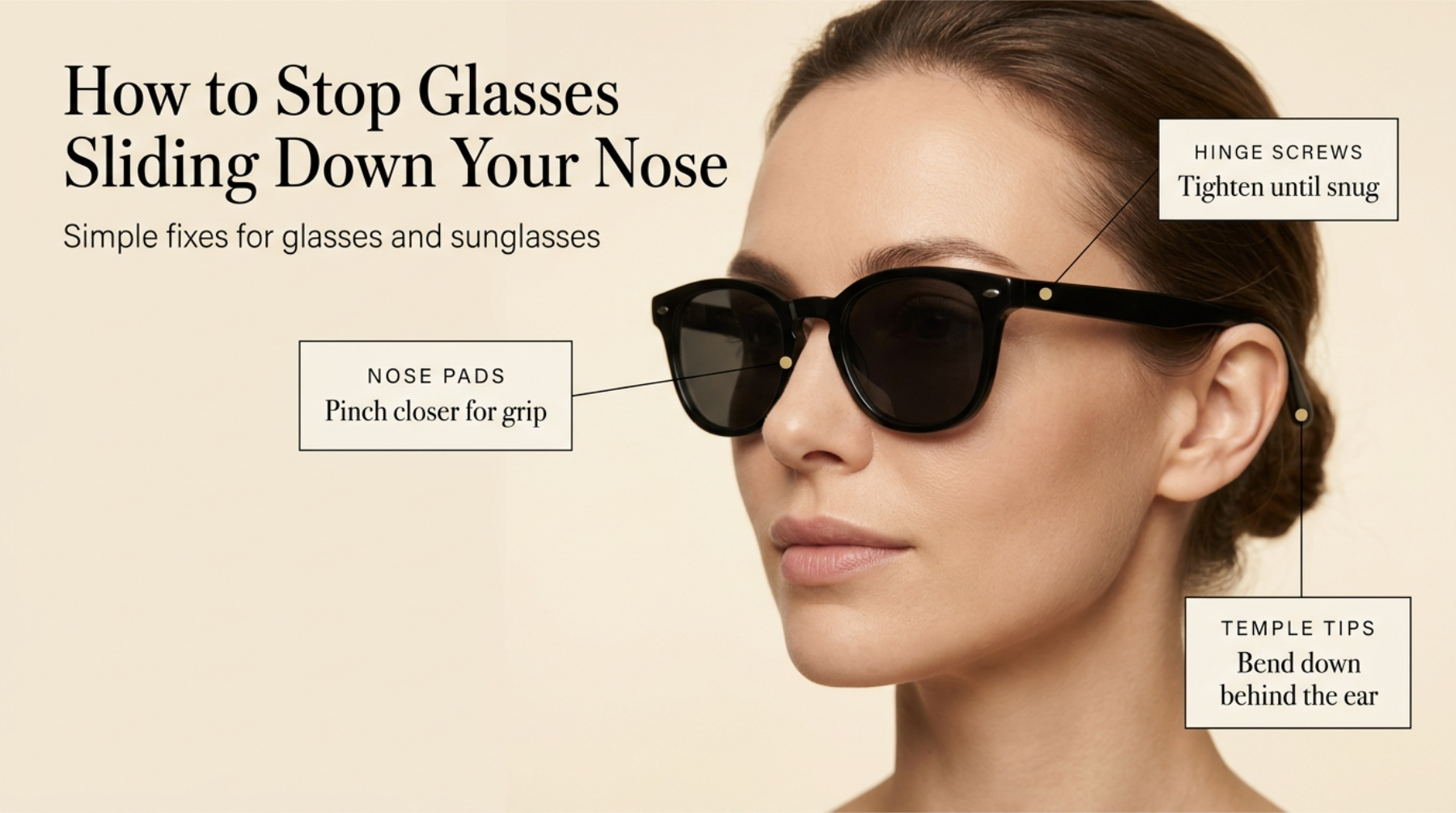
Why Glasses Slide Down Your Nose
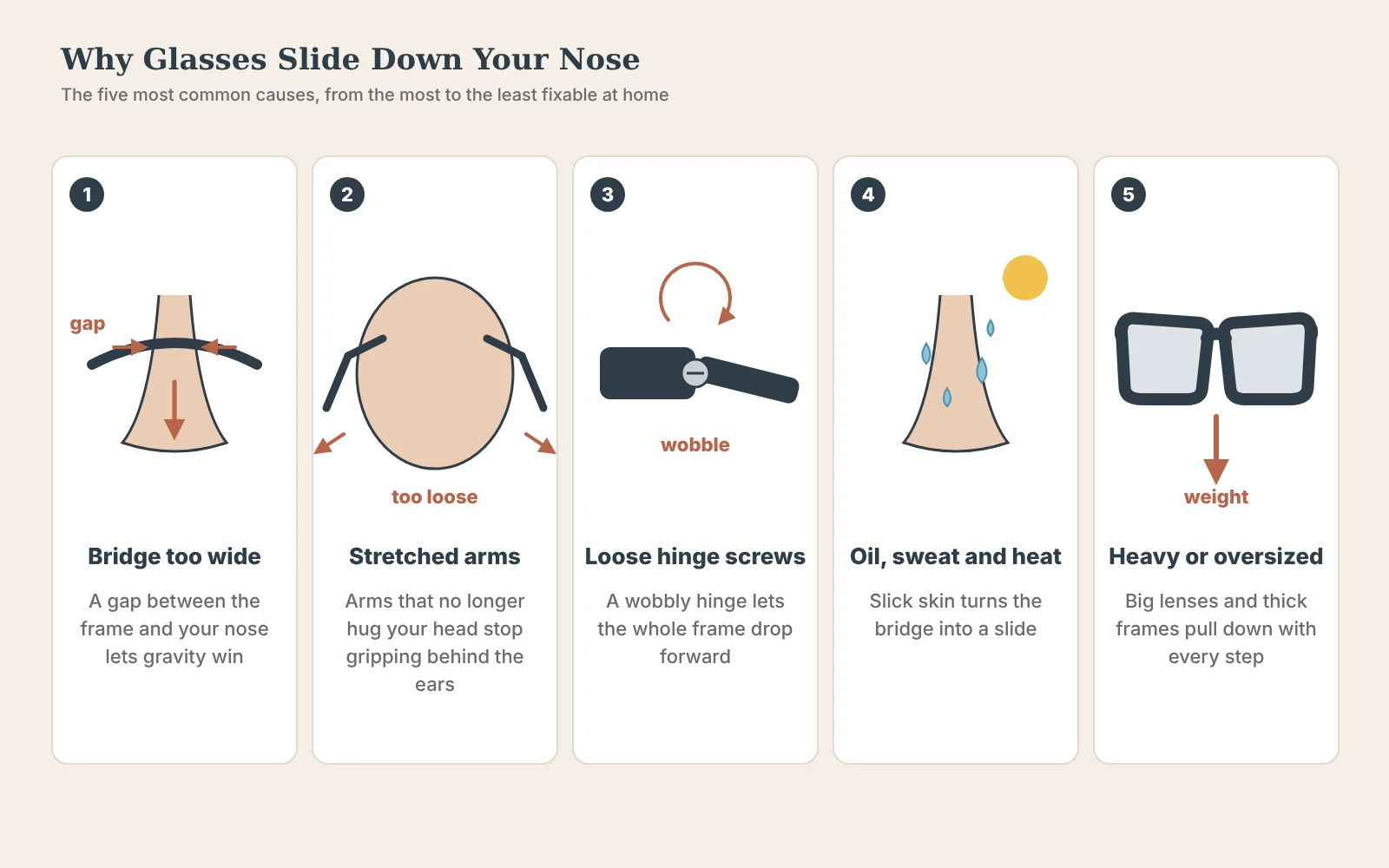
Glasses stay up thanks to two contact points: the bridge resting on your nose and the arms hooking behind your ears. When either one loses its grip, the frame slides.
The most common reasons are a bridge that is too wide for your nose, arms that have stretched or never curved enough behind the ears, hinge screws that have worked loose with daily wear, and skin that turns slick from oil, sweat or sunscreen. Heavy lenses and oversized frames make every one of these worse, because more weight means more pull.
Where Should Glasses Sit on Your Nose?
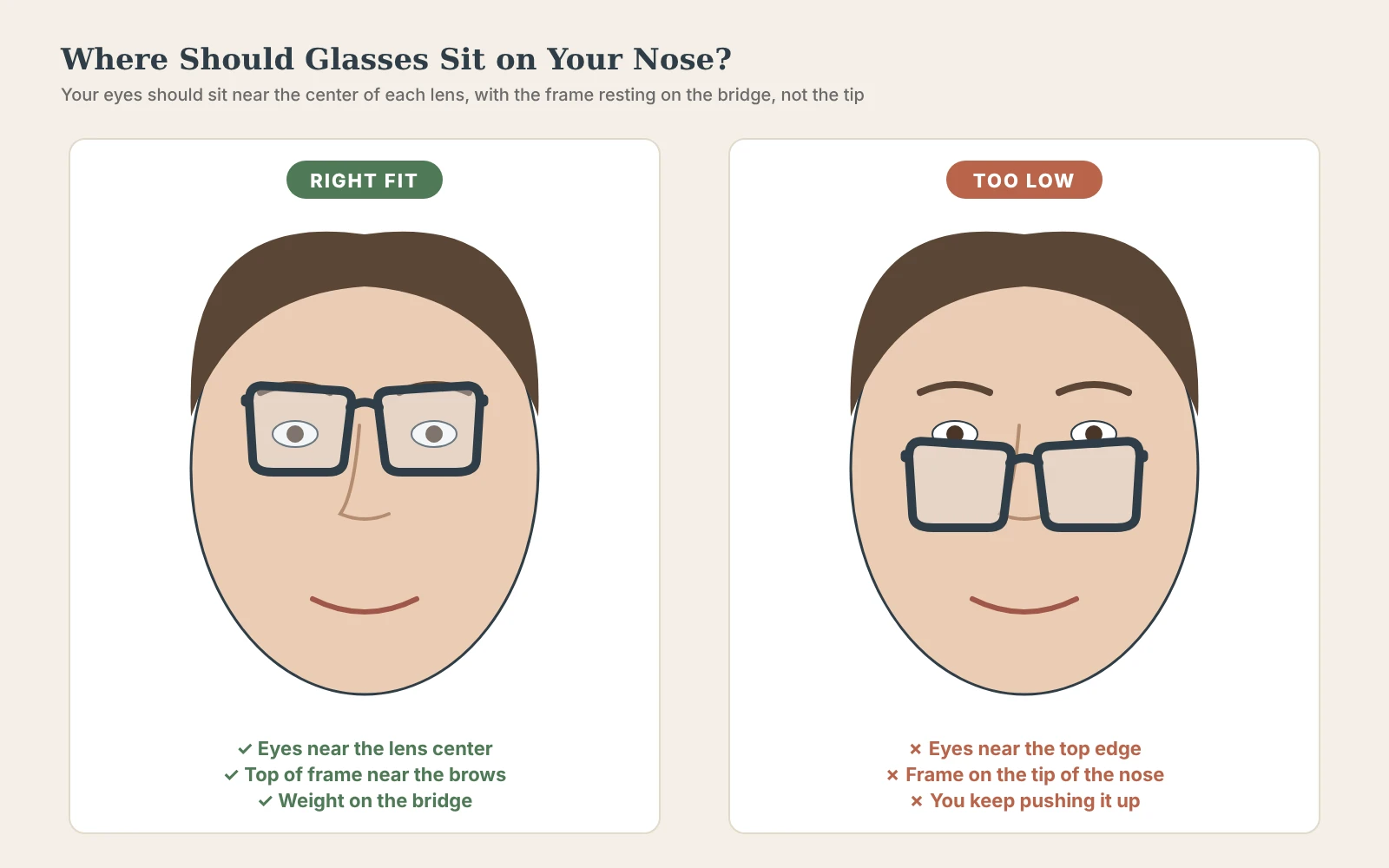
Glasses should rest on the bridge of your nose, not on the tip. Use this three-point check in a mirror:
- Eyes centered: each eye sits near the middle of its lens, not close to the top edge.
- Frame height: the top of the frame lines up with or just below your eyebrows.
- Arms: the temples run straight back and curve down snugly behind your ears without pinching.
If any of the three is off, the frame needs adjusting. If all three are off at once, the size may be the real problem.
How to Fix Glasses That Keep Sliding Down
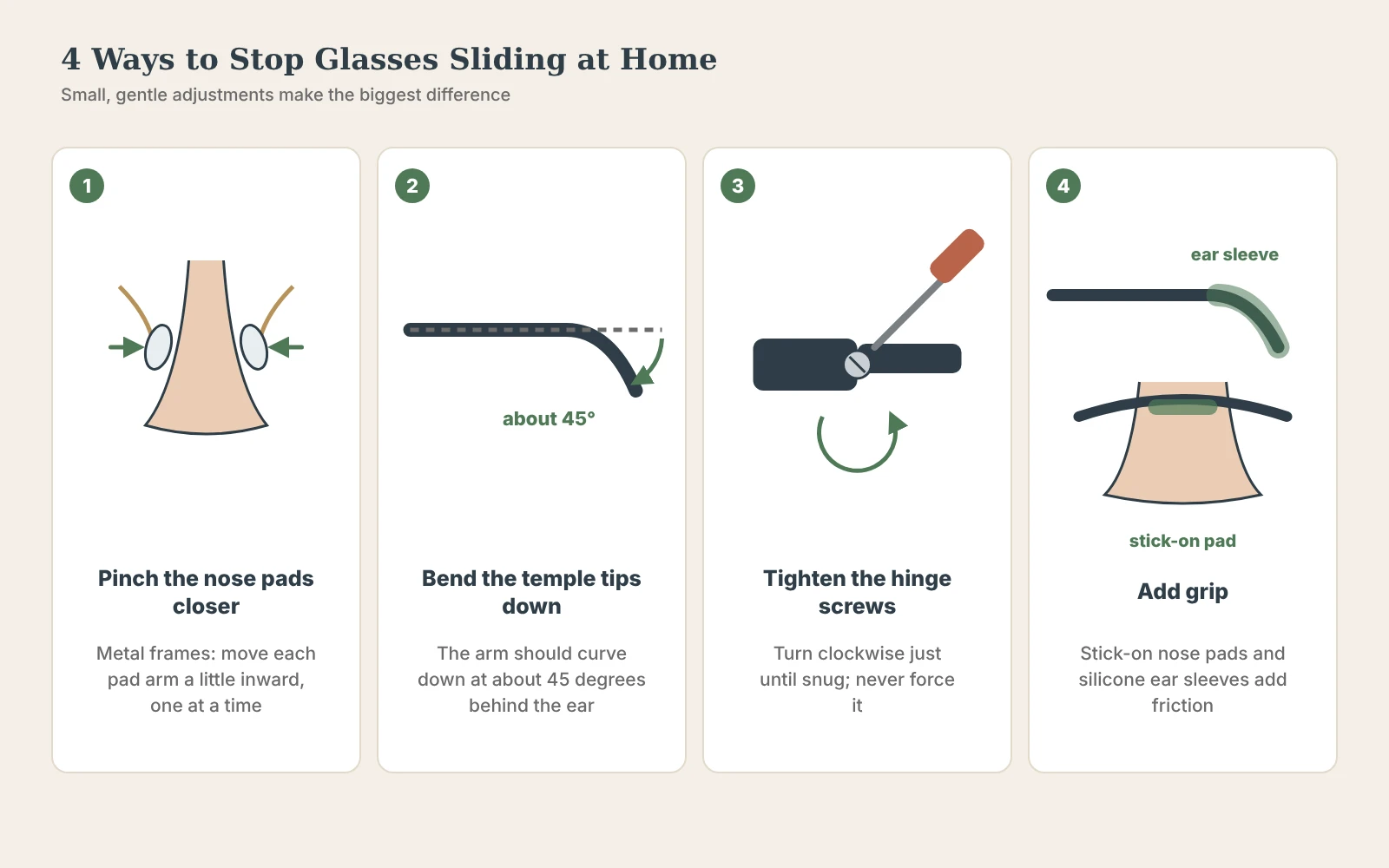
Work through these fixes in order, starting with the free ones. Go slowly and make small changes: a few millimeters is usually enough, and too much force can snap a hinge or an arm.
1. Pinch the Nose Pads Closer
On metal frames, the nose pads sit on small adjustable arms. Gently bend each pad arm inward, one side at a time, so the pads hug the sides of your nose. Pads that are set too wide let the frame drop; pads set slightly closer lift it and hold it in place.
2. Tighten the Hinge Screws
A loose hinge lets the whole front of the frame tip forward. Use a small eyeglass screwdriver from a repair kit and turn each screw clockwise just until it feels snug. Stop there: overtightening can strip the screw or crack the frame.
3. Bend the Temple Tips Down
The arms should curve down behind your ears at roughly 45 degrees. If they run straight back, bend the ends down a little to create a hook. On plastic frames, warm the tip under warm running water or over steam first, dry it, then bend gently.
4. Add Stick-On Nose Pads
Adhesive silicone pads stick to the inside of the bridge on plastic frames. They add grip, lift a frame that sits too low, and spread the weight more comfortably. They come in several thicknesses, so start thin.
5. Slide On Ear Grips
Silicone ear grips, also called temple sleeves or ear hooks, slip over the ends of the arms. They add friction behind the ears and work on almost any frame, including sunglasses.
6. Try Eyeglass Wax
Anti-slip eyeglass wax is a clear stick you rub onto the bridge or nose pads. It is a useful quick fix on hot or humid days, but it wears off and does not correct a frame that is loose or too big.
7. Use a Retainer Strap for Sports
For running, cycling, boating or a day at the beach, a retainer strap that runs behind your head keeps any pair in place, even through sweat and sudden movement.
8. Get a Free Adjustment at an Optical Shop
Opticians adjust frames every day with heated tools and pliers made for the job, and many shops do it free or for a small fee, even if you did not buy the glasses there. It is the safest route for plastic frames, rimless frames and expensive pairs.
9. Choose a Better-Fitting Pair
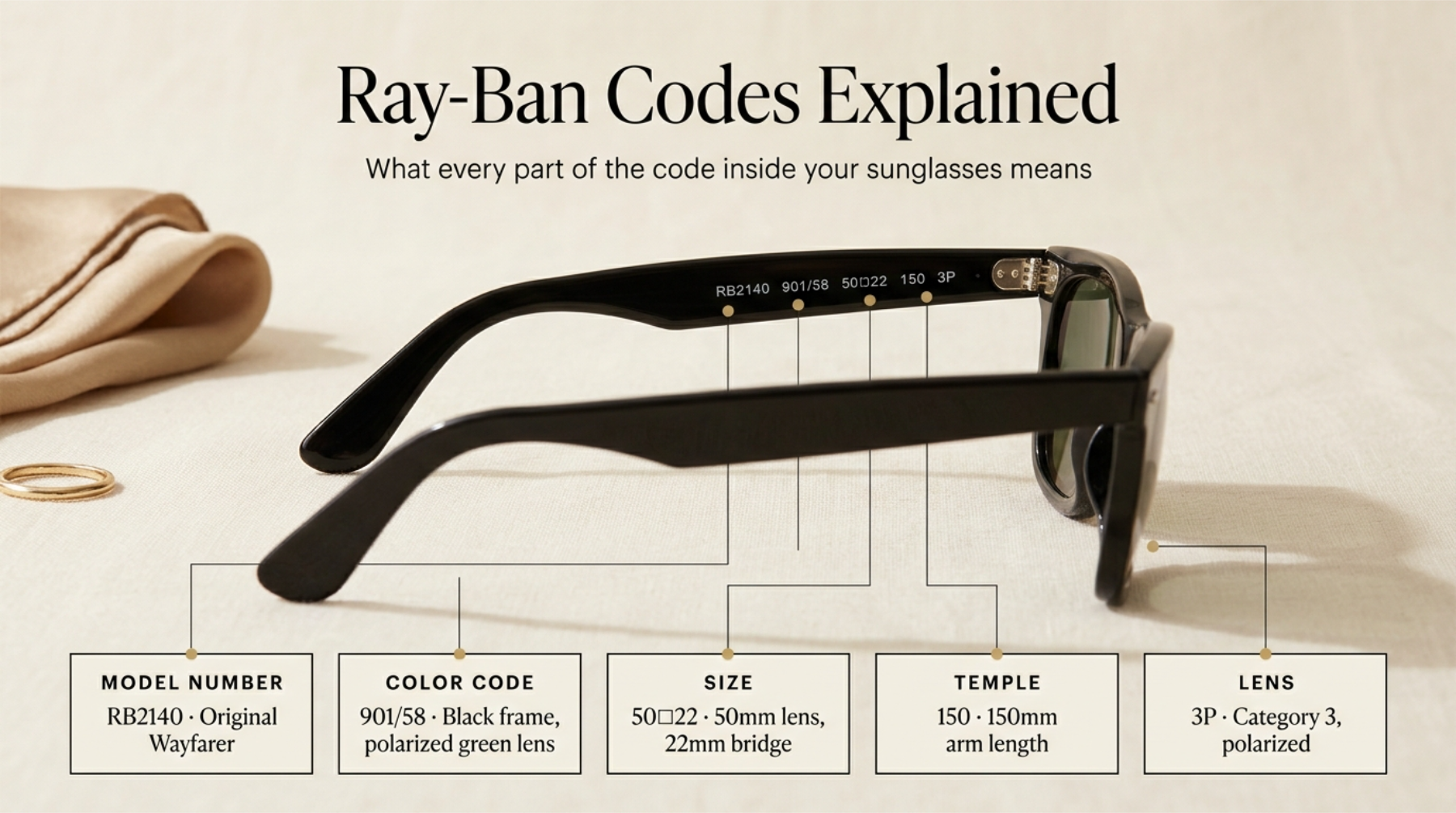
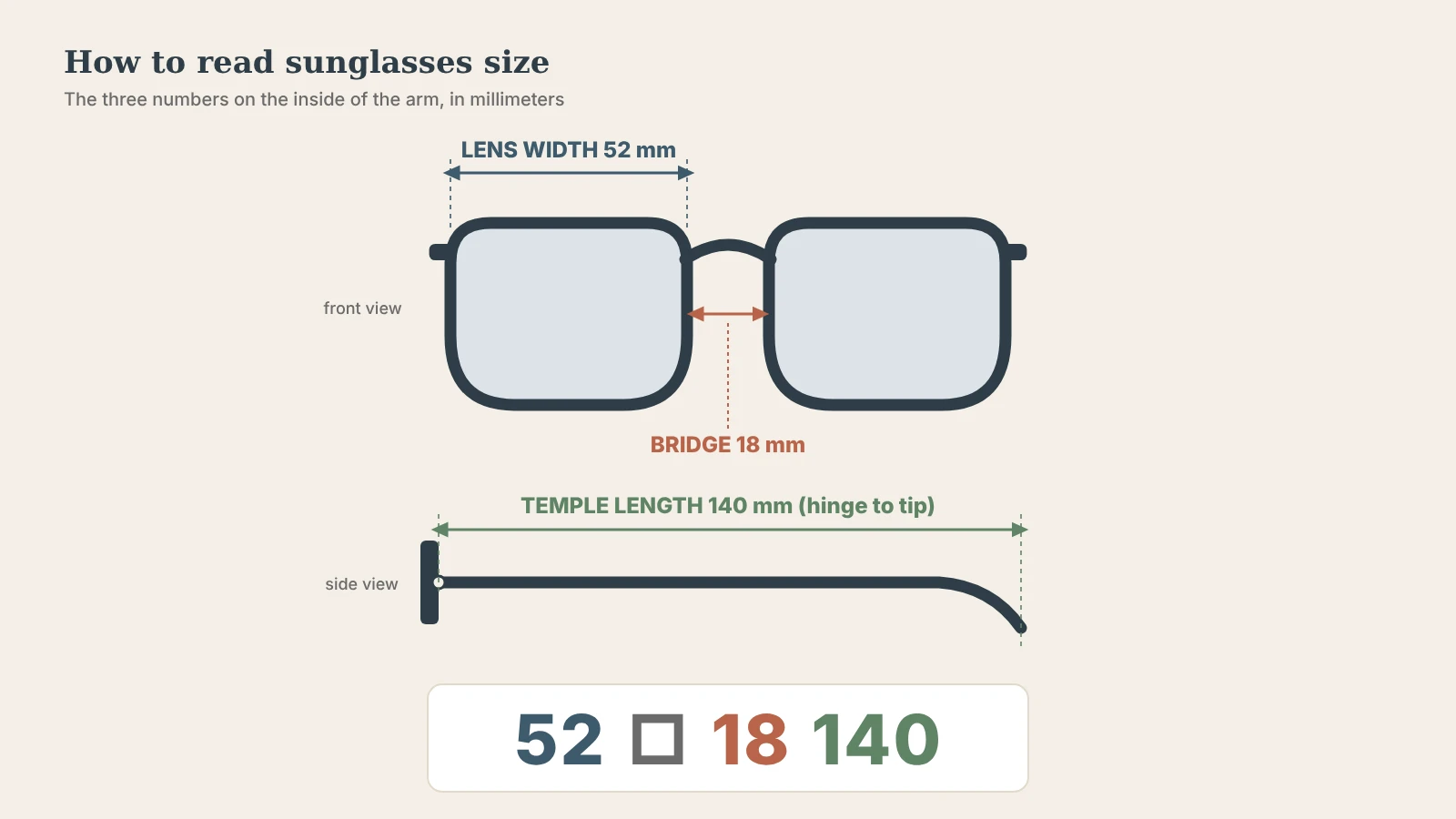
If the bridge is too wide or the frame is simply too big and heavy, no adjustment will hold for long. Check the size printed inside the arm and compare it with your face: a narrower bridge, a smaller lens width or a lighter frame will stay put on its own.
Plastic Frames Without Nose Pads
Acetate and plastic frames have a molded bridge with nothing to adjust, so the fixes move to the bridge surface and the arms. Add stick-on nose pads to raise and grip the frame, bend the temple tips down after warming them, and add ear grips. If the molded bridge sits far from your nose, the frame is too wide for you, and a Low Bridge Fit version of the same style is often the answer.
Oily Skin, Sweat and Hot Days
Oil, sweat and sunscreen turn the bridge into a slide. Wipe your nose and the nose pads a few times a day, wash the frame with mild soap and water, and keep a little eyeglass wax for the hottest days. Silicone pads grip damp skin better than hard plastic.
How to Stop Sunglasses From Slipping
Sunglasses slip for the same reasons as prescription glasses, with a few extra challenges. They are often larger and heavier, they are worn in heat and at the beach where sweat and sunscreen build up, and fashion frames rarely come with adjustable nose pads. Choose frames with rubber temple tips or adjustable pads for active days, add silicone grips to the pairs you already own, and keep a strap for water sports.
If sunglasses always slide down or rest on your cheeks, the frame may be cut for a higher nose bridge. Many brands make Low Bridge Fit versions, sometimes labeled Asian Fit, with taller nose pads that lift the frame into place.
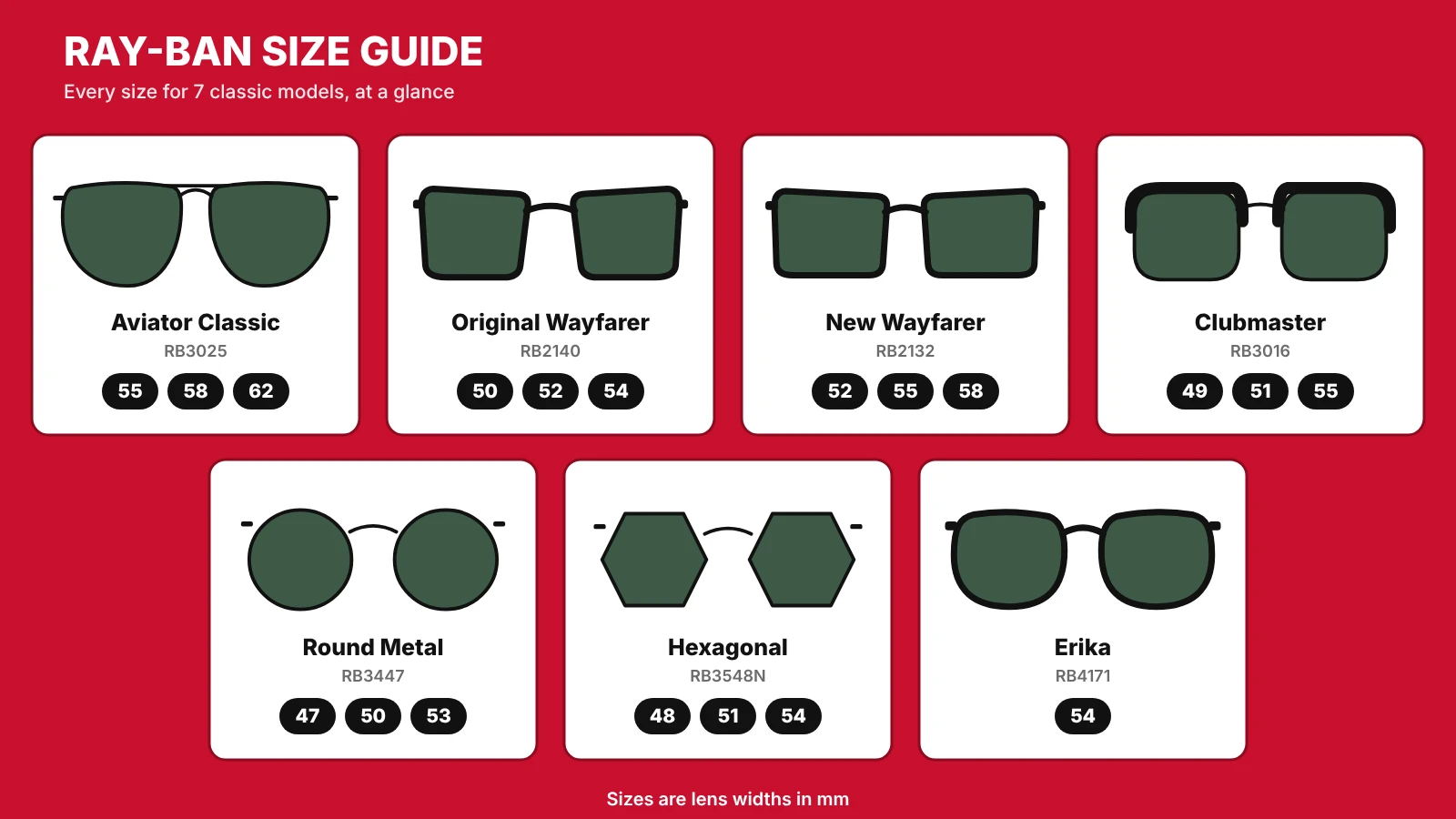
Face size matters too. Narrow faces need frames sized down, and bigger heads need longer arms that actually reach behind the ears.


Glasses Hurting Your Nose?
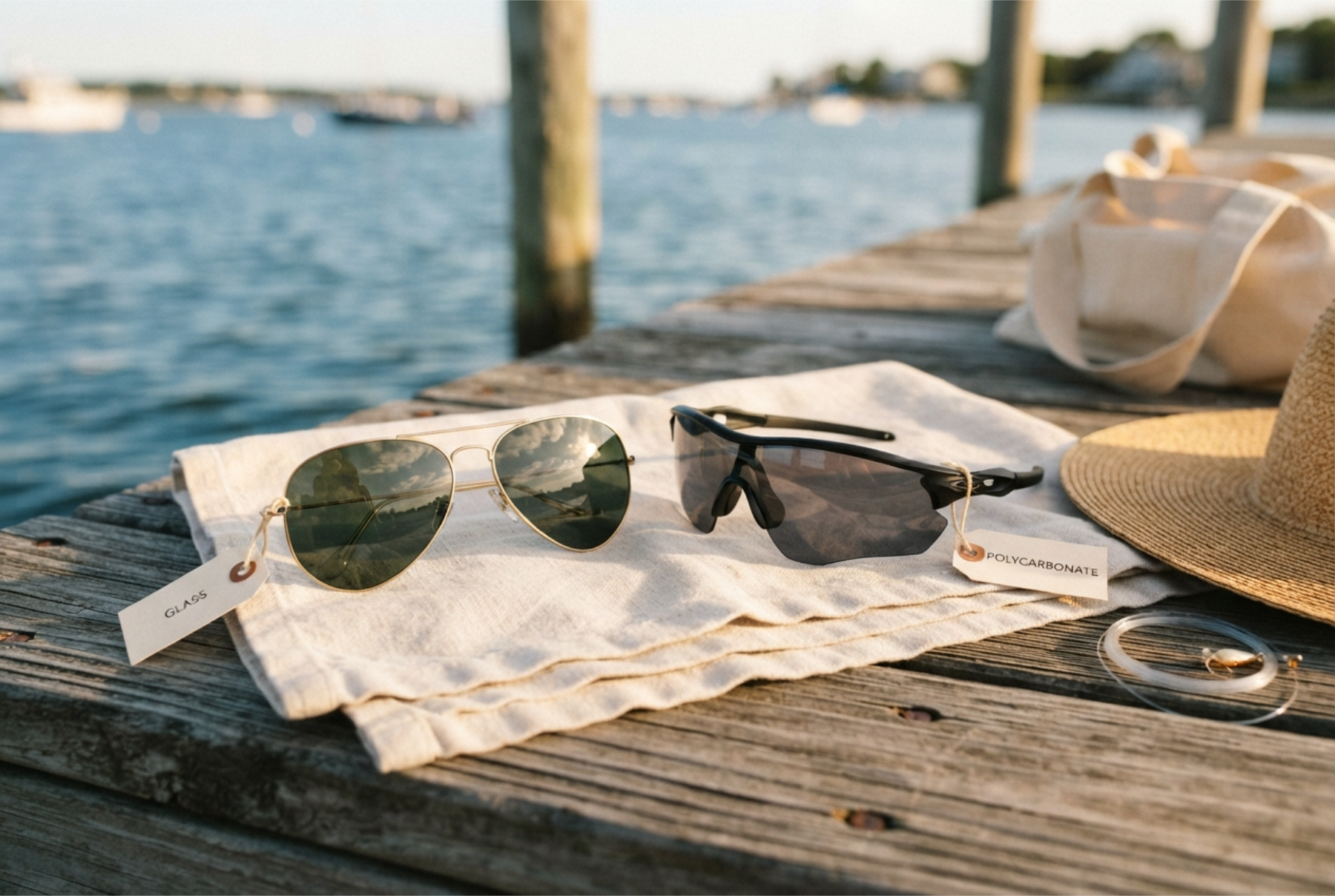
Red marks and soreness on the bridge usually mean the weight is resting on too small an area. Larger or softer silicone nose pads spread the pressure, and a lighter frame or thinner lenses reduce it. If the marks appear behind the ears instead, the arms are bent too tightly and need easing outward. Pain that starts with a new pair is a sign the fit needs adjusting, not something to get used to. Lens material plays a part too: glass is roughly twice as heavy as plastic, which is why lighter polycarbonate lenses sit more comfortably on the nose all day.
Frequently Asked Questions About Glasses Sliding Down Your Nose
Why do my new glasses keep sliding down my nose?
New glasses usually slide because they have not been fitted to your face yet. Frames leave the factory with a standard shape, so the nose pads, arm length and bend behind the ears may not match you. A quick adjustment at the store where you bought them normally fixes it. If a brand-new pair still slides after an adjustment, the bridge may simply be too wide for your nose, and a different size is the better fix.
Where should glasses sit on your nose?
Glasses should rest on the bridge of your nose, the highest narrow part between your eyes, not on the tip. Your eyes should sit near the center of each lens, and the top of the frame should be close to your eyebrows without touching them. If you find yourself looking over the frame or pushing it up every few minutes, it is sitting too low.
Why do my glasses slide down when I look down?
Glasses slide when you look down because the arms are not gripping behind your ears. Without that hook, gravity pulls the front of the frame forward the moment you tilt your head. Bending the temple tips down to curve around your ears, or adding silicone ear grips, usually solves it. The same problem shows up when reading, cooking or working at a laptop.
Can an optician fix glasses that slide down?
Yes. An optician can tighten the hinges, reshape the arms and adjust the nose pads in a few minutes, and many optical shops do it free or for a small fee. It is the safest option for plastic frames and expensive pairs, since too much force at home can crack an arm. You do not need to have bought the glasses there; most shops will still help.
How do I keep sunglasses from slipping when I sweat?
To keep sunglasses from slipping when you sweat, add grip at the two contact points: silicone pads on the bridge and rubber sleeves on the temple tips. For running, beach days or sport, a retainer strap behind your head is the most secure option. Wiping your nose and the bridge dry also helps. Sunscreen on the nose makes slipping worse, so wipe the bridge area before putting your sunglasses on.
Does eyeglass wax really work?
Eyeglass wax can help when glasses slip because of oily skin or heat. A thin layer on the bridge or nose pads adds friction, so the frame grips your nose instead of sliding. It is a temporary fix, though: it wears off during the day and does not correct a frame that is too big or loose. Use it alongside a proper adjustment rather than instead of one.