
September 30, 2026
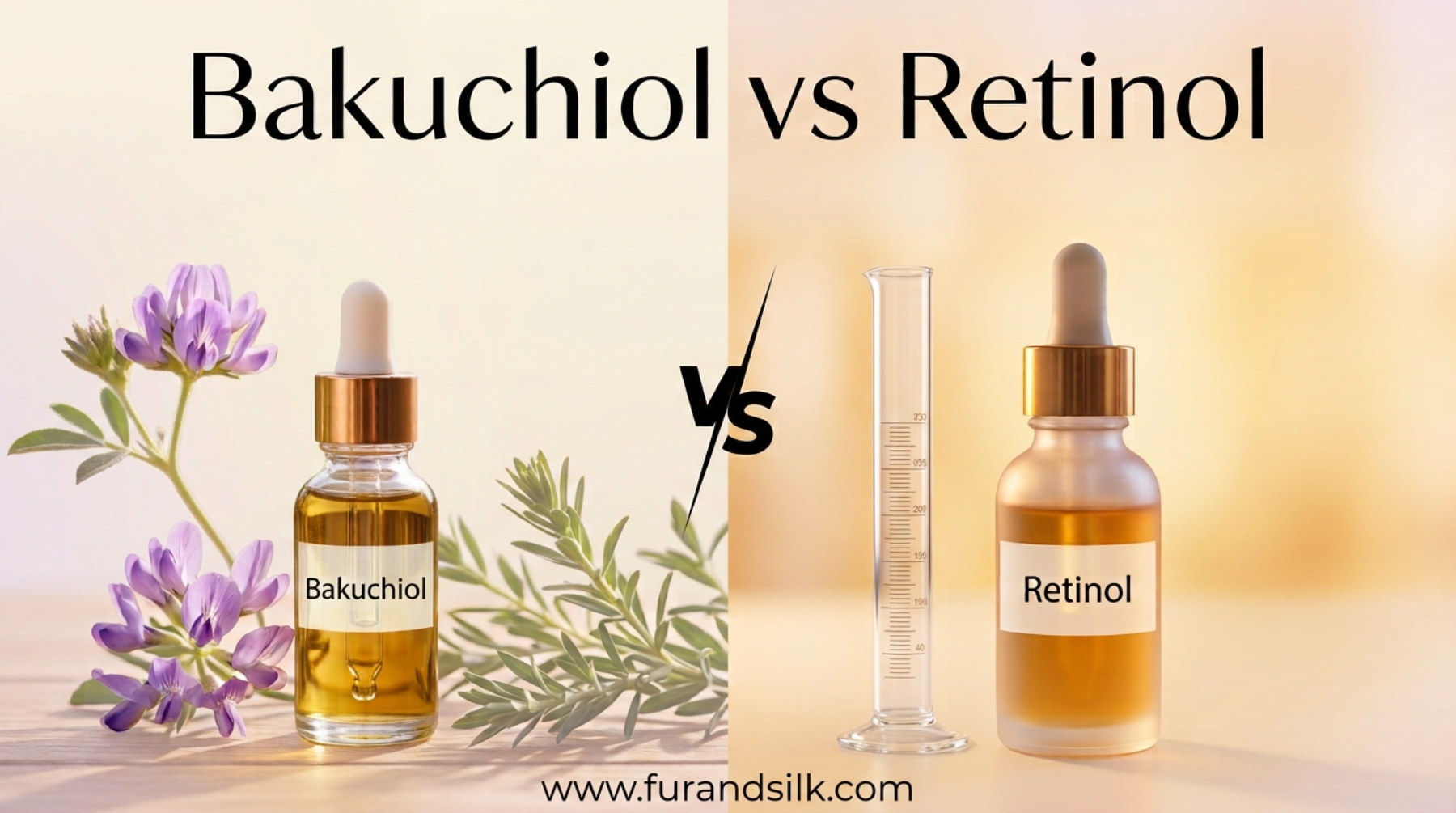
Bakuchiol vs Retinol: The Short Answer
If your skin is reactive, easily flushed, pregnant, or simply new to anti-aging actives, bakuchiol is almost always the smarter starting point, because it delivers visible smoothing and firming without the peeling and redness retinol is famous for.
If your skin is resilient, you've used actives before, and you want the fastest, most heavily studied route to fewer wrinkles, retinol still holds the crown.
That's the headline. But the two ingredients differ in ways that matter well beyond irritation, so let's break the comparison down concern by concern before you commit either one to your routine.
How They Stack Up, Side by Side
Here's the quick-glance version of where each ingredient wins, based on the factors most people weigh before buying. A checkmark means the ingredient delivers on that front; the rest of this guide unpacks the why behind each row.
Bakuchiol is a compound drawn from the seeds of the babchi plant, long used in traditional Ayurvedic and Chinese practice and now embraced by modern skincare as a gentler stand-in for vitamin A. Its skin credentials are surprisingly ancient: across the Indian subcontinent, healers in the Ayurveda, Siddha, and Unani systems of medicine applied babchi seeds to complaints like eczema, psoriasis, and vitiligo for centuries before Western labs ever isolated the active.
It shares none of retinol's chemistry, yet it switches on many of the same skin pathways, which is why it can firm, smooth, and refine tone without the irritation retinoids drag along.
If you want the full science on how it works and who it suits, our primer on what bakuchiol is goes deeper than we will here.
What Retinol Brings to the Table
Retinol is the over-the-counter form of vitamin A that built the entire anti-aging category. Once applied, your skin converts it through a few steps into retinoic acid, the active form that accelerates cell turnover and drives collagen production.
That conversion is what makes retinol so effective, and also what makes it demanding: the same power that erases lines can leave unaccustomed skin dry, red, and flaking while it adjusts.
Bakuchiol vs Retinol for Sensitive Skin: The Irritation Difference
This is where the two ingredients part ways most dramatically. Retinol commonly triggers a break-in phase of dryness, tightness, and peeling, and it can take weeks of careful, spaced-out use before skin tolerates it nightly.
Bakuchiol skips that ordeal almost entirely, which is why reactive, rosacea-prone, and eczema-prone complexions gravitate toward it. If irritation is the reason you've abandoned retinol before, this row alone may settle your decision.
Bakuchiol vs Retinol Results: Which Works Faster?
Honesty matters here: retinol is faster and more extensively documented. Its wrinkle-smoothing and collagen-building effects are backed by a deep bench of clinical research spanning decades, and many users see change sooner than they do with bakuchiol.
Bakuchiol delivers comparable improvements in tone, texture, and fine lines, but it generally asks for more patience, rewarding consistent use over a couple of months rather than a couple of weeks.
Bakuchiol vs Retinol and Sun Sensitivity
Retinol increases photosensitivity, which is why it's a night-only ingredient and why daily sunscreen is non-negotiable alongside it. Bakuchiol carries no such restriction, so it wears comfortably morning and night without raising your sun risk. Either way, daytime SPF stays essential, since protecting your skin is what preserves any anti-aging progress you make.
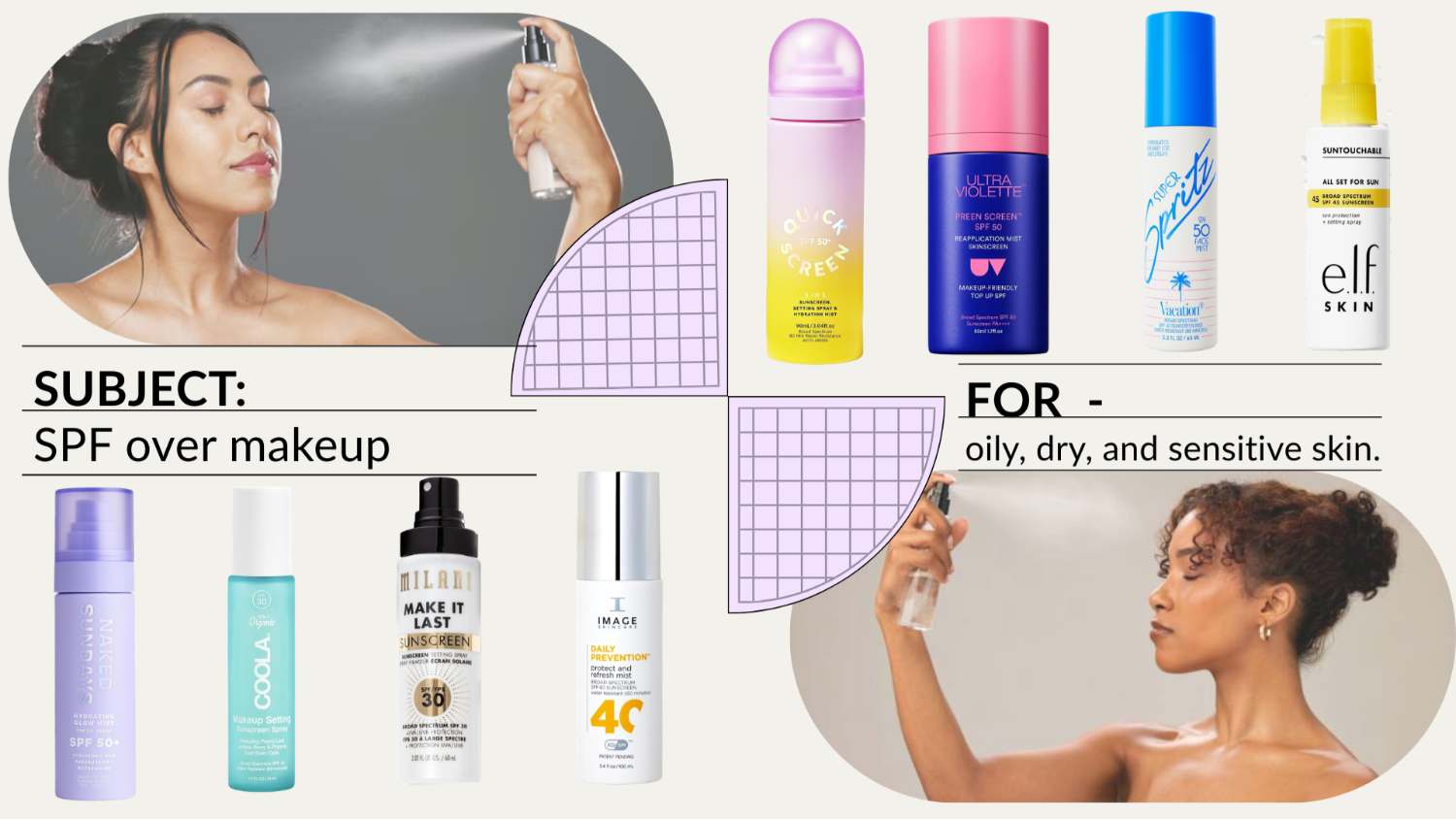
If your sunscreen step is still a work in progress, our guide to the best sunscreens for your face makes it easy to find one that layers well over your actives.
Is Bakuchiol or Retinol Safe During Pregnancy?
Retinol and other retinoids are widely advised against during pregnancy and nursing. Bakuchiol, being plant-derived and free of vitamin A's conversion pathway, is generally considered a pregnancy-friendly alternative, which is a large part of why it has surged in popularity.
As with any active during pregnancy, run your specific routine past your healthcare provider before starting.
Can You Use Bakuchiol and Retinol Together?
Yes, and pairing them can be genuinely clever. Research suggests bakuchiol helps stabilize retinol and buffer its irritation, so using them together can amplify anti-aging results while softening the side effects retinol usually brings. Some formulas even combine both in a single bottle for exactly this reason.
If you're layering them yourself rather than buying a pre-blended product, introduce them gradually and keep a close eye on how your skin responds.
Bakuchiol or Retinol: Which Should You Choose?
Strip away the science and the decision comes down to your skin and your priorities.
Choose bakuchiol if - your skin is sensitive or reactive, you're pregnant or nursing, you're new to anti-aging actives, you want something you can wear day and night, or retinol has burned you before. It's the low-drama path to firmer, smoother skin, and it's where most gentle-leaning shoppers should begin.
Choose retinol if - your skin is resilient, you've used actives without trouble, and you want the fastest, most proven results the anti-aging world offers. If that's you, our guide to the best retinol serums for beginners will help you start at the right strength without overwhelming your skin.
And if you can't decide, remember you don't strictly have to: a combined or alternating approach lets many people enjoy retinol's speed and bakuchiol's calm at once.
Bakuchiol vs Retinol FAQ

Is bakuchiol as effective as retinol?
Bakuchiol is comparably effective for improving fine lines, tone, and texture, but retinol generally works faster and has far more clinical research behind it. Studies pitting the two against each other show similar improvements in photoaging, with bakuchiol causing significantly less irritation.
The trade-off is patience: bakuchiol tends to need consistent use over 8 to 12 weeks to match what retinol can show sooner.
Can bakuchiol replace retinol completely?
For many people, especially those with sensitive skin, bakuchiol can fully replace retinol while delivering similar anti-aging benefits. It's a genuine alternative rather than a watered-down substitute, and it suits anyone who can't tolerate retinoids or wants a pregnancy-friendly option.
That said, if your skin handles retinol well and you prioritize speed, retinol still offers the more powerful, faster-acting results.
Which is better for beginners, bakuchiol or retinol?
Bakuchiol is usually the better beginner ingredient because it requires no gradual ramp-up and rarely causes irritation. You can use it daily from the start without the dryness or peeling that often discourages first-time retinol users.
Beginners set on retinol should start at a low strength a few nights a week and build up slowly to let their skin adjust.
Does retinol work faster than bakuchiol?
Yes, retinol typically produces visible results faster than bakuchiol because it converts directly into active retinoic acid and drives cell turnover more aggressively. Many people notice smoother skin from retinol within a few weeks.
Bakuchiol works more gradually and gently, with its firming and line-smoothing benefits usually becoming clear over 8 to 12 weeks of steady use.
Is bakuchiol or retinol better for wrinkles?
Both reduce the appearance of wrinkles, but retinol has the stronger, more established track record for deeper lines, while bakuchiol excels at smoothing fine lines without irritation. If your main concern is advanced wrinkles and your skin is resilient, retinol is the heavier hitter.
If you want steady anti-aging on sensitive skin, bakuchiol handles fine lines beautifully with none of the fallout.
Can you use bakuchiol and retinol at the same time?
Yes, you can use bakuchiol and retinol together, and doing so may boost results while reducing retinol's typical irritation. Bakuchiol appears to stabilize retinol and calm the redness and peeling it can cause.
You can layer them in the same routine or choose a formula that blends both, but introduce the combination slowly and watch how your skin reacts.