
September 22, 2026
What Is Bakuchiol? A Botanical That Behaves Like a Retinoid
Bakuchiol (say it "buh-KOO-chee-all") is far from a passing trend. The compound has a long history in traditional Ayurvedic and Chinese practice, drawn from the seeds of a flowering plant called Psoralea corylifolia, known more commonly as babchi. What caught researchers' attention is that it mimics vitamin A's effects on skin cells despite sharing none of its chemistry.
The clever part is the mechanism. Bakuchiol carries no structural resemblance to a retinoid, yet it switches on many of the same skin genes — cueing collagen, encouraging fresh cell turnover, and softening the look of lines, all while sidestepping the sting and flaking retinoids are notorious for. For a fuller breakdown of the retinoid family and where this ingredient lands within it, our explainer on retinol vs retinal vs tretinoin maps out what each one does and which your skin actually needs.
The Research Behind It
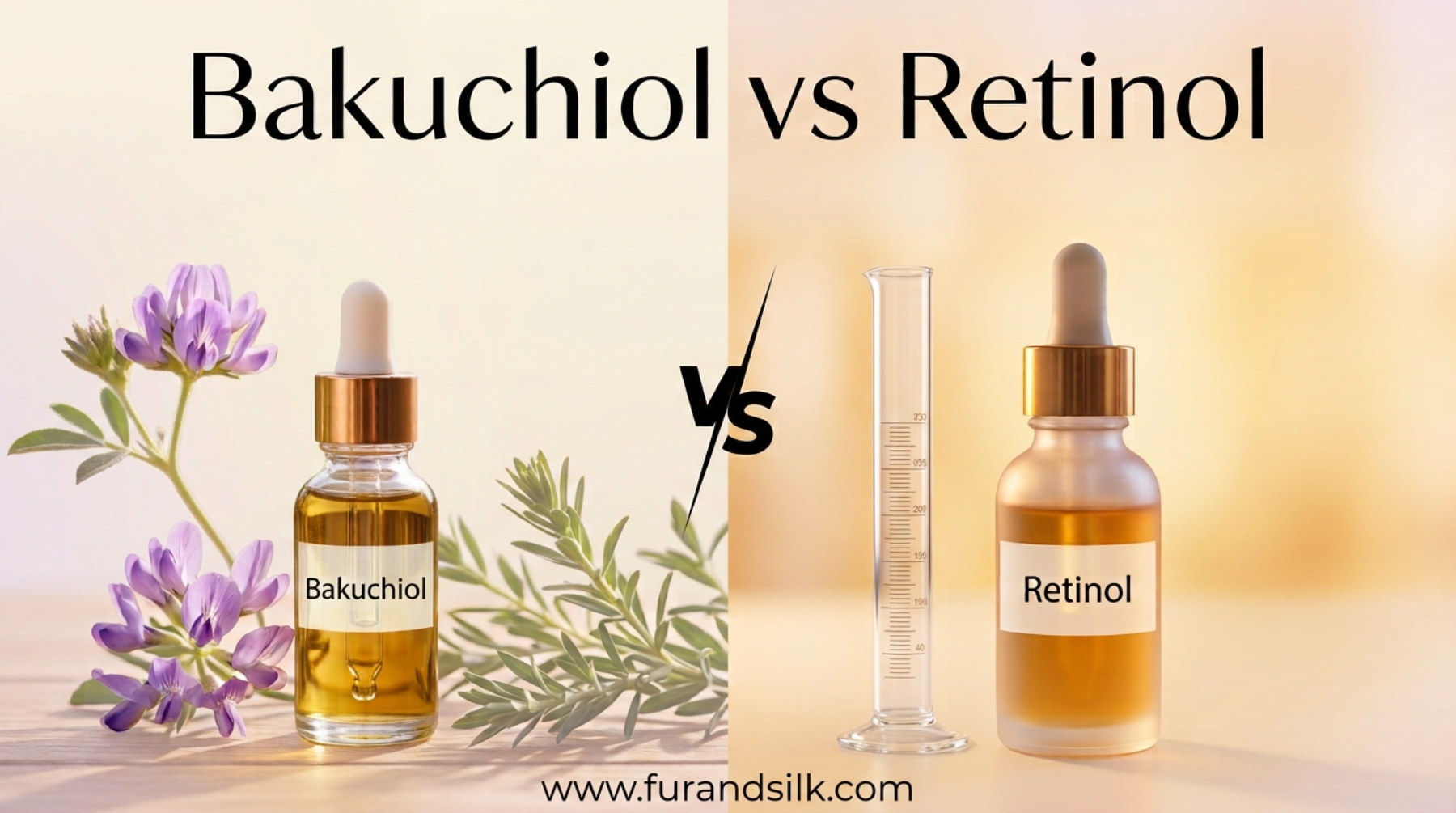
The study most often cited is a 2019 trial in the British Journal of Dermatology, which pitted 0.5% bakuchiol against 0.5% retinol across a twelve-week stretch. Both camps saw comparable gains in the appearance of wrinkles and uneven tone — but the bakuchiol users flaked and stung noticeably less. A gentler route to the same destination, in other words.
Where retinol has to run a multi-step conversion inside the skin before it becomes active, bakuchiol takes a different road entirely. It prompts several types of collagen directly while helping switch off the enzymes that dismantle the collagen you already have. The upshot is more structural support staying put, and skin that reads firmer over time.
Bakuchiol vs Retinol: How They Really Compare
*Always consult your healthcare provider before using any new skincare during pregnancy.
Why Reactive Skin Calls for a Different Approach
If your face rebels the moment a retinoid touches it, you have plenty of company. A real slice of the population can't make peace with conventional vitamin A — and for that group, bakuchiol changes the equation, delivering the renewal without the revolt.
It's likely a strong match if:
- Your skin runs sensitive, reactive, or quick to flush
- A past run-in with retinol left your skin worse, not better
- You manage rosacea or eczema-prone skin
- You're expecting or nursing and want a pregnancy-conscious active
- You're brand new to anti-aging ingredients and want an easy on-ramp
- The idea of a weeks-long purge is a dealbreaker
- You'd like one active you can wear at sunrise and bedtime alike
- Plant-based, vegan formulas are a priority for you
How to Choose a Bakuchiol Formula
Bakuchiol products vary more than the shelf suggests. A few things separate a formula worth your money from a forgettable one.
Strength on the Label
The research sweet spot sits between 0.5% and 2%, and loading it higher rarely earns you more. What the active is paired with — and how pure it is — tends to matter more than the number alone. Labels that name "99% pure bakuchiol" or a reputable raw-material source are a good sign.
The Supporting Cast
This ingredient is a team player, and the smartest formulas surround it with partners that pull their weight:
- Peptides — to back up collagen
- Ceramides — to shore up the barrier
- Hyaluronic acid — to hold onto water
- Niacinamide — for pores and clarity
- Squalane — for cushion without grease
How It's Bottled
Bakuchiol holds up better than retinol, but light and air still degrade any active over time. Opaque bottles, airless pumps, and sealed tubes all help the formula stay effective to the last drop.
Texture and Format
Let your skin type steer the choice:
- Serums — suit oily and combination skin, and layer cleanly
- Creams — reward dry skin and work as a one-step moisturizer
- Oils — the pick for very dry or mature skin
Getting the Most Out of Bakuchiol
The Order of Operations
- Cleanse so you're working on a clean canvas
- Tone, if a toner is part of your lineup
- Press in your bakuchiol — a pump or a few drops covers the whole face
- Seal with moisturizer when you've used a serum (skip this if your bakuchiol is already a cream)
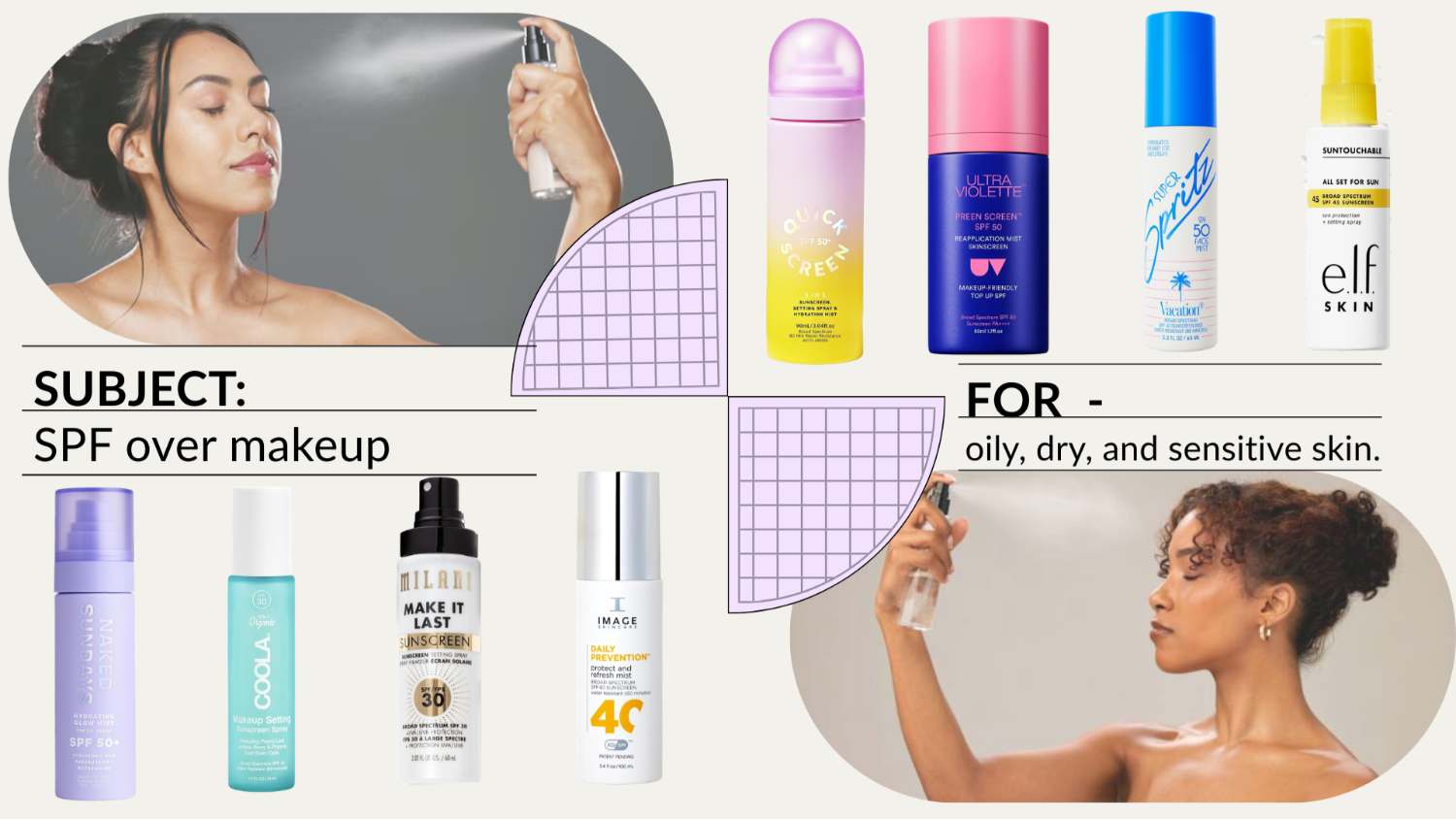
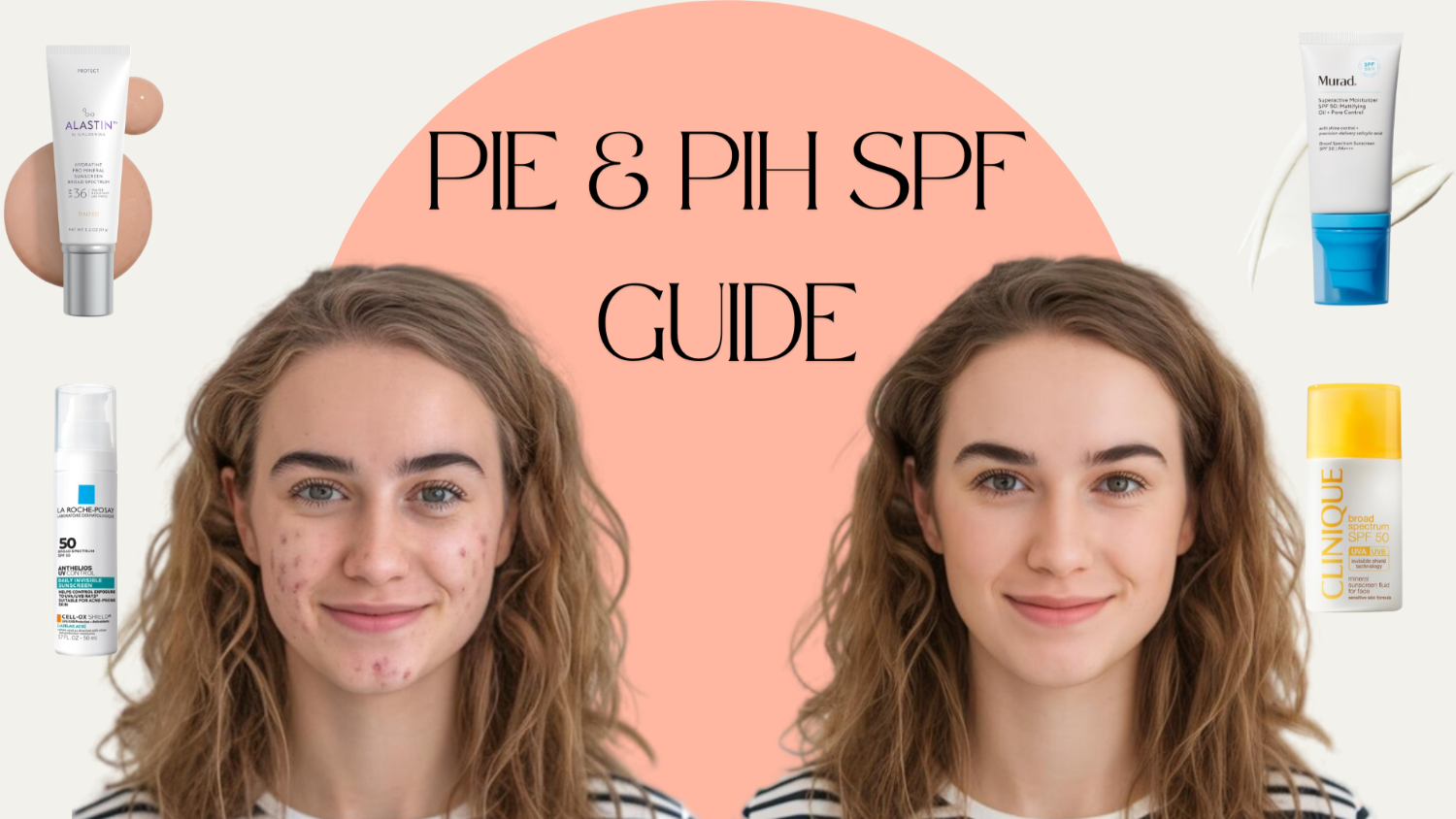
- Finish with SPF every morning, no exceptions — and if the right formula is the missing piece, this roundup of the best sunscreens for face makes the match easy by skin type.
Small Habits That Pay Off
- Show up daily — steady use is what moves the needle
- Skip the slow start — there's no easing-in ritual the way retinol demands
- Go thin to thick when you layer
- Carry it past the jawline onto the neck and chest
- Give it a season — the firming and line-smoothing payoff lands around the 8-to-12-week mark
What Not to Pile On Top
Bakuchiol is easygoing with most of the shelf, but hold it apart from these in a single routine:
- AHAs above roughly 10%
- BHAs above roughly 2%
- Potent exfoliating acids in general
- A long stack of actives at once — restraint wins here
Frequently Asked Questions About Bakuchiol
What exactly is bakuchiol, and how does it stand in for retinol?
Bakuchiol is a plant compound pressed from the seeds of Psoralea corylifolia (babchi), with roots in Ayurvedic and Chinese tradition. Though its chemistry is nothing like a retinoid's, it triggers many of the same skin responses — building collagen, quickening turnover, and easing the look of lines and dark patches.
The 2019 British Journal of Dermatology trial put 0.5% of it on par with the same strength of retinol for photoaging, with far less irritation reported.
How does bakuchiol differ from retinol and retinal?
Retinol is a vitamin A derivative that has to convert into retinoic acid before it works, which is why it delivers results but can leave skin dry, red, and sun-shy. Retinal (retinaldehyde) sits one conversion step closer, so it acts faster while still carrying irritation potential.
Bakuchiol skips the conversion path altogether, echoing retinol's benefits through a separate route, with no purge and no added sun sensitivity.
Is bakuchiol the smarter pick for sensitive skin?
For skin that's reactive, easily flushed, or rosacea-prone, it usually is. It brings comparable anti-aging results while sparing you the redness, peeling, and tightness retinol tends to provoke, and it asks for no cautious break-in period. That combination is exactly why dermatologists often point sensitive-skinned patients toward it first.
Does it need to go on only at night?
No — because bakuchiol doesn't heighten sun sensitivity, morning or evening both work. Daytime sunscreen still belongs in the routine regardless, since that protects the results you're building. Some people simply prefer a nighttime slot so it works uninterrupted while they sleep.
Can it share a routine with vitamin A products or acids?
It layers happily with most things — vitamin C, niacinamide, peptides, hyaluronic acid, and ceramides all play nicely. The one caution is stacking it against strong exfoliating acids in the same sitting, which can tip skin into over-exfoliation. Space those out on alternate days instead.
How pure and how strong should the bakuchiol be?
Clinical benefit shows up from as little as 0.5%, with most well-built formulas landing between 0.5% and 2%. Chasing a bigger number isn't the win it looks like — sourcing and purity carry more weight than raw percentage. A label that specifies 99% pure bakuchiol is a reliable marker of quality.
The Takeaway
When your skin and retinol can't get along, bakuchiol is the peace treaty. It brings the results worth chasing — refined texture, softened lines, a steadier glow — and leaves behind the irritation, purging, and sun-sensitivity headaches that make vitamin A such a commitment.
Whichever formula you land on, the real lever is consistency: hold the course for a couple of months and the calmer, smoother skin on the other side will thank you.