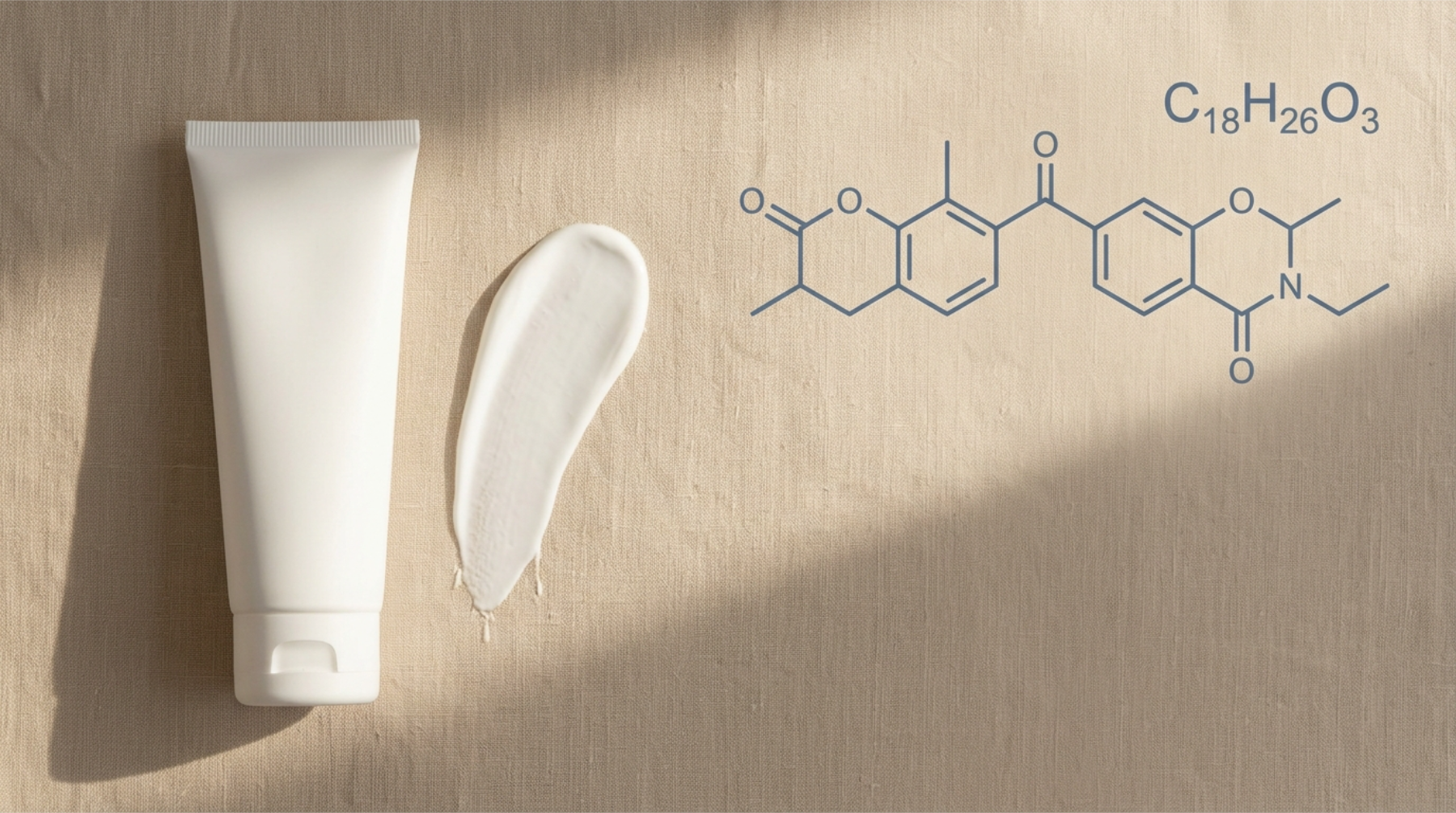
Octinoxate is a cinnamate, a chemical relative of cinnamic acid, the compound that occurs naturally in cinnamon. It dissolves in oil and spreads clear, which is why it turns up in lightweight lotions, tinted moisturizers, primers and foundations with SPF.
If you're wondering whether octinoxate is a chemical or mineral sunscreen, it's chemical. It sinks into the top layer of skin and converts UV light into a little heat. The only mineral filters sold in the US are zinc oxide and titanium dioxide, which sit on the surface instead. Our chemical vs. mineral sunscreen guide shows how the two families compare day to day.
How the FDA, EU, and EWG Rate Octinoxate
Three of the most-quoted verdicts on octinoxate point in different directions. Here's each one at a glance.
These verdicts measure different things. The FDA's "more data needed" means the studies it asked for in 2019 haven't been completed, not that octinoxate has been shown to be harmful. The European Commission's 2025 safety opinion reviewed the existing data, acknowledged that octinoxate is hormonally active, and still found a wide enough safety margin at 10%.
EWG is an advocacy group rather than a regulator, and its Skin Deep rating gives extra weight to unanswered questions. That's why a filter can be legal, approved in Europe and red-flagged by EWG all at once.
Why Sunscreen Labels Say "Octinoxate 7.5%"
Every US sunscreen lists its UV filters and their exact percentages in the Drug Facts box. Here's how octinoxate usually shows up.
7.5% is simply the most octinoxate the FDA allows in an over-the-counter sunscreen, set in the agency's sunscreen monograph. Seeing octinoxate 7.5 on a label means the formula uses it at full legal strength, not that the sunscreen is stronger than one with less.
SPF comes from the whole mix of filters working together, so a 7.5% octinoxate formula can be SPF 15 or SPF 50. For the rest of the label, from water resistance to expiration dates, see our guide to safe sunscreen ingredients.
Is Octinoxate Safe? What the Research Says
Most octinoxate safety worries trace back to five findings. The summary below shows how solid each one is, followed by the detail.
Does Octinoxate Get Into Your Body?
Yes. In a 2020 FDA study published in JAMA, 48 healthy adults applied sunscreen under controlled conditions, and octinoxate showed up in their blood after a single application. It crossed 0.5 ng/mL, the level at which the FDA asks for further safety testing, on the very first day.
By day 21 the average level had dropped back to zero. That clears faster than oxybenzone and homosalate, which stayed above the threshold for the full three weeks of the same study.
Crossing the threshold is a reason to keep studying, not proof of octinoxate toxicity. The study's authors spelled it out in their conclusion: "These findings do not indicate that individuals should refrain from the use of sunscreen."
Does Octinoxate Affect Hormones?
In the lab, yes, mildly. European reviewers describe octinoxate as weakly estrogenic with slight anti-androgenic activity, and animal research summarized in Practical Dermatology linked it to lower levels of the thyroid hormone T4.
What's missing is evidence of the same effects in people at normal sunscreen doses. That gap explains why the EU still allows octinoxate at 10% while EWG and others urge caution. Octinoxate has also been detected in human breast milk, one reason pregnant and nursing women are often steered toward mineral formulas.
Octinoxate Side Effects on Skin
Octinoxate side effects on the skin are uncommon. A small number of people develop an octinoxate allergy, which shows up as an itchy rash where the sunscreen was applied, sometimes only after sun exposure.
If a sunscreen keeps irritating you, fragrance is a more frequent trigger, so check the inactive list too. A dermatologist can run a patch test to pinpoint the exact ingredient.
Why Octinoxate Breaks Down in Sunlight
Octinoxate changes shape when UV light hits it, and the altered form absorbs less UVB. Paired with avobenzone, the problem compounds: a 2006 photochemistry study found the two filters react with each other in sunlight, which "leads to rapid loss of UV protection."
That's why octinoxate and avobenzone formulas often add stabilizers such as octocrylene, and why reapplying every two hours matters more with this kind of sunscreen.
Octinoxate and Coral Reefs: Where It's Banned
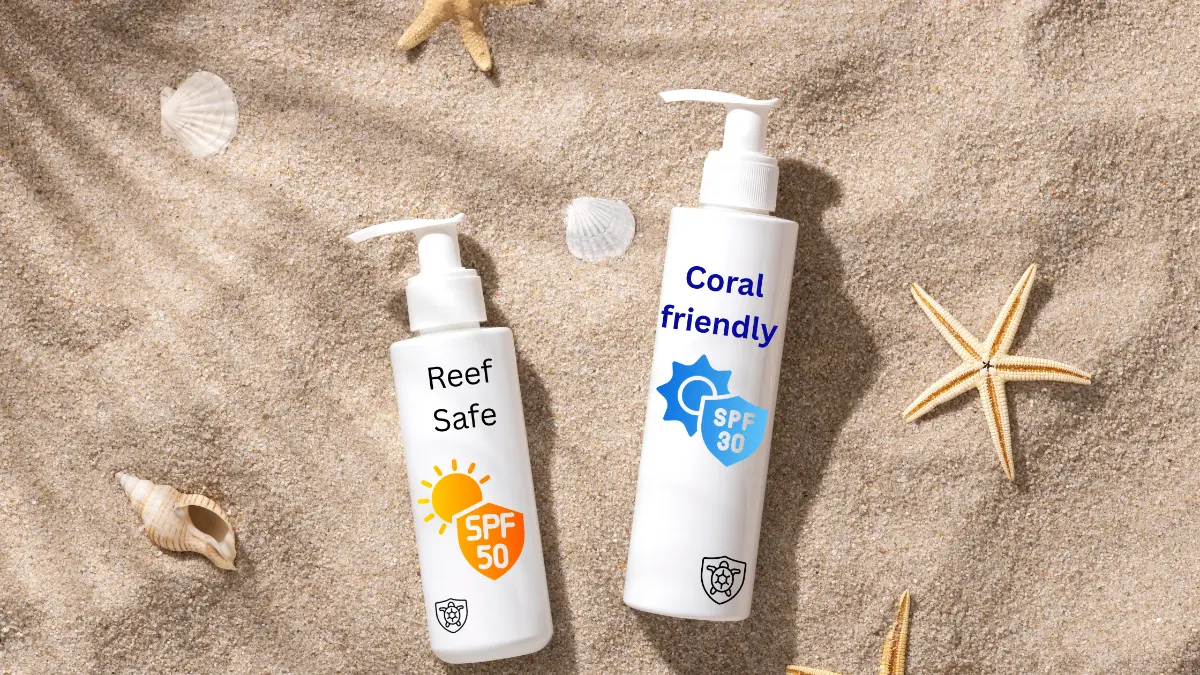
Lab studies link octinoxate to coral bleaching and to DNA damage in coral larvae, and it's one of the two ingredients behind the first US sunscreen bans. Ocean warming is still the biggest threat reefs face, but these places decided sunscreen runoff was one risk they could remove.
Planning a trip to the islands? Our reef-safe edit covers formulas that skip octinoxate and the other filters on these lists.
Octinoxate vs. Other Sunscreen Filters
Octinoxate rarely works alone, so it helps to see how it stacks up against the filters it's usually paired with or replaced by.
Titanium dioxide vs. octinoxate is the closest like-for-like swap, since both mainly protect against UVB. Zinc oxide goes further, replacing octinoxate and its UVA partner in one ingredient.
How to Find an Octinoxate-Free Sunscreen
Many brands have already dropped octinoxate, but it still hides in tinted moisturizers and makeup with SPF. Three quick checks will tell you whether a formula is octinoxate-free.
A front label that says "octinoxate-free" only rules out one filter. The formula can still contain oxybenzone or homosalate, so the Active ingredients box is the only place to confirm what you're getting.


Octinoxate Myths vs. Facts
Frequently Asked Questions About Octinoxate
Is octinoxate safe in sunscreen?
Octinoxate is legal and widely used, but the FDA hasn't confirmed it as safe and still wants more data. European scientists reviewed the evidence in 2025 and judged it safe at up to 10%. It is absorbed into the body and shows weak hormone-like effects in animal studies, but harm in people hasn't been shown. If you'd rather avoid it, a mineral sunscreen is the simplest alternative.
Is octinoxate a chemical or mineral sunscreen?
Octinoxate is a chemical sunscreen filter. It soaks into the top layer of skin and absorbs UVB rays, turning them into a small amount of heat. The only mineral filters sold in the US are zinc oxide and titanium dioxide, which stay on the skin's surface. Some hybrid formulas combine octinoxate with zinc oxide, so check the Active ingredients box to see exactly what's inside.
Is octinoxate banned in the US?
No. Octinoxate is legal in sunscreen nationwide at up to 7.5%. Hawaii has banned the sale of sunscreens containing it since January 1, 2021, unless prescribed, and the US Virgin Islands banned it in 2020. A Key West ban was cancelled after Florida passed a statewide law. Mainland stores still stock octinoxate formulas, though many brands have reformulated without it.
What does EWG say about octinoxate?
EWG's Skin Deep database gives octinoxate a hazard score of 7 out of 10, within its high-hazard range. The group lists moderate concern for hormone disruption and low to moderate concern for allergies. EWG is a nonprofit advocacy organization rather than a regulator, so its ratings lean toward caution. Regulators read the same evidence differently: the FDA wants more data, and the EU considers octinoxate safe at up to 10%.
Can you use octinoxate while pregnant?
No study has shown that octinoxate harms a pregnancy. Because it's absorbed into the body and has hormone-like effects in animal research, though, many dermatologists suggest switching to mineral sunscreen while pregnant as a precaution. Mineral filters stay on the skin's surface, so they avoid the absorption question entirely. Check with your doctor or dermatologist if you're unsure which formula suits you.
Is octinoxate safe for kids?
European safety scientists concluded in 2025 that octinoxate is safe for children at up to 10%, citing a wide margin of safety. Many pediatricians still point parents toward zinc oxide or titanium dioxide formulas for babies and toddlers, since mineral filters are gentler on young, sensitive skin. Our guide to mineral sunscreens for babies and kids focuses on zinc oxide and titanium dioxide formulas.
Is octinoxate the same as oxybenzone?
No. Octinoxate and oxybenzone are two different chemical filters. Octinoxate absorbs UVB rays, while oxybenzone covers UVB plus short-wave UVA. They're often mentioned together because both are absorbed into the body, both show hormone-like activity in lab studies, and both are banned in Hawaii. That's why many reef-friendly formulas drop the pair at the same time.