What Is Avobenzone?
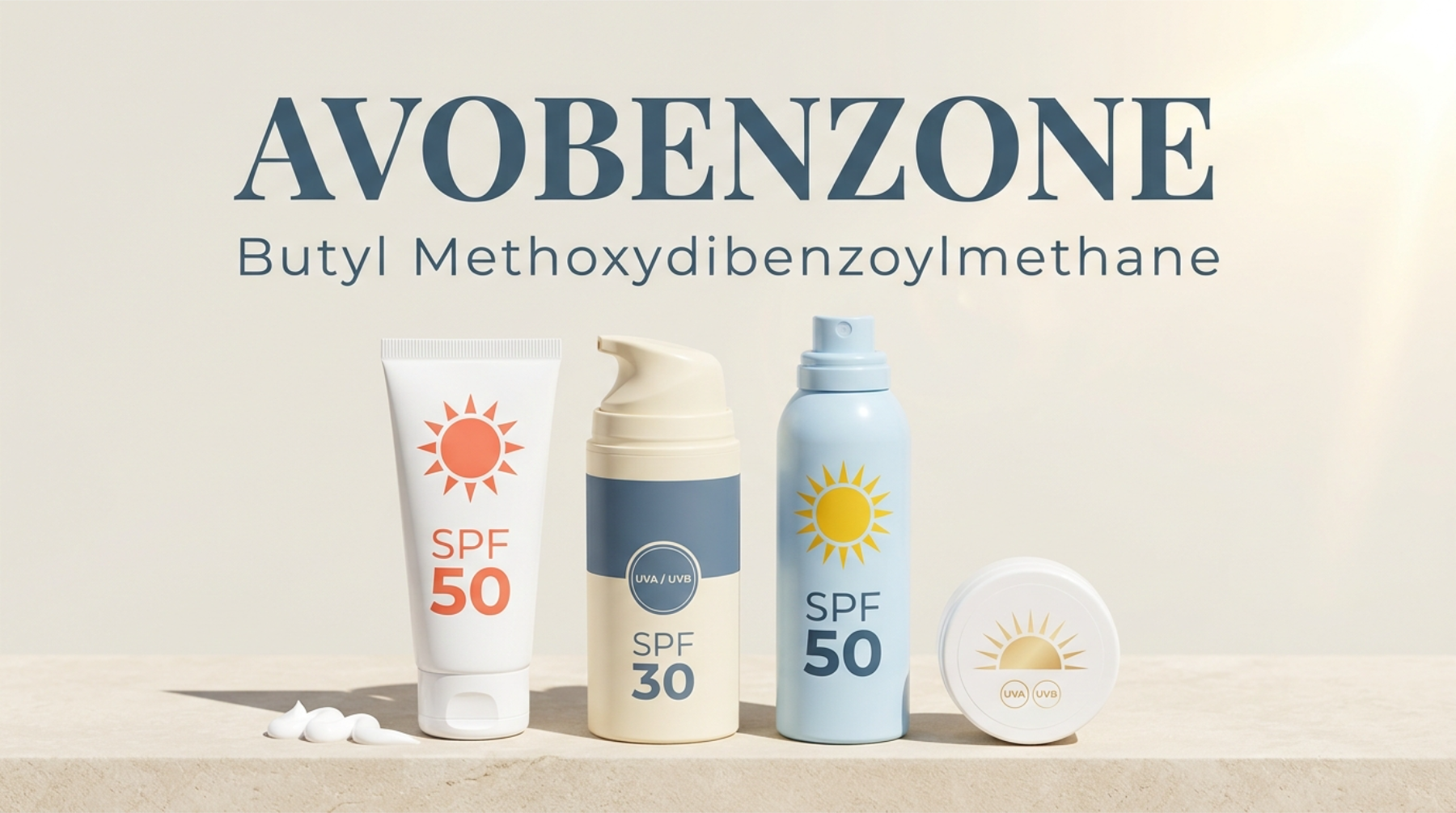
Avobenzone in sunscreen has one specialty: the longest UVA wavelengths, which pass through clouds and car windows and reach deep into the skin. Most other chemical filters, like homosalate and octisalate, mainly cover UVB, the burning rays. That's why avobenzone appears in so many broad-spectrum chemical formulas sold in America; without it, they'd struggle to earn the broad-spectrum label.
Is avobenzone chemical or mineral? Chemical. It's absorbed into the outer layers of skin, where it converts UV energy into a small amount of heat. In the FDA's ongoing sunscreen review, it's one of the filters the agency says needs more safety data before it can be called generally safe and effective, which isn't the same as being found unsafe.
Is Avobenzone the Same as Benzene?
The confusion is understandable. "Benz" shows up in the names of many chemicals built around a ring of carbon atoms, and "avobenzene" is one of the most common misspellings of the ingredient. But avobenzone doesn't turn into benzene and isn't made of it. Benzene made sunscreen news in 2021 because it was found as a contaminant in some aerosol sprays, which were recalled; it has nothing to do with avobenzone being in a formula.
Why Avobenzone Breaks Down in Sunlight
Avobenzone is excellent at absorbing UVA, but the energy it takes in can also change its own structure. Without help, it gradually loses its ability to protect the longer you're in the sun.
Formulators solve this by pairing avobenzone with stabilizers. A 2001 study in Photochemistry and Photobiology showed that adding a stabilizing filter kept avobenzone protecting for much longer under UV light. Separately, research on its pairing with octinoxate found the two weaken each other in sunlight, which is why careful brands keep them apart.
What it means for you: reapply every two hours outdoors no matter what's in your sunscreen, and don't keep a bottle in a hot car, where heat and light speed up the breakdown.
Is Avobenzone Safe?
For most people, avobenzone is considered safe to use, and it doesn't carry the hormone and reef concerns attached to oxybenzone. The open questions are about data gaps more than proven harm. Here's how the main reviewers see it.
Europe lists avobenzone among its approved UV filters in the EU Cosmetics Regulation at up to 5%, a higher ceiling than the US allows. On the consumer side, EWG rates avobenzone in its Skin Deep database, and that rating can shift as the group reviews new research.
How Much Avobenzone Gets Into Your Body?
Some does. In a 2020 government absorption study published in JAMA, avobenzone passed the 0.5 ng/mL level that triggers extra safety testing after a single day of use, like every filter tested. Its levels, though, were far lower than oxybenzone's.
Crossing that threshold doesn't mean avobenzone is harmful. It means more studies are needed before safety can be confirmed, which is why the review is still open.
Does Avobenzone Cause Cancer?
There's no evidence that avobenzone causes cancer in people. Manufacturers have been asked for long-term studies, including cancer studies, because those were never done to modern standards, not because a cancer signal turned up. Searches for "avobenzone carcinogen" often come from the benzene mix-up covered above. Wearing sunscreen every day lowers your skin cancer risk, and that benefit is well established.

Avobenzone Side Effects and Allergy
Avobenzone side effects are mostly minor and on the surface. These are the four worth knowing.
Avobenzone allergy is possible but less common than reactions to oxybenzone or fragrance. If a chemical sunscreen leaves you itchy or red, our sunscreen allergy guide walks you through how to find the trigger. If the problem is burning eyes, see why sunscreen stings your eyes.
Why does sunscreen stain clothes orange? When avobenzone left on your skin or towel meets iron in hard tap water, it forms a rust-colored stain. Cleaning expert Jolie Kerr recommends a rust stain remover or a vinegar-and-salt soak, and warns against chlorine bleach, which can set the stain. Letting sunscreen dry fully before you dress helps prevent it.
Avobenzone vs. Zinc Oxide
These are the two main ways US sunscreens protect against long UVA. Here's how they compare.
If you want the sheerest finish, an avobenzone formula usually wins. If you want the fewest open questions, zinc oxide does, and our zinc oxide guide covers it in depth.
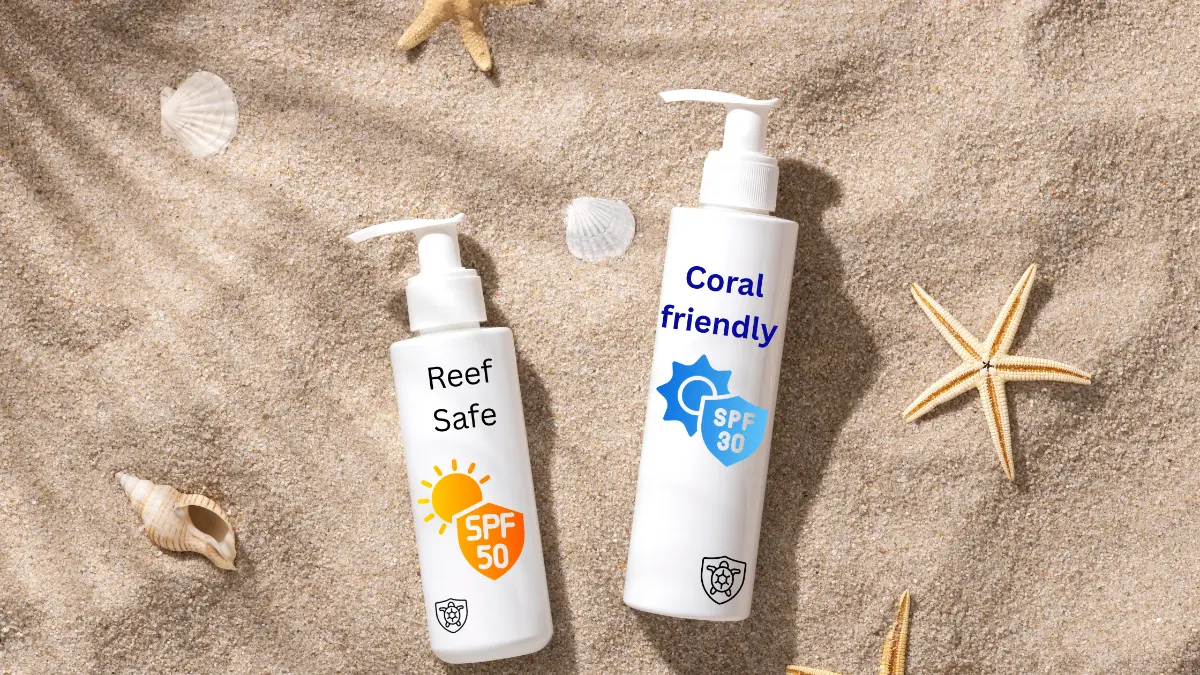
Heading to the beach or a reef? Avobenzone isn't on any reef ban list, but there's little research on how it affects coral. Reef-safe guides lean on non-nano zinc oxide instead, which is what our reef edit is built around.
How to Spot Avobenzone on a Sunscreen Label
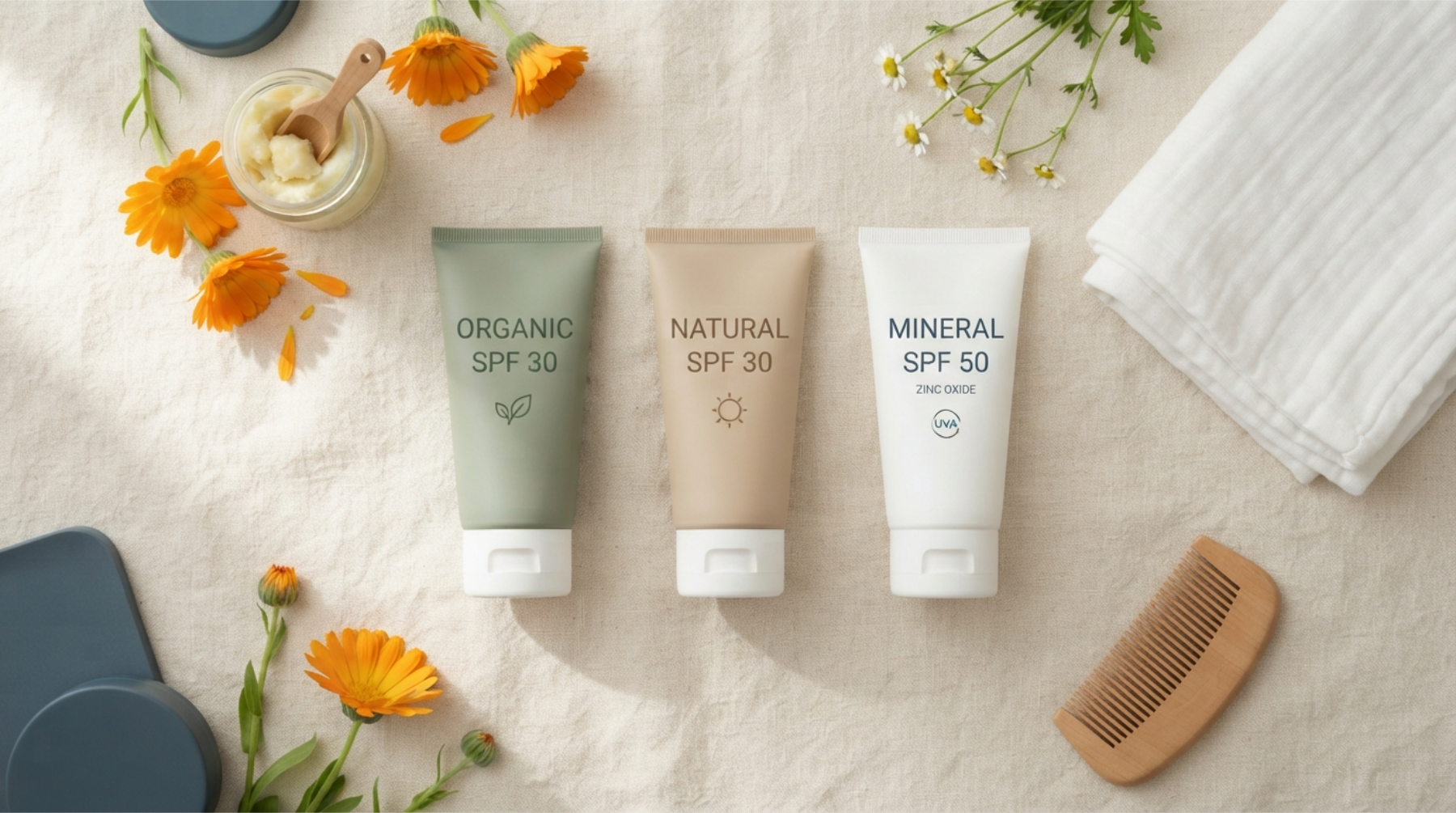
To skip avobenzone completely, pick a formula that relies solely on mineral actives, meaning zinc oxide, titanium dioxide, or a mix of the two. For a broader look at every filter, see our sunscreen ingredients chart.
Frequently Asked Questions About Avobenzone
Is avobenzone safe during pregnancy?
There's no evidence that avobenzone harms a pregnancy, and it doesn't share the hormone questions raised about oxybenzone. Because it's absorbed in small amounts and its safety review is still open, many dermatologists suggest mineral sunscreen during pregnancy simply to avoid open questions. Ask your OB-GYN if you want guidance on a specific product.
Is avobenzone safe for kids?
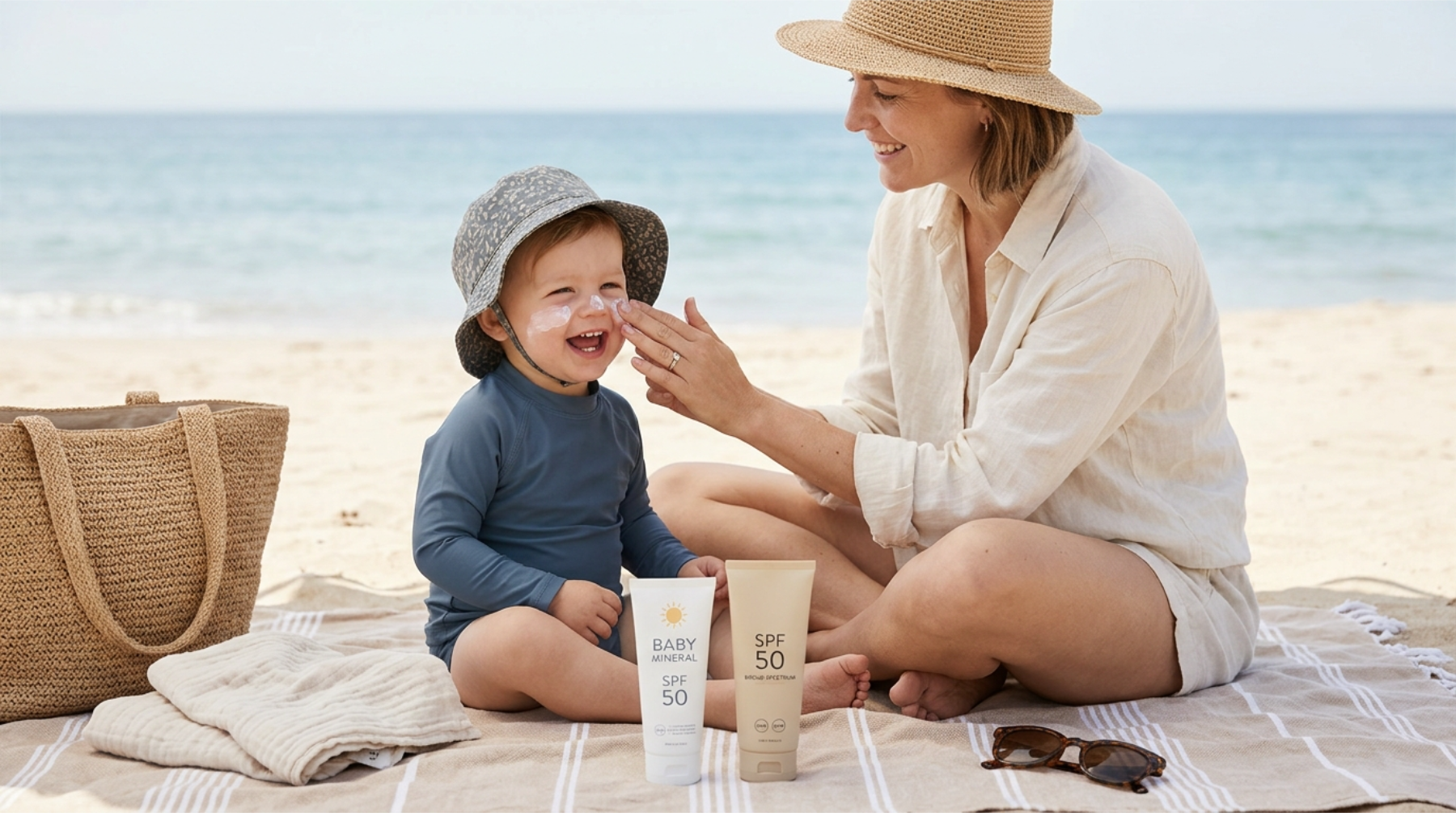
Avobenzone is allowed in kids' sunscreens and isn't known to harm children. Still, mineral formulas with zinc oxide are the usual first choice for children because they're gentler on skin and less likely to sting eyes.
Babies are a different story: if your little one is still under 6 months, read why pediatricians say to wait on sunscreen before buying any formula.
Is avobenzone reef safe?
Avobenzone isn't banned in Hawaii or other reef-protection zones, which target oxybenzone and octinoxate. Research on its effects on coral is limited, so reef-safe guides usually recommend mineral sunscreens with non-nano zinc oxide instead.
Is avobenzone banned anywhere?
No. Avobenzone is permitted in the United States at up to 3% and in the European Union at up to 5%. It isn't on Hawaii's reef ban or other regional sunscreen bans, which focus on oxybenzone and octinoxate. Its US safety review is still open, and it stays on the market while that continues.
Why does my sunscreen stain clothes yellow or orange?
The stain usually comes from avobenzone reacting with iron and other minerals in tap water. The result looks like a rust mark and often appears after washing, not when you first get sunscreen on the fabric. Treat it with a rust stain remover or a vinegar-and-salt soak, and avoid chlorine bleach, which can make it worse.
Is avobenzone a chemical or mineral sunscreen?
Avobenzone is a chemical sunscreen filter. It absorbs UVA rays inside the top layer of skin and releases the energy as heat, while mineral filters such as zinc oxide stay on top of the skin. A sunscreen that lists avobenzone among its active ingredients is a chemical or hybrid formula, never a pure mineral one.