Why Does Sunscreen Sting Your Eyes?
The eye's surface has no protective outer layer of skin, so ingredients that feel fine on your cheeks can burn the moment they touch it. Even the skin around the eye is a weak spot. As board-certified dermatologist Lauren Penzi, MD, told TODAY:
Most of the time, the sunscreen doesn't go straight in. It travels there. That's why it can feel fine at breakfast and start burning halfway through a run or a swim.
The watering that follows is your eye's reflex, an attempt to flush the irritant out on its own.
Which Sunscreen Ingredients Burn Your Eyes?
There isn't one ingredient that makes every sunscreen sting. A review in Practical Dermatology names chemical sunscreen filters and preservatives as "the likely agents" behind eye stinging, and notes that mineral formulas are generally less irritating. Here's how the usual suspects compare.
Why chemical filters get the blame. They work by absorbing UV inside a lotion that's designed to spread and sink in, so the same slip that makes them pleasant on the skin helps them travel once you start sweating. Our guide to every sunscreen ingredient shows where each filter stands with the FDA, and oxybenzone has its own deep dive.
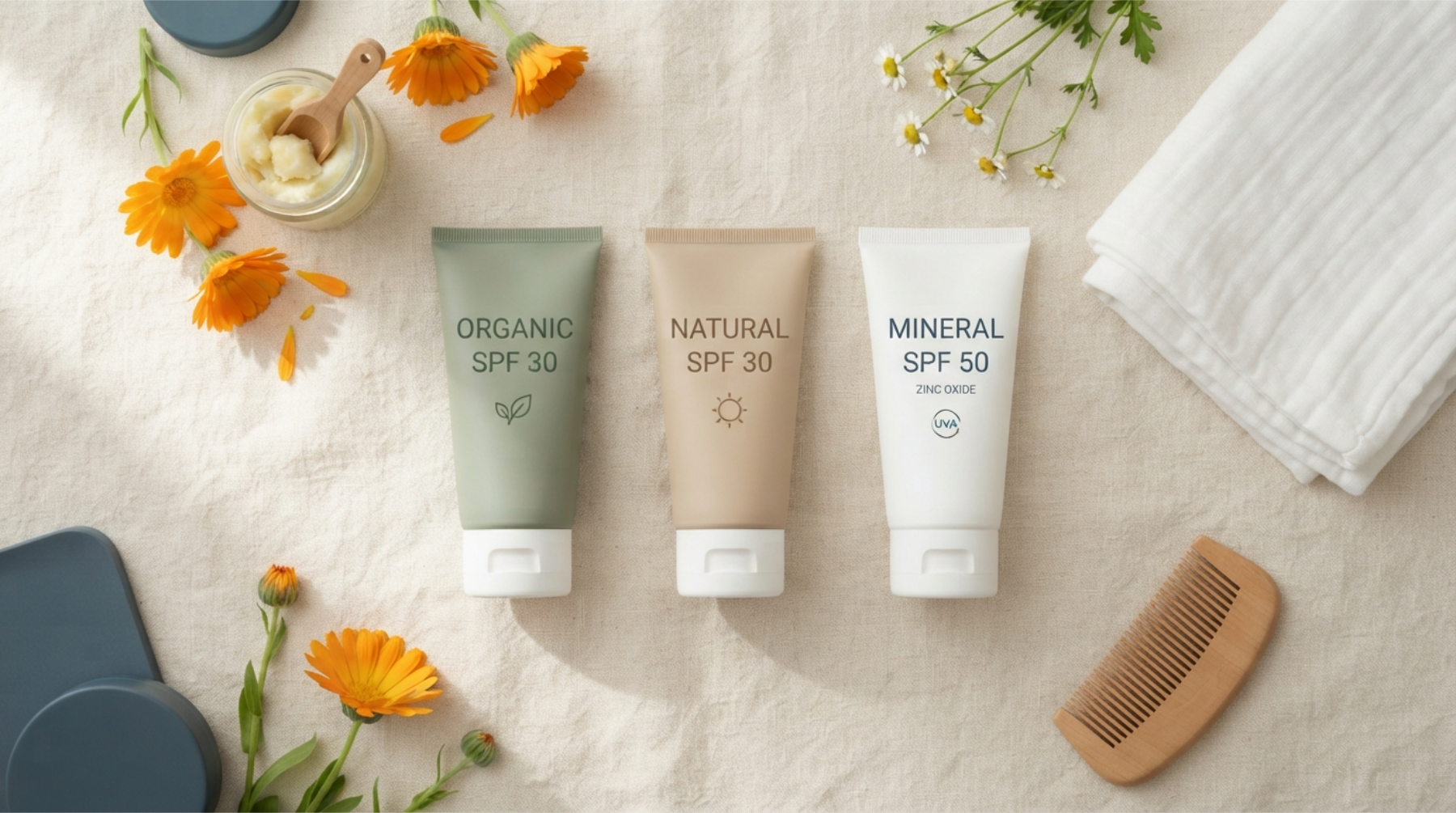
Does mineral sunscreen burn eyes? Much less often. Zinc oxide and titanium dioxide sit on top of the skin, and the American Academy of Dermatology recommends them for sensitive skin. Zinc oxide in your eyes can still feel scratchy and make them water, so rinse it out the same way.
Got Sunscreen in Your Eye? Here's What to Do
Poison Control's advice for sunscreen in the eyes is simple, and speed matters more than anything else:
Water-resistant formulas take longer to wash out. Poison Control notes that because many sunscreens are made to resist water, they're harder to rinse from the eye, so keep the water running longer if the sting lingers. Eye drops can feel soothing afterward, but they don't flush the eye the way a steady stream of water does, so rinse first.
Stinging or an Allergic Reaction? How to Tell
Most sunscreen eye trouble is simple irritation. A true allergy is less common and behaves differently, and it can show up as puffy, swollen eyelids even when nothing got in your eyes.
If the second column sounds familiar, stop using that sunscreen and see a dermatologist, who can test which ingredient you're reacting to.
How to Keep Sunscreen Out of Your Eyes
You don't have to skip the eye area to avoid the sting. The skin there needs protection: the eyelid region makes up about 1% of your body's surface, yet it accounts for 5 to 10% of nonmelanoma skin cancers. These habits make the difference.
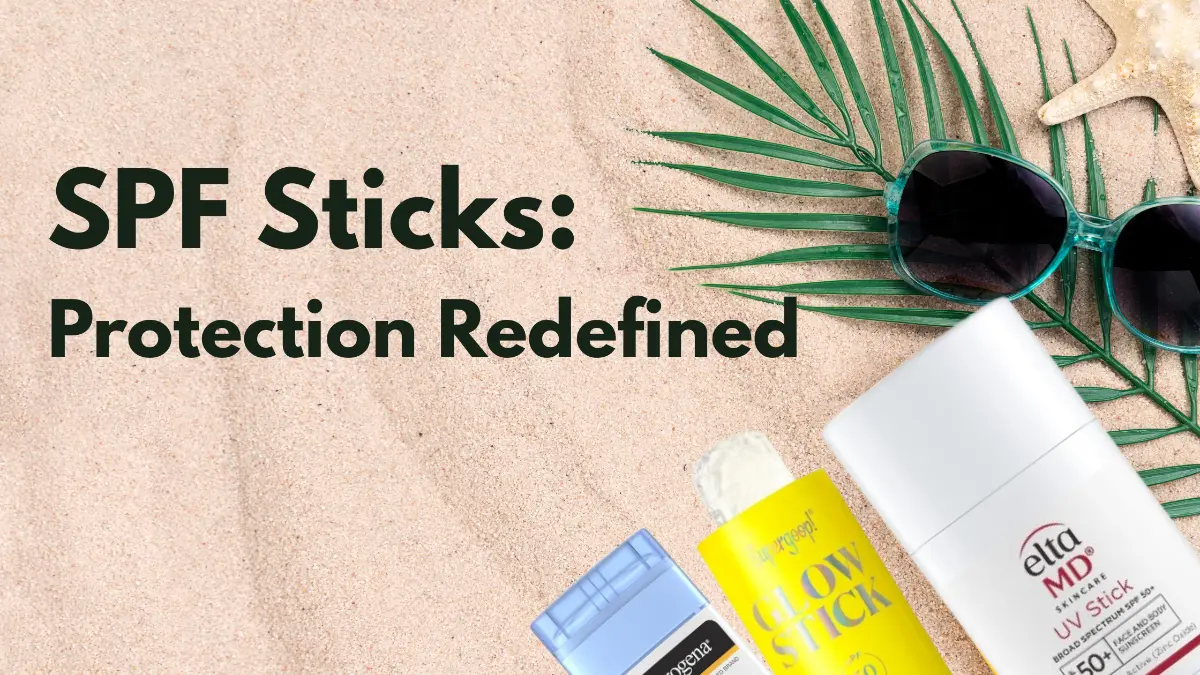

Water resistance is the most useful number on the label if you're asking for a sunscreen that won't burn your eyes when sweating. The FDA only lets a sunscreen claim it stays effective for 40 or 80 minutes in water or sweat, and our water-resistant sunscreen guide explains how to choose between them.
How to Choose a Sunscreen That Doesn't Sting Your Eyes
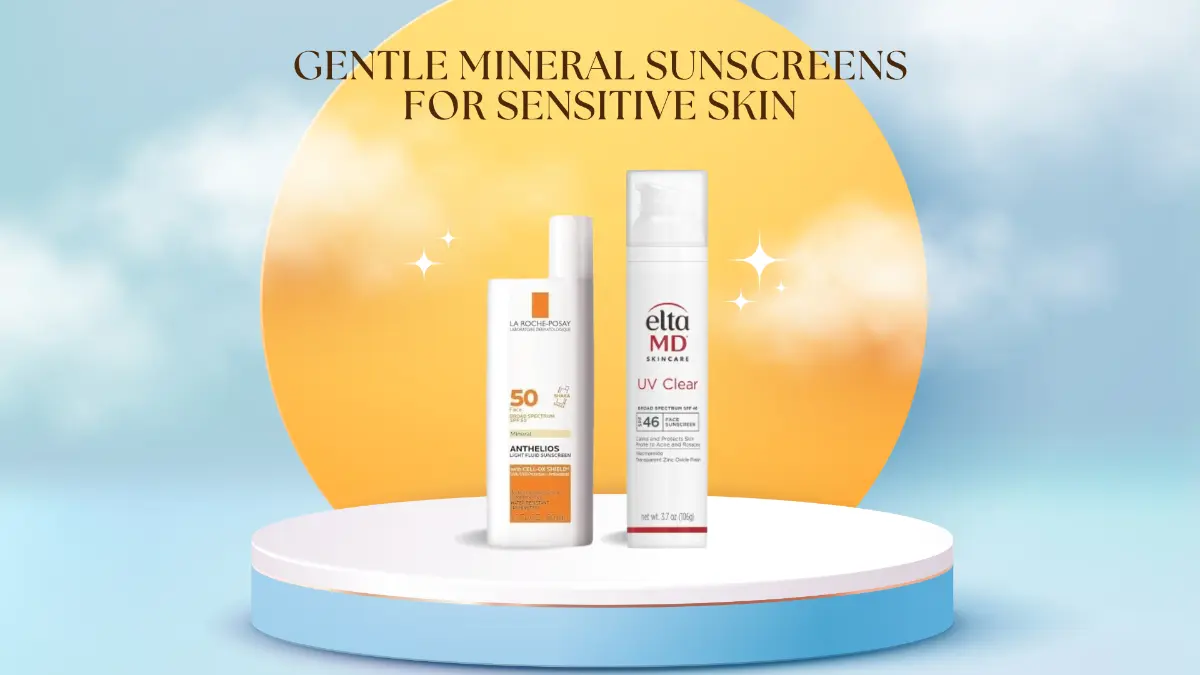
A sunscreen that doesn't sting eyes usually has three things in common: mineral filters, a short ingredient list and a texture that stays where you put it. Yale dermatologist Mona Gohara, MD, puts the first point simply:
A quick test before a big day outside: try a new formula on one cheek near the eye for a few days of normal wear. If it doesn't sting there, it's a safer bet for a beach day or a long run. These two edits are the best places to start shopping.
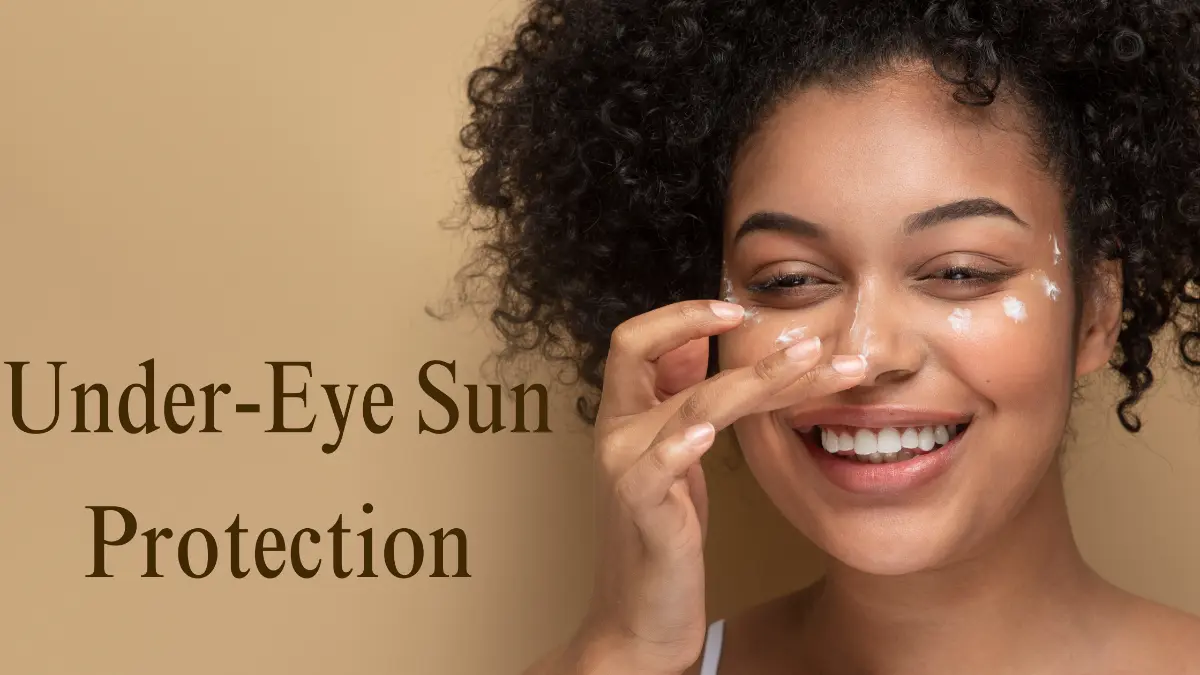

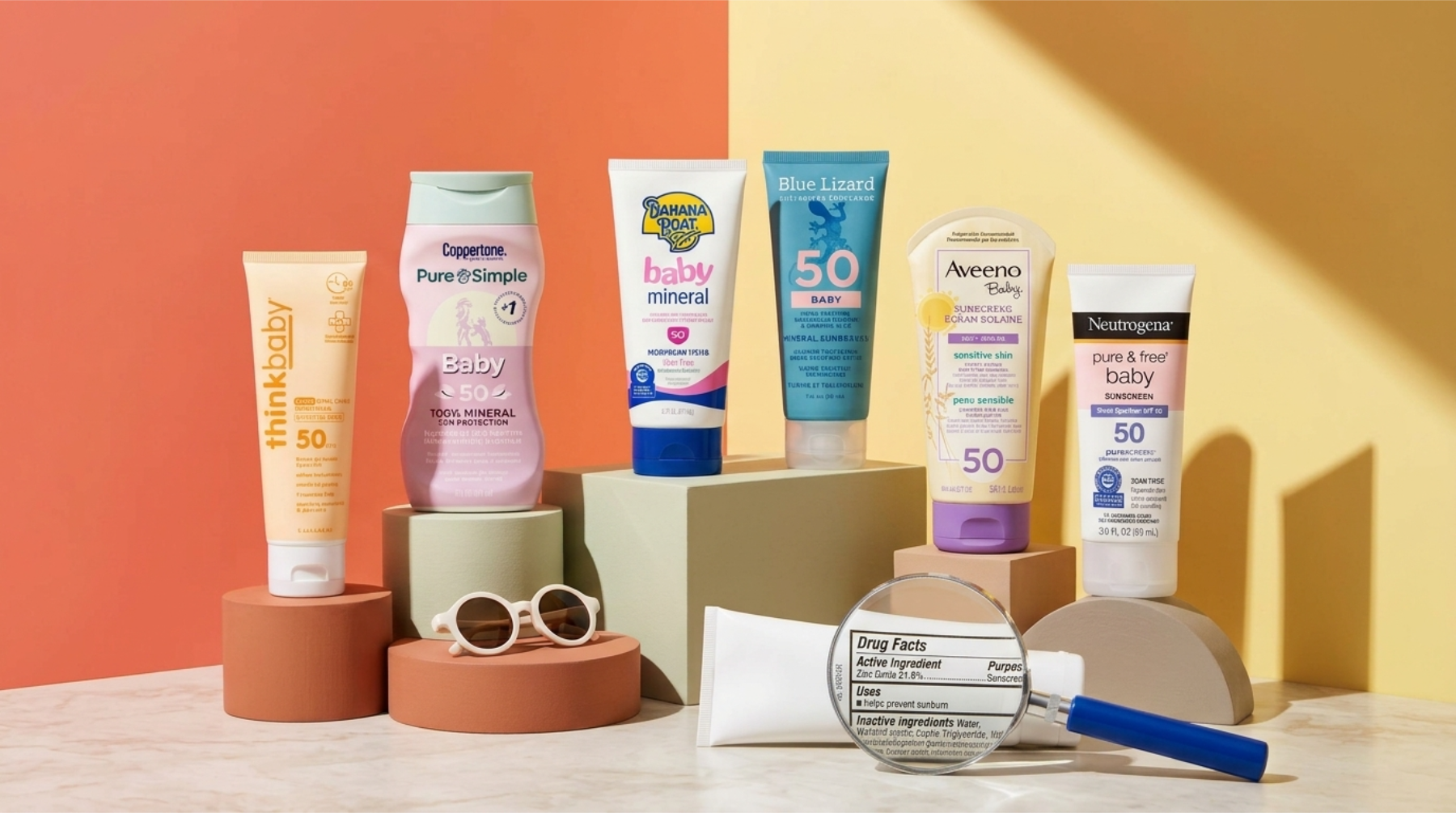
Tear-free on a baby or kids tube is a brand promise rather than a lab-checked claim, and our baby vs regular sunscreen guide shows which label words are actually regulated.
Frequently Asked Questions About Sunscreen in Your Eyes
Can you put sunscreen on your eyelids?
Yes. The Skin Cancer Foundation says most sunscreen is safe to use on and around the eyelids as long as it stays out of the eye itself. A mineral stick is the easiest option because it doesn't melt or run, and a thin layer is enough. The lids are worth covering, since the eyelid area accounts for 5 to 10% of nonmelanoma skin cancers.
Does mineral sunscreen burn your eyes?
Mineral sunscreen is much less likely to burn your eyes than chemical sunscreen. Zinc oxide and titanium dioxide are gentle on sensitive skin, which is why dermatologists recommend them for the eye area. If a lot gets into the eye, it can still feel gritty and make it water. Rinse it out with running water the same way you would any other sunscreen.
Can sunscreen in your eyes cause blindness?
No. Sunscreen in the eyes stings and can make them red and watery, but it isn't known to cause permanent damage or vision loss. Rinsing with running water for 15 to 20 minutes usually clears it. If your vision stays blurry or the pain doesn't ease after rinsing and resting, call Poison Control at 1-800-222-1222 or see an eye doctor.
How long does sunscreen in your eye burn?
Once you've rinsed thoroughly, the sting usually settles quickly, though your eye may look red and feel irritated for a little while. Poison Control suggests resting for 15 to 30 minutes after rinsing. If the burning hasn't improved by then, rinse again and contact Poison Control to check whether you need to see a doctor.
What do you do if sunscreen gets in a toddler's eyes?
Rinse your toddler's eyes with lukewarm running water for 15 to 20 minutes. Holding them in the shower or tipping water gently from a cup over the eye works well. Try to keep their hands away so they don't rub. If your child won't let you rinse, call Poison Control right away. A mineral stick on the face makes repeats less likely, and our mineral sunscreens for kids are a good place to look.
Why does sunscreen make my eyes water?
Watering is your eye's natural defense. When sunscreen touches the surface of the eye, it triggers a reflex that floods the eye with tears to wash the irritant away. That's why the sting usually comes with tearing, redness and an urge to blink. Rinsing with running water does the same job faster.
Can your eyeballs get sunburned?
Yes. Eyes can get sunburned, a condition called photokeratitis. It shows up 30 minutes to 12 hours after strong UV exposure, with pain, light sensitivity, tearing and a gritty feeling, and usually heals within 24 to 72 hours. Sunscreen can't protect the eyeball itself, so wear sunglasses with full UV protection. Our guide to spotting quality sunglasses shows what to check on the label.