Sunscreen Allergy Symptoms: What a Reaction Looks Like
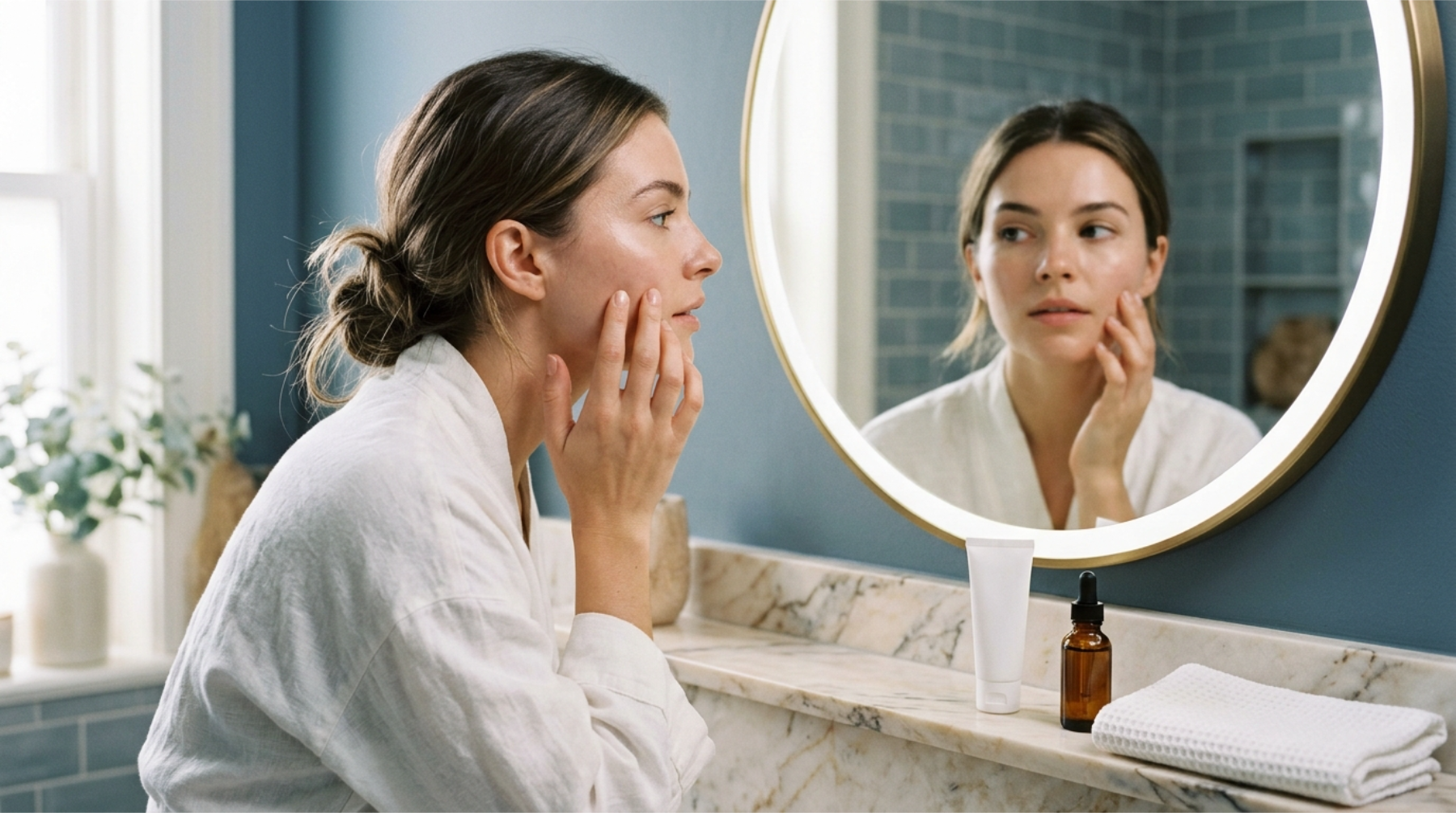
The most common sign of a sunscreen allergy is a rash right where the product went on. Cleveland Clinic family physician Amanda Valdes, MD, describes it as "redness in a pinpoint type of pattern." From there, symptoms vary from person to person.
Swollen eyelids are one of the most searched sunscreen allergy symptoms, and they often show up even if no product got near your eyes. If your eyes burned the moment sunscreen ran into them, that's more likely irritation. Our guide to sunscreen in your eyes covers that side.
How Soon Does a Sunscreen Reaction Appear?
Timing is one of the best clues to what's going on. According to Cleveland Clinic, reactions can begin within minutes of applying sunscreen or be delayed for up to a day.
Sunscreen Allergy, Irritation or Sun Allergy? How to Tell
Doctors group reactions to sunscreen under contact dermatitis, a rash caused by something that touched your skin. The Mayo Clinic notes that the irritant kind is the most common type, while the allergic kind happens when your immune system reacts to an ingredient. A sun allergy is different again, since the sun itself is the trigger.
You can also have irritation and an allergy at the same time, which is why a dermatologist's patch test is the only way to be sure.
Why Does Sunscreen Burn Your Face?
A face that burns or stings right after sunscreen is usually reacting to irritation, not an allergy. The skin on the face is thinner than on the body, and anything that weakens its protective barrier makes ingredients feel harsher.
My face burns when I put anything on it. If every product stings, including your moisturizer, the problem is likely a damaged skin barrier rather than your sunscreen. Pause retinoids and acids, keep your routine to a gentle cleanser and a plain moisturizer for a week or two, and see a dermatologist if the burning doesn't settle.
Is sunscreen supposed to burn? No. A faint tingle that fades in seconds can happen on dry skin, but burning that lasts or comes with redness means that formula isn't right for you.
Is It a Chemical Burn From Sunscreen?
Usually not. The phrase "chemical burn" gets used for any painful red reaction, but what most people experience is irritant contact dermatitis, the same irritation described above, just stronger. A true chemical burn, with blistering or broken skin, is rare and needs a doctor's care.
Redness after a day outside can also be a sunburn through sunscreen that was applied too thinly or not reapplied. Check where the redness is: a reaction follows the shape of where you applied the product, while a sunburn follows where the sun hit.
Which Sunscreen Ingredients Cause Allergic Reactions?
The best data comes from the North American Contact Dermatitis Group, which reviewed patch tests from 23,908 patients with suspected skin allergies between 2001 and 2010.
The full picture includes ingredients you might not expect. Cleveland Clinic names fragrance as the most common allergen overall, and vitamin E, often added as an antioxidant, ranked second in the patch test data. Here's how the main culprits compare.
Benzophenones earned the American Contact Dermatitis Society's 2014 Contact Allergen of the Year title, and a review in Contact Dermatitis documents octocrylene as a growing cause of reactions. For every active filter and where it stands with the FDA, see our sunscreen ingredients chart.
Can You Be Allergic to Zinc Oxide?
It's possible but very uncommon. Mineral filters stay on the skin's surface, and Cleveland Clinic notes that mineral products are "less apt to cause skin irritation," which is why dermatologists suggest them for sensitive skin. Our chemical vs. mineral sunscreen guide explains how the two types work.
When a mineral sunscreen does cause a rash, look at the rest of the label first. Fragrance, botanical extracts, vitamin E and preservatives are much more likely culprits than the zinc itself. Small, non-itchy bumps after a thick mineral formula are often clogged pores rather than an allergy.
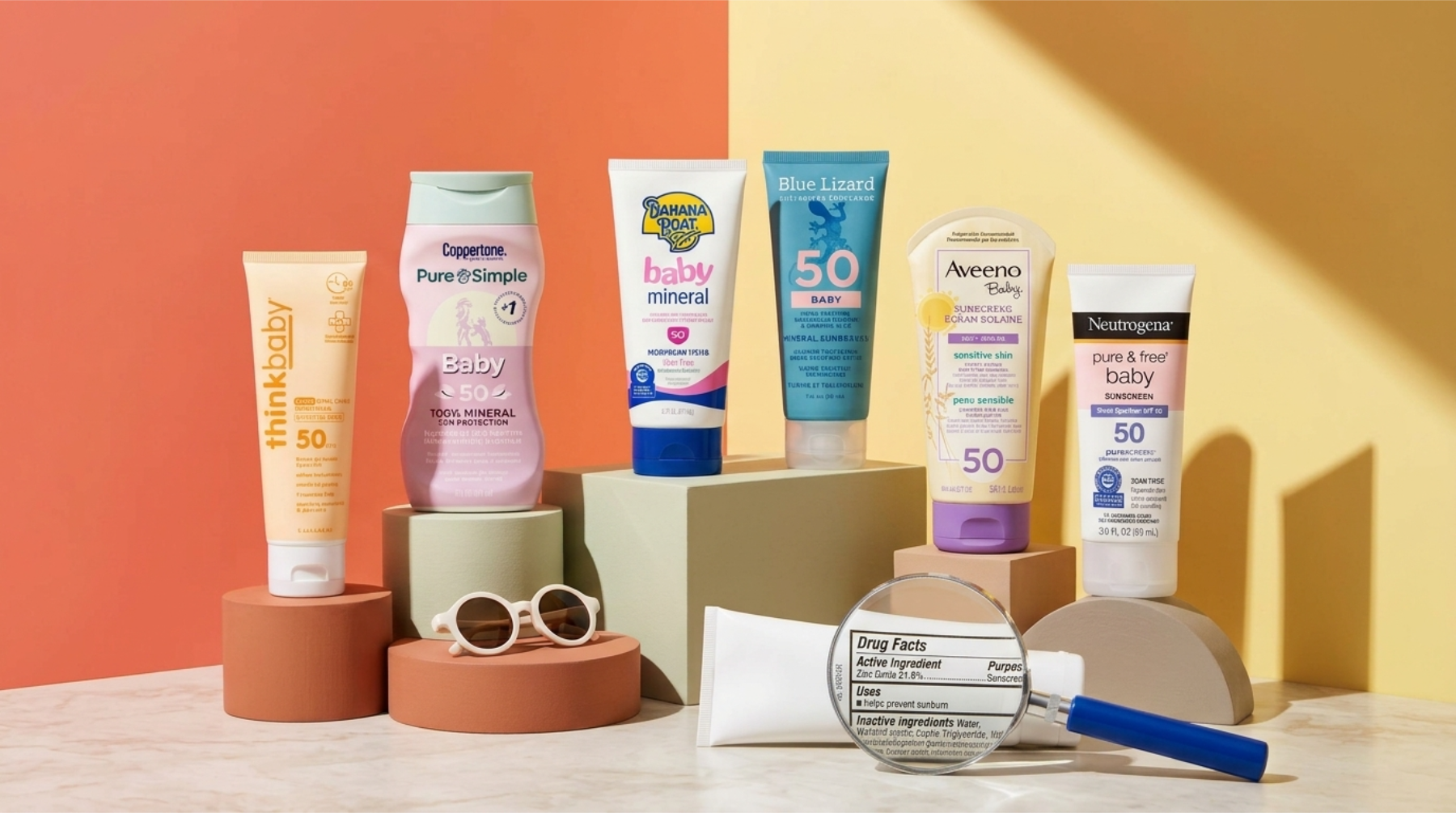
Plenty of adults with reactive skin end up borrowing their child's mineral lotion, and our guide on whether adults can use baby sunscreen covers when that swap makes sense.
Can Expired or Spray Sunscreen Cause a Rash?
Expired sunscreen
The bigger risk with old sunscreen is weaker protection, which can leave you sunburned and looking for a different reason your skin is red. The FDA says a sunscreen with no expiration date should be treated as expired three years after purchase. Houston Methodist adds that changes in color, smell or consistency are signs a formula has broken down early, often after time in a hot car. If yours has separated or smells off, toss it rather than testing it on your skin.
Spray sunscreen
Sprays often contain more alcohol than lotions, which can sting dry or sensitive skin, and the mist spreads ingredients over more of your face and neck. The FDA says spray sunscreens should never be applied directly to your face. Spray into your hands and pat it on instead, and switch to a lotion or stick for your face if sprays leave you itchy.

Sunscreen Allergy Treatment: How to Calm a Reaction
Most mild sunscreen rashes calm down with simple home care once the trigger is gone. These steps follow guidance from the American Academy of Dermatology and Cleveland Clinic.
How long does a sunscreen rash last? Irritation usually fades within a day or two. An allergic rash takes longer: the Mayo Clinic says contact dermatitis often clears in 2 to 4 weeks once you avoid the cause. Don't scratch, since the AAD warns that scratching worsens the rash and can lead to infection.
How to Patch Test a New Sunscreen
If you've reacted before, test any new sunscreen on a small patch of skin before it goes on your face. The American Academy of Dermatology recommends this method for new skin care products:
Because some reactions only start in sunlight, a formula that passes on your inner arm can still cause trouble on your face at the beach. Try it on a small area of your face for a short time outdoors before a full day in the sun.
Testing at a Dermatologist's Office
For repeated reactions, a dermatologist can run a patch test. Small amounts of common allergens are taped to your back for 48 hours, then checked again 4 to 7 days later. For reactions that only happen in the sun, photopatch testing adds UV light to find ingredients that become allergens in sunlight. Ask for a sunscreen series: in the patch test study above, the standard panel missed more than 60% of sunscreen allergies.
What Sunscreen to Use If You're Allergic to Sunscreen
Being allergic to one sunscreen almost never means you have to give up SPF. The goal is to find the ingredient you react to and choose formulas without it.
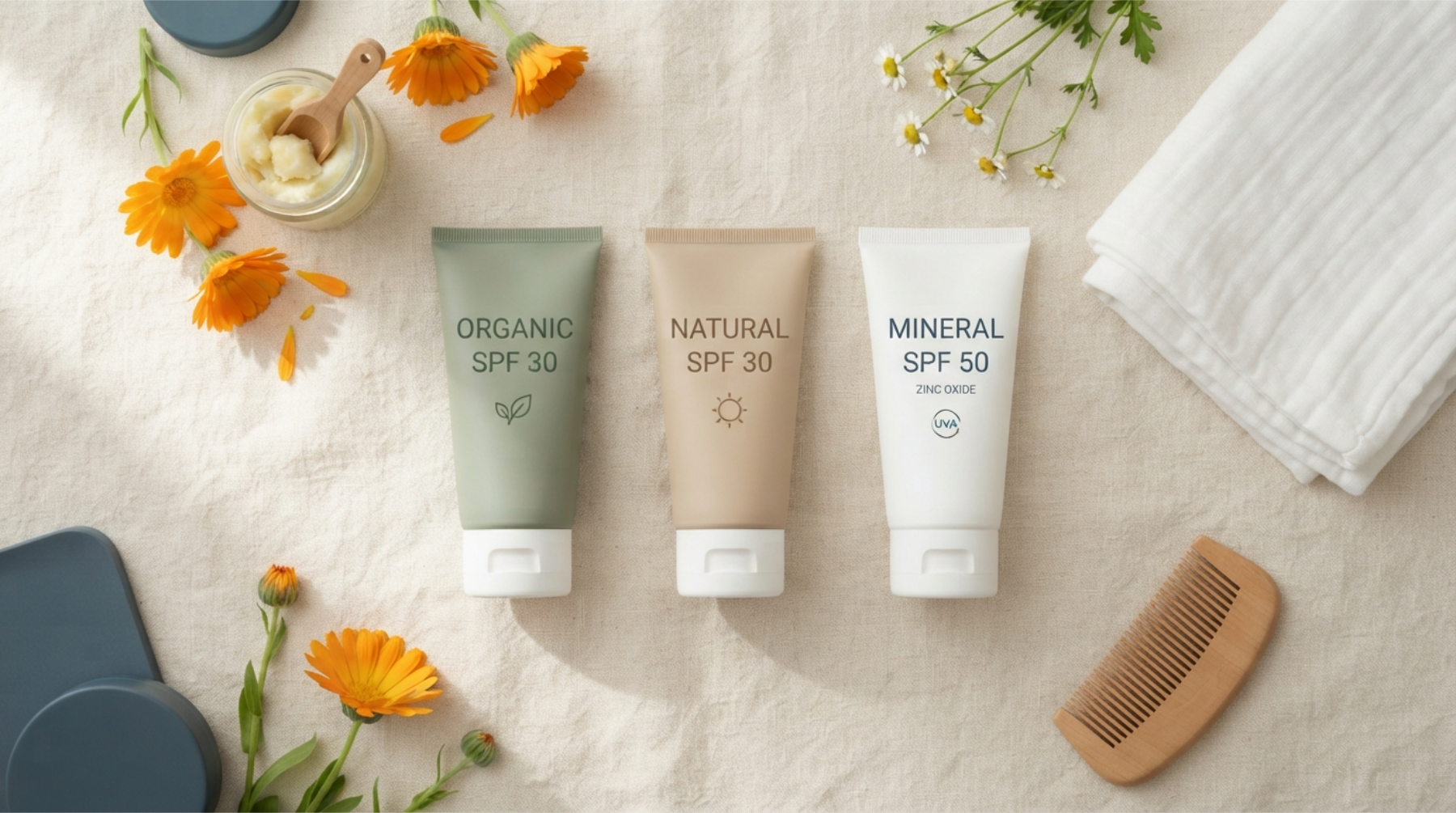
Don't rely on "hypoallergenic" alone. The FDA notes there's no federal standard for the term, so it can mean whatever a brand wants it to mean. The ingredient list tells you more. The same caution applies to natural and organic formulas, which often contain more botanical extracts and essential oils, not fewer. If you're shopping for a child, see why a natural label doesn't always mean gentle.


Frequently Asked Questions About Sunscreen Allergy
Can you suddenly become allergic to sunscreen?
Yes. An allergy develops after your immune system becomes sensitized to an ingredient, which can take months or years of use. That's why a sunscreen you've worn for several summers can start causing a rash one day. Reformulated products can also add a new trigger without changing the name on the bottle, so check the label whenever an old favorite suddenly causes a reaction.
How long does a sunscreen allergy rash last?
Mild irritation usually fades within a day or two after you wash the sunscreen off. An allergic rash takes longer and often clears in 2 to 4 weeks once you stop using the product, according to the Mayo Clinic. Cool compresses and 1% hydrocortisone cream can ease the itch while it heals. See a doctor if it blisters, spreads, or isn't improving after a week.
Is it a sunburn or an allergic reaction to sunscreen?
Look at the pattern. A sunburn covers the skin the sun hit and feels hot and tender a few hours later. An allergic reaction follows where you applied the sunscreen, itches more than it hurts, and often shows up as small bumps or a pinpoint rash. If the rash appears only on sun-exposed skin where you used sunscreen, it may be a photoallergy, which a dermatologist can test for.
Why does sunscreen make me itchy?
Itching after sunscreen usually means irritation or an allergic reaction to an ingredient, most often fragrance or a chemical filter such as oxybenzone. Itch that starts hours later and comes with a rash points to an allergy. Wash the product off, apply a cool compress, and try a fragrance-free mineral formula on a small test patch before using it again.
Can babies and kids be allergic to sunscreen?
Yes, children can react to sunscreen just like adults, and their skin is often more sensitive. The American Academy of Dermatology says zinc oxide and titanium dioxide may cause less irritation for young children, so mineral formulas are the usual first choice. Patch test a new sunscreen on your child's inner arm first, and see a pediatrician if a rash spreads, blisters or comes with swelling.
Wondering what to do before that 6-month mark? Our month-by-month guide to sun protection for babies under 6 months shows exactly how to keep your newborn covered without sunscreen.
Does hypoallergenic sunscreen prevent allergic reactions?
Not always. There's no federal standard for the word hypoallergenic, so the FDA says brands can use it without proving their product causes fewer reactions. A hypoallergenic sunscreen can still contain fragrance or an ingredient you react to. Reading the ingredient list is a better guide than the claim on the front of the bottle.
Can a sunscreen allergy be serious?
Most sunscreen reactions stay on the skin and clear up with home care. Rarely, an allergy can cause anaphylaxis, a severe reaction that affects the whole body. Call 911 if you have trouble breathing, a tight throat or swelling of the lips or tongue. Widespread hives, blistering or swelling around the eyes also deserve a doctor's visit the same day.